
Kobuk Valley offers an extraordinary remote river experience with vast sand dunes and Iñupiat cultural history. Aircraft access, cold water and wildlife require serious preparation.
A northern river unlike the familiar holiday paddle
The Kobuk River crosses a broad sweep of northwest Alaska, passing through landscapes where sand dunes, forest, tundra and mountain views appear along the same waterway. It is an inviting vision for experienced canoeists who value wilderness travel. It is also an extraordinarily remote route where the absence of services is a central fact, not a minor inconvenience. Visitors must bring the capabilities and equipment that their itinerary demands.
The National Park Service describes the Kobuk as a river approximately 380 miles long, with roughly sixty-one miles flowing through Kobuk Valley National Park. That scale matters because a journey confined to the park is still substantial, while the full river connects places far beyond the protected boundary. Selecting an entry, exit and daily mileage requires much more information than the park's name on a map.
Aircraft logistics come before boat selection
The usual access is by air taxi, arranged from locations such as Bettles or Kotzebue. Boats, passengers and all necessary supplies must be accommodated in the aircraft used, and a proposed craft may be too long or cumbersome to carry. The National Park Service suggests that folding or inflatable canoes and kayaks can be appropriate for the generally slower water, although the final choice must reflect the actual route and crew.
The plan should begin with a conversation about transport limits, landing locations, weather delays and how the boats will be collected after the float. There is no promise of shops, accommodation or repair services once the party leaves its departure point. A realistic itinerary includes emergency food, means of communication, navigation tools and spare days for aircraft delays, as well as a way to retrieve everyone if an intended exit cannot be used.
The dunes are an extraordinary side journey
One of Kobuk Valley's defining sights is its great sand-dune landscape, an unexpected expanse shaped by materials left by ancient glacial activity. The park says the dunes can be reached from the river by a hike of roughly two to three miles across tundra. This is not a signed recreational trail with facilities, and walking speed may be far slower than the distance first suggests.
The decision to leave boats for a hike should be based on water level, daylight and a secure landing. A crew must be certain it can return to its craft and maintain its planned progress or camp safely. Carry adequate layers, water and a reliable navigation method, and respect the surrounding vegetation. A striking desert-like view in the Arctic should not disguise the remoteness of the undertaking.
Onion Portage is a place of living history
The river passes near Onion Portage, known in Iñupiat as Paatitaaq, a culturally important place associated with caribou migration and the long relationship between local communities and the river. The National Park Service describes Iñupiat presence along the Kobuk extending back thousands of years, with the waterway central to travel, fishing, hunting and exchange. Its cultural meaning deserves as much respect as its scenery.
Visitors should recognise that the park is not an empty wilderness simply because settlement is sparse. Local residents use the river and surrounding land for subsistence activities, and private parcels exist within the wider landscape. Leave people space to work and travel, avoid approaching sites or structures without permission and understand land ownership before establishing a camp. The appropriate visitor is an observant guest rather than a claimant to an untouched place.
Conditions and navigation can change downstream
The Kobuk's apparently gentle reaches do not remove the danger of shallow bars, changing channels, fallen trees and locally faster water. The park highlights tricky sections near Ambler and Onion Portage, among other potential hazards. River flow changes with rain and seasonal melting, and lower water can reveal obstructions or remove what appeared to be a dependable channel on an older route description.
Cold water is a year-round concern, while the weather can deteriorate quickly. Dress for immersion rather than the temperature on shore, keep emergency layers dry and make sure the group can assist after an accidental swim. A boat that is stable in calm water may be difficult to control when loaded with expedition gear, especially in wind or current. Practice those skills before a fly-in trip.
Camp lightly and manage wildlife carefully
Gravel and sandbars may provide places to camp, but the site must be chosen with an understanding of river levels and land access. The National Park Service notes that independent travellers do not generally need a permit, while organised recreational groups must obtain one from the Chief Ranger. Current requirements should be confirmed before setting off, especially if the trip is being arranged for others or involves commercial services.
Kobuk Valley is home to both brown and black bears, along with animals such as caribou and moose. Food storage and distance from wildlife are essential elements of the campsite routine. The park points to animal-resistant food containers and offers local guidance on borrowing appropriate equipment. Carry waste out, avoid disturbing fish or hunting activity and leave the riverbank ready for the next traveller.
Make the distance part of the attraction
An Arctic float should never be run as a race against an optimistic schedule. The river rewards patient observation: changing light on distant hills, birds at the water's edge and the slow appearance of dunes where the landscape seems to change its character entirely. With a suitable craft and enough time, the experience can be extraordinary precisely because there are few artificial distractions.
That same freedom depends on self-reliance. Confirm the latest National Park Service advice, organise reliable air transport, check land status, build in reserve days and tell a responsible contact exactly where the group intends to travel. A carefully conceived Kobuk expedition is not about escaping every responsibility. It is about accepting them in advance so the paddlers can enjoy the river with proper respect.
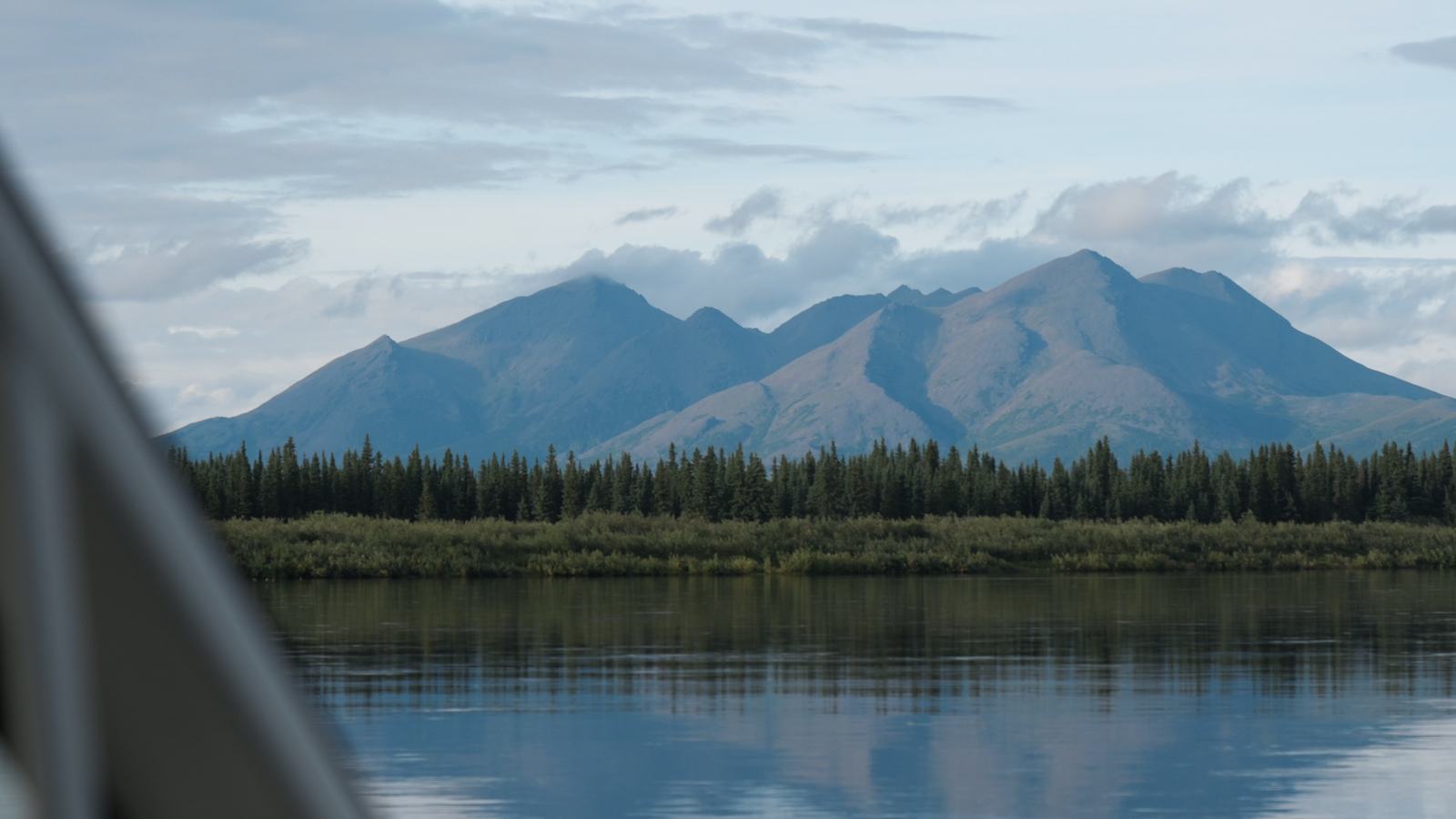
For changing conditions and access rules, consult the official National Park Service Kobuk Valley boating and floating guide. Hero photograph credited to National Park Service / Rachel Heckerman, Jade Mountains reflected on the Kobuk River.