
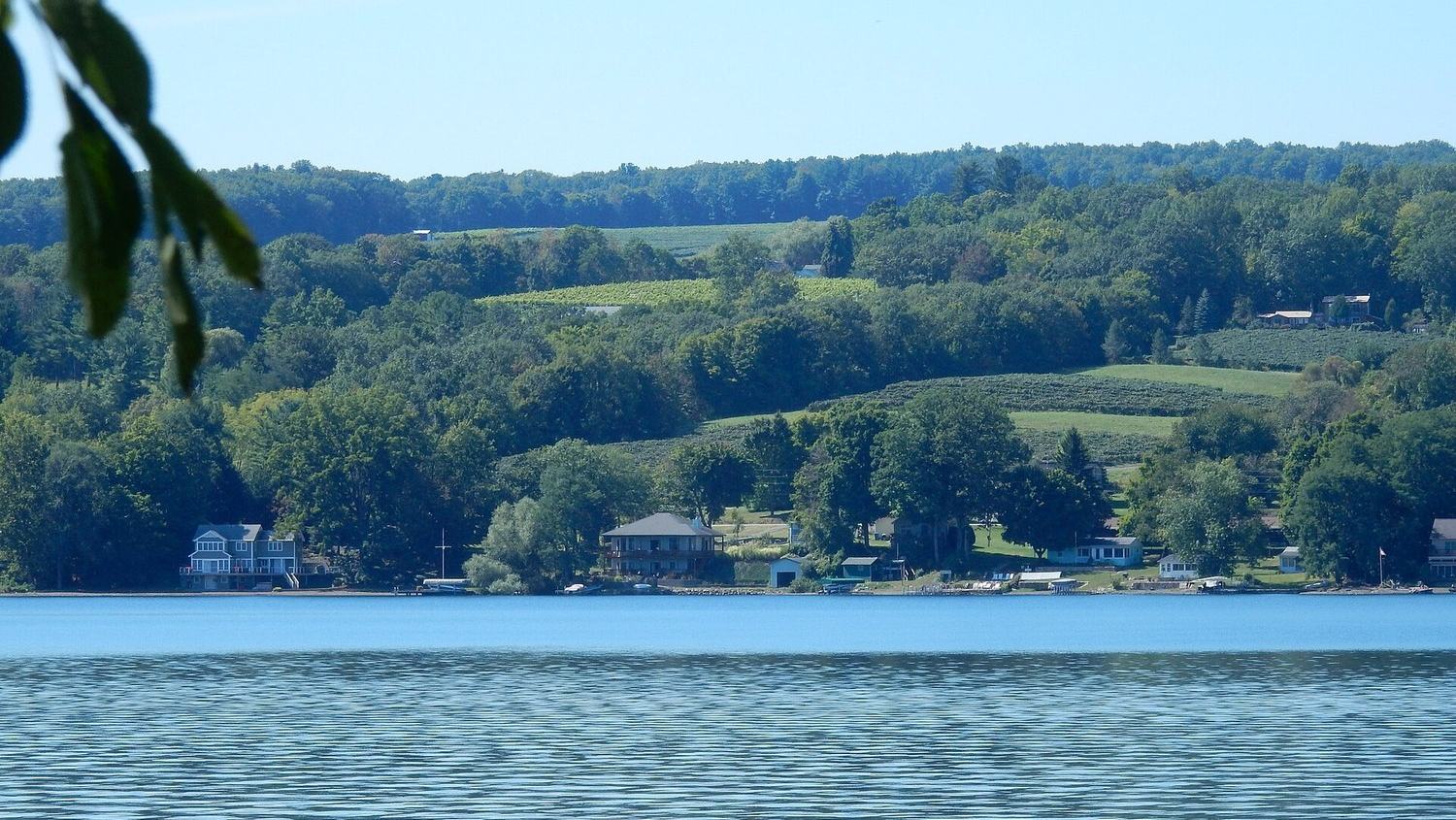
Keuka Lake offers leisurely small-boat exploring, with a state-park ramp near Bluff Point, seasonal marina rules and a Y-shaped landscape worth taking slowly.
The Y-shaped Finger Lake with a slower pace
Keuka Lake in New York's Finger Lakes region has a distinctive Y-shaped outline and a shoreline of small communities, wooded slopes and vineyards. It is well suited to the kind of leisure boating where the day is measured by changing views and comfortable stops rather than speed. A compact runabout, small sailing boat or paddle craft can each offer a rewarding perspective, provided the skipper matches the day's route to the craft, forecast and legal access arrangements.
The lake's shape deserves attention during planning. What looks like a short distance on a regional map can involve choosing an arm of the lake, deciding where to start and accepting that the return to the original ramp may take longer than expected. A first-time visitor should resist the urge to cover every branch. A single shore-to-shore excursion with time for lunch can be a more satisfying introduction than a long circuit without a useful margin.
Begin at Keuka Lake State Park
New York State Parks identifies Keuka Lake State Park near Bluff Point as a public destination with a boat-launch ramp, docking space and hiking trails. The address published by the agency is 3560 Pepper Road, Bluff Point. That makes the park a helpful starting point for a holiday itinerary, but a website listing of facilities is not a live guarantee that every slip or section of ramp is available. Check the agency's latest notices and contact the park if your boat has particular launch needs.
Give the park its own place in the schedule. Before backing towards the water, prepare lines, fenders, the drain plug and safety equipment in a designated rigging area. Keep the slipway clear for other users and choose a crew member to handle the bow line. After launching, move away from the ramp before reorganising tackle or food. A calm departure makes the entire day easier, especially when several families are waiting with trailers.
Seasonal facilities need advance checking
The park's 2026 visitor information lists a marina collection season running from 15 May to 12 October and a camping season from 16 May to 12 October. Those dates describe the park's published season, not an assurance of open services every day. The grounds are listed as open year-round from dawn to dusk, but access, staff presence, fees and conditions can differ outside the main season. A November visitor should be especially careful about assuming summer facilities still operate.
Boat owners planning to camp should also note the park's explicit rule that boats and trailers are not allowed on the campsite. The agency directs boat and trailer storage towards its main parking area or a rented marina slip, subject to current arrangements. That detail matters when packing for a weekend with a small craft: a site close to the lake is not necessarily a place to leave a trailer beside the tent. Confirm parking and slip arrangements in advance.
Make the Y-shape work in your favour
The two northern arms of Keuka create alternative scenery and different choices for a half-day trip. Instead of promising a fixed loop, select one arm according to your launch position and the day's weather. Note the distance to a safe return and where you can legitimately stop. A route that stays comfortably within the boat's fuel range or a paddler's energy level leaves more freedom to explore a shoreline when conditions are favourable.
Wind may be funnelled along the open water, and the same route can feel different on an outbound and return leg. Examine the forecast at the beginning, middle and end of the intended outing, then check the water itself before departure. If you are new to the area, ask a local marina or park employee about hazards or areas needing caution without assuming that casual advice replaces an up-to-date chart. Travel slowly when approaching an unfamiliar shore.
A small runabout for the family
A trailerable open boat can give a family comfortable freedom on Keuka, but the most practical craft is not necessarily the fastest. Choose seating, a usable boarding arrangement and a windshield or suitable clothing for the conditions. Limit the passenger load to the boat's rating and store bags where they cannot slide across the deck. A short, smooth outing at a sensible speed is more likely to be remembered fondly by children than a noisy crossing through choppy water.
Prepare the day's fuel and equipment before reaching the ramp, and allow a genuine reserve for the return rather than planning to run near empty. Brief passengers on safe places to sit, keep hands inside at docks and avoid shifting weight suddenly during manoeuvres. If the family wants to swim or fish, verify the applicable local rules and suitability of the exact location first. None of those activities should be assumed possible at every cove.
Why rowing and paddling are appealing alternatives
For visitors who prefer less noise, a canoe, kayak or rowing boat can turn a modest stretch of Keuka shoreline into a complete outing. Paddling helps the crew notice reflections, small inlets and the texture of the hills that a fast boat may pass without attention. It also creates an immediate link between weather and effort: a route that takes little time with the wind behind may require a much longer, more tiring return.
A paddling party should choose a sheltered plan, wear appropriate flotation and have a practiced way to recover from a capsize. Dress for the lake temperature, not just the air. Carry a waterproof route map and dry clothing, and tell someone ashore when you expect to be back. A smaller craft often has fewer places to store equipment, so organise the essentials by how urgently they might be needed rather than how neatly they fit.
Ashore: vineyards, villages and viewpoints
The Finger Lakes' agricultural landscape is part of Keuka's identity, and the wooded hills make a pleasant contrast to the open water. A boating holiday can include a shore-based visit to a local village, a walking trail or a vineyard where appropriate. However, a picturesque shore is not automatically a public landing. Check whether a dock welcomes transient boats, whether a fee applies and how long a small craft may remain before arranging a stop.
Keuka Lake State Park itself offers hiking and picnic opportunities according to New York State Parks. That provides a useful alternative when high winds make boating unsuitable or younger passengers want a break. A plan with two modest components—a morning afloat and an afternoon on land—works well for visitors with different interests. It also avoids the pressure to launch in conditions that were forecast as only marginally acceptable.
Angling without turning the trip into a competition
Fishing is among the facilities associated with the state park, and an angler might find a small boat a comfortable platform for a quiet session. Check New York's current licence requirements, species seasons, permitted methods and any special lake rules before casting. Do not use an old list of popular catches as a substitute for regulations. If a child is learning to fish, choose simple tackle and enough room to keep hooks away from other passengers.
Keep discarded monofilament and packaging out of the lake. A small rubbish container is useful because line scraps can be hard to notice on the floor of a boat. Watch other users, keep clear of swimmers and paddlers, and minimise wake near docks. If the fishing is slow, remember that a scenic lake is still a successful destination; nobody needs to produce a catch to justify the outing.
The return matters as much as the departure
Many small-boat problems occur when an apparently easy day runs beyond its intended limits. Before leaving Keuka's ramp, choose a realistic turnaround time and decide what level of wind, rain or fatigue will end the trip. Keep the weather information accessible during the day. A passenger who is cold or uncomfortable is a valid reason to return early; the schedule should protect the least resilient person aboard.
Approach the ramp slowly, arrange lines before entering a confined space and wait your turn without blocking anyone. After recovery, move the trailer to the designated parking or rigging area before draining or securing equipment. If the boat has visited another waterbody, follow local clean-drain-dry instructions before its next journey. The habit benefits the Finger Lakes as a whole, not only the water visited on this trip.
A Finger Lakes boating day worth repeating
Keuka is most enjoyable when its shape and surroundings inspire a flexible itinerary. A first visit might involve one arm of the lake, a packed lunch and a walk ashore; a later trip could explore a different section after careful review of the conditions. The pleasures are simple: steady water beneath the hull, vineyard-covered hills in the distance and enough time to stop without worrying about the clock.
For current access, marina and seasonal information, see the official Keuka Lake State Park page and New York State Parks' published facility rules. Confirm the particulars of your own boat's launch and any fishing requirements directly with the relevant authority. Photograph: Keuka Lake from the state park, by Wikimedia Commons contributor Shuvaev, used under Creative Commons Attribution-ShareAlike 4.0. The photograph shows the destination, not current ramp status.
A considered small-boat holiday does not require an elaborate route. Choose an appropriate launch, keep the boat within comfortable limits and allow the lake's changing landscape to provide the entertainment. The Y-shaped shoreline will still be there for another visit, and that is a good reason not to hurry through the first one. Image credit: Keuka Lake from State Park 02.JPG by Shuvaev, CC BY-SA 4.0 (via Wikimedia Commons).
