
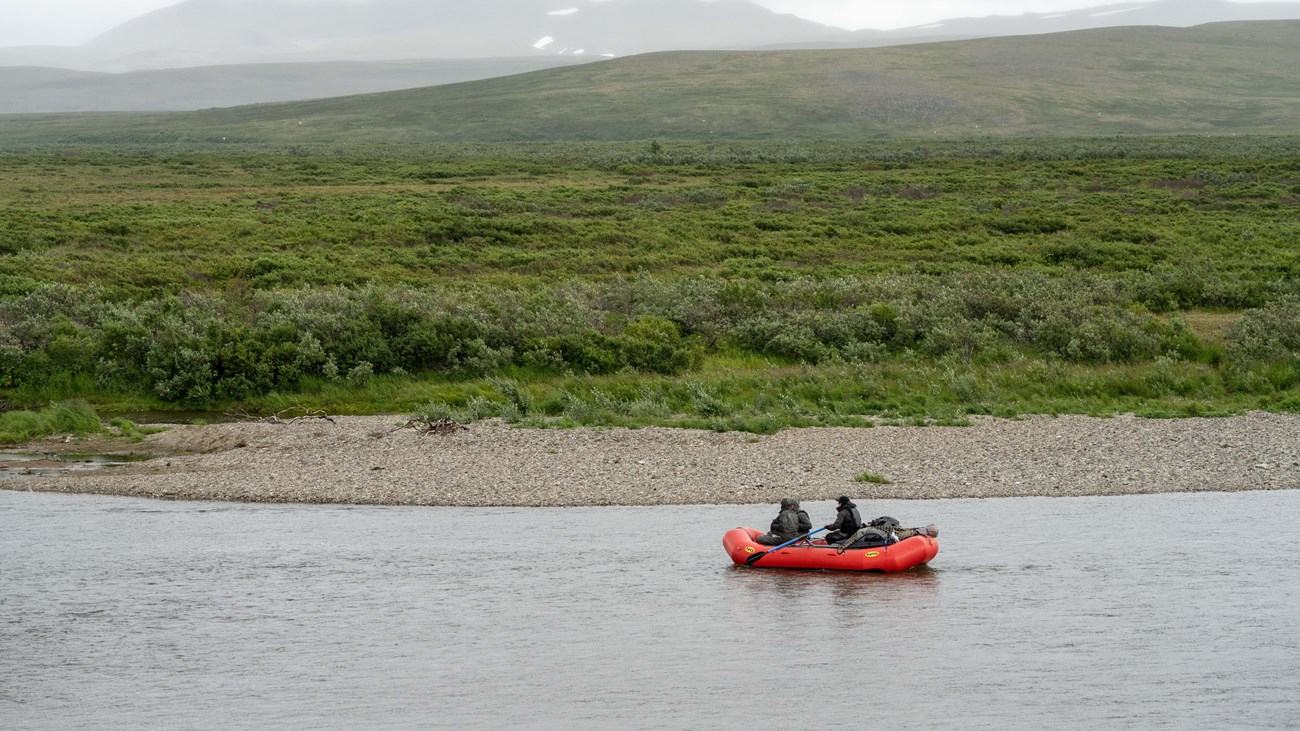
In Katmai National Park and Preserve, the experience of boating is inseparable from the character of a vast, remote landscape. Rather than a network of conventional recreational marinas, visitors encounter rivers, connected lakes, gravel shores and long stretches of wilderness. For the small-craft enthusiast, this is a destination where a simple boat can offer an extraordinary perspective, provided the trip is matched carefully to the crew's abilities and the conditions.
The appeal of a waterborne Alaska
In Katmai National Park and Preserve, the experience of boating is inseparable from the character of a vast, remote landscape. Rather than a network of conventional recreational marinas, visitors encounter rivers, connected lakes, gravel shores and long stretches of wilderness. For the small-craft enthusiast, this is a destination where a simple boat can offer an extraordinary perspective, provided the trip is matched carefully to the crew's abilities and the conditions.
This is not a recommendation to launch today. The park's boating information describes activities principally in summer, making the current winter planning period a sensible time to investigate next season's travel arrangements. A wilderness journey requires much more than choosing an appealing photograph or packing a favourite kayak. Access, operator availability, water temperature, communications and emergency arrangements should inform the decision long before a visitor commits to a route.
Two different ways to approach Katmai
The park provides possibilities for people who would like to make boating part of a broader Alaska holiday and for experienced expedition paddlers seeking a more demanding journey. Those are different ambitions. A visitor who has spent only a few days canoeing on a familiar lake should not mistake the relative simplicity of a canoe for evidence that a remote expedition will be equally straightforward.
A guided outing may be the more rewarding choice for many travellers. An authorised operator can explain the demands of the particular itinerary, identify the appropriate craft and discuss whether an individual's experience is sufficient. Ask about the intended type of water, the amount of active participation, the expected duration and what happens if the itinerary is disrupted. A clear answer is worth more than a promise of adventure.
Naknek Lake and the scale of the water
The National Park Service identifies Naknek Lake as the park's largest lake, extending across more than 150,000 acres. That scale matters from the perspective of a canoe or kayak. A narrow sheltered inlet and an extensive open stretch can present very different conditions, even when they form part of the same body of water. Plan for the actual exposure of a proposed outing, not simply its distance on a map.
Brooks Camp, the Bay of Islands, Fure's Cabin and Iliuk Arm are among the places mentioned in the park's boating information. They are useful names for an initial conversation with park staff or an authorised provider, not a ready-made itinerary. Ask which options are appropriate for the season, the means of access and the group's experience. The most attractive destination may not be the most practical starting point.
Rental boats and arranging a short outing
According to the park, canoe and kayak rentals have been available through its concessionaire at Brooks Camp. Check current concession arrangements, equipment and reservations before making travel plans. An apparent rental option on an older information page does not guarantee that a particular boat or service will operate on the dates of a future visit.
When discussing a rental, ask how the craft is fitted to the occupants, what flotation equipment is supplied and what instruction is available. The boat should suit the intended water and load rather than simply accommodate the number of people in the group. A shorter outing within a provider's recommended limits can allow visitors to appreciate the setting without committing to an exposed crossing or complicated overnight plan.
Savonoski and the expedition distinction
The Savonoski Loop is identified by the park as an established option for canoeing and kayaking. Its existence should not be interpreted as evidence that a visitor can undertake it without preparation. Anyone attracted to a wilderness loop should establish the current route requirements with authoritative local information, including the conditions and skills necessary for any connecting sections.
A route may require more than competent forward paddling. It can involve navigation away from familiar landmarks, securing equipment and managing a landing that is less convenient than expected. A small boat also has finite space for clothing, food, emergency equipment and drinking water arrangements. Assess the loaded vessel honestly during practice trips, rather than discovering a handling problem when a remote journey has already begun.
The river experience and guided rafting
American Creek, Moraine Creek and Funnel Creek are among the river locations that the park associates with rafting. A raft offers a very different experience from the solo independence of a kayak. It can make a shared wilderness journey possible, but the correct handling, equipment and decisions still depend on the water and the competence of the group.
For someone planning a rafting holiday, the operator's safety briefing is part of the experience rather than an inconvenience before it. Establish what passengers will need to do, how the operator assesses conditions, what personal equipment must be worn and whether any previous experience is required. Do not assume that whitewater suitability is determined by fitness alone. The ability to follow instructions and remain composed also matters.
Weather, insulation and a conservative schedule
A remarkable landscape does not remove the practical realities of cold water and changing conditions. Choose clothing and immersion protection appropriate to the actual trip, with professional advice when needed. An ordinary waterproof jacket may be comfortable during light rain but is not a substitute for clothing designed for immersion where such protection is required.
Build time into the schedule for decisions that may change the plan. A wilderness holiday organised around successive non-refundable commitments can create an unhelpful incentive to continue when waiting or turning back would be better. Discuss weather delays, accommodation changes and alternative activities with the providers involved. A booking should support a safe choice, not become a reason to override one.
Wildlife belongs to the wilderness
Part of the attraction of Katmai is that waterways lead through a landscape in which wildlife, rather than boating infrastructure, defines the setting. Keep wildlife observation subordinate to the park's current guidance and any instructions from qualified guides. Do not approach an animal to improve a photograph or assume that sitting low in a boat makes the crew invisible.
The same caution applies ashore. Establish the area's rules for camps, food storage and wildlife encounters before landing, and obtain the equipment and knowledge those rules require. The park notes restrictions on pets within the Brooks Camp developed area. Visitors should read current pet and wildlife requirements, rather than assuming that the flexibility offered by a private canoe also applies to every shore or camping location.
Planning communications and logistics
The practical questions surrounding a remote trip are often more important than the choice between two attractive boat models. Confirm transport to and from the park, expected baggage arrangements and the suitability of any privately owned equipment before leaving home. Depending on the agreed itinerary, an authorised operator may be able to supply a suitable boat rather than require a visitor to transport personal craft.
Ask how the route's communications and rescue arrangements work. A person on a guided trip should know what the arrangements are; an independent group needs to make its own appropriately robust plan. Share that plan with a reliable contact, make contingency decisions in advance and practise the skills relevant to the trip. Do not depend on ordinary mobile coverage or assume that emergency assistance can arrive immediately.
Make the journey fit the crew
Katmai demonstrates one of the best characteristics of small-craft boating: the opportunity to engage directly with a place without needing a large or elaborate vessel. Yet the size of the boat must never be confused with the size of the undertaking. People who enjoy a careful, modest outing should recognise that it can be just as worthwhile as an ambitious expedition.
Start with the type of holiday you actually want, then discuss suitable options with the National Park Service and authorised operators. Check seasonal access, reservations, weather, equipment and current regulations once the dates are known. A summer journey on Alaska's water may become a memorable experience precisely because the crew chooses a realistic goal, respects the wilderness and has the flexibility to enjoy it at the right pace.
Official source: National Park Service visitor information. A raft on Funnel Creek in Katmai National Park and Preserve; National Park Service photograph by L. Law. Public-domain federal agency photograph.
No claim to original U.S. Government works.
Source
National Park Service