
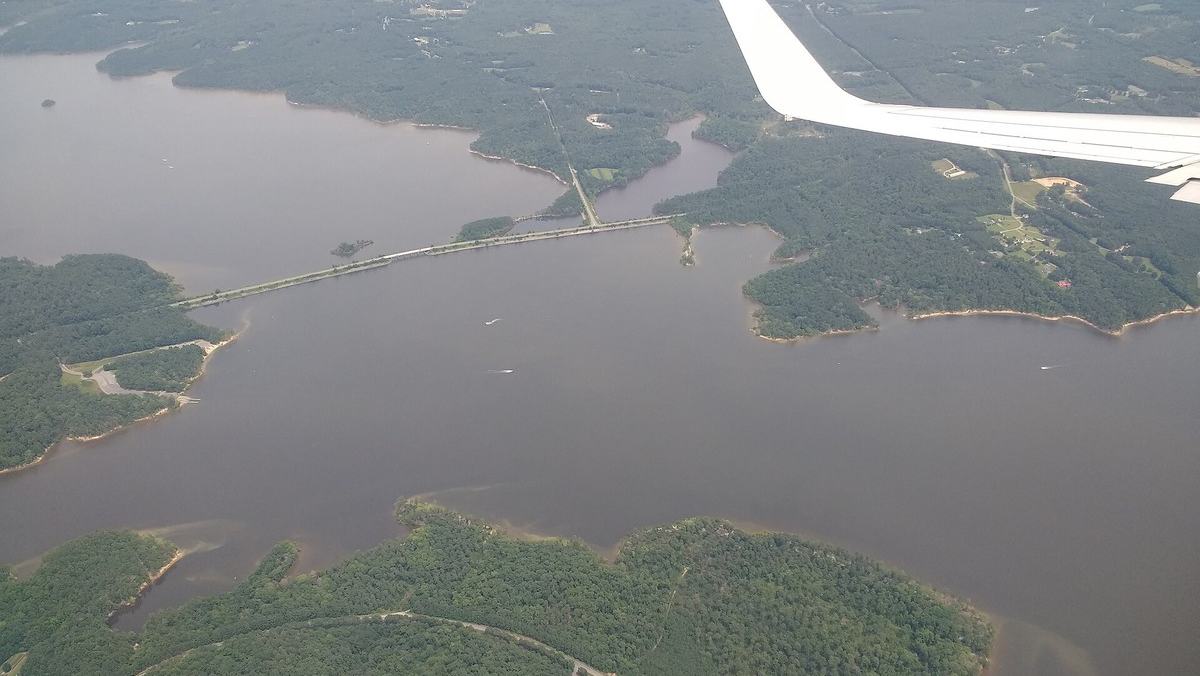
A family-focused Jordan Lake guide with the North Carolina state park's seven access areas, marina rentals near Crosswinds, nature watching, camping and boating advice.
A reservoir that invites a carefully planned day
Jordan Lake State Recreation Area lies in North Carolina's Chatham County, within a practical drive of Raleigh. The official state parks website describes a destination with seven access areas and opportunities for boating, camping and swimming. For a visitor with a small craft, that combination is attractive because it allows a genuine day on the water without requiring an expedition to a distant coastline. Yet the multiplicity of access points is also a reason to plan. A family arriving with a trailer, a kayak or a rented paddleboard needs more information than the general fact that the lake is open for recreation.
The state's description also identifies a privately operated marina near Crosswinds campground offering boat slips and storage along with fishing-boat, kayak and paddleboard rentals. That creates possibilities for visitors who do not own a vessel, but it should not be mistaken for confirmation of current stock or booking availability. A calm-water holiday depends on choosing an operating access area, finding appropriate equipment and making decisions based on the conditions at the lake rather than on a promotional photograph taken in a different season.
Seven access areas, different kinds of visit
An extensive recreation area does not function as one enormous marina. The North Carolina parks authority describes seven access areas, some oriented toward camping, others toward boat launching, swimming or picnicking. Their separate roles are important. A party that wants a relaxing kayak trip should examine the designated launch and the nearest protected water, while a family with a camper may prefer an access where its accommodation and boat arrangements can be coordinated. Names on a park map should lead to checks of individual facilities rather than an assumption that every feature is available everywhere.
Before leaving home, select a main departure point and an appropriate alternative. Check the park's latest alerts: maintenance, changing water levels and periodic closures can affect ramps, day-use facilities or routes around the shore. Some official listings distinguish between seasonal openings and year-round access. Visitors should therefore resist carrying over last summer's arrangements as though they are permanent. A few minutes spent confirming the intended site prevents a long search along unfamiliar roads while a fully packed party waits to get afloat.
The Crosswinds marina and rental option
Hiring a boat can be an appealing way to explore Jordan Lake without towing one. The state parks website notes the presence of a privately owned marina near Crosswinds campground that offers fishing boats, kayaks and paddleboards, in addition to slips and storage. The sensible next step is to contact that operator directly about actual availability, the types of craft suitable for beginners, equipment included and any weather-related policies. A marina's existence does not mean that every requested boat can be provided at short notice.
For a first-time kayaker, the right briefing is as valuable as the boat itself. Ask where the approved operating area begins, whether there are places to avoid, what time the craft must return and how the operator handles an emergency. A rented fishing boat requires a different conversation, covering speed, navigation and any operator qualification rules. If the group contains children or people unfamiliar with boating, prioritise stability, shade where available and a modest route over maximum speed or an impressive distance.
Choosing a paddle route without overcommitting
A satisfactory paddle should have a clear beginning and a straightforward return. Jordan Lake has enough space that a paddler can be tempted to venture further simply because the next shoreline feature looks close. On the water, distances are harder to judge and wind can transform the journey home. Begin in a sheltered section appropriate to the chosen launch, maintain visual landmarks and agree on a turnaround point before the group gets tired. A short route with plenty of time to observe the surroundings is often more rewarding than a long one requiring constant effort.
Treat a navigation application as a planning aid, not the final word about legal access. Posted signs, designated zones and park instructions govern where visitors may land or move. Avoid cutting across busy approaches if a safe shoreline route is available, and allow space for fishing boats that may have limited room to manoeuvre. The best itinerary should be adjustable on the water without becoming confusing; everyone ought to understand the intended route and how to signal a change of plan.
Watching birds without disturbing them
Jordan Lake is well known as a natural setting as well as a recreation area, and the North Carolina parks information highlights the presence of bald eagles. Observing a large bird overhead can be memorable, but wildlife photography should never drive a boat into a sensitive location. Watch from a respectful distance, avoid pursuing animals or approaching nest sites, and let a quiet observation remain a highlight rather than turning it into a chase for a close-up image. The same courtesy applies to other birds feeding or resting along the shore.
A kayak can be especially suitable for patient observation because it allows a slow pace with relatively little mechanical noise. That advantage disappears if the operator repeatedly changes course toward wildlife. Use binoculars or a camera lens instead of closing the gap. Stay clear of vegetation and avoid landing where it could damage habitat. Families can turn the outing into a lesson in looking carefully, keeping a simple record of what they see while leaving the animals and shoreline as they found them.
Different priorities for small powered boats
A fishing boat or modest dayboat provides shelter for gear and extends the range of a Jordan Lake outing, but it demands disciplined handling. Inspect the propulsion system and fuel supply, confirm safety equipment, know local navigation requirements and consider what to do if the motor stops. Reservoirs may contain submerged hazards, and water levels can alter the clearance of shallows or make a familiar launch more difficult. Follow official markers rather than guessing that a gap through the shoreline is navigable.
Powerboat operators should be particularly considerate around kayaks, paddleboards and anchored anglers. Speed may be permitted in some locations but still inappropriate close to another vessel. Reduce wash, give a generous passing distance and avoid sudden changes of direction. A family day on the water is more enjoyable when everyone understands that smaller, slower users have limited ability to react to a fast approach. Patience is an essential part of good helmsmanship.
Equipment for a comfortable afternoon
The right equipment varies by craft, but certain basics apply across the lake. Every participant needs appropriate flotation equipment and an explanation of when and how to use it. Bring drinking water, weatherproof storage for essentials, sun protection and a means of summoning help. A waterproof pouch is useful, but a communication device should also be accessible. If the trip involves kayaking, ensure paddles are suitable and that the group understands the simplest safe response to a capsize.
Comfort should be assessed for the least experienced person. A hot shoreline can mask the discomfort of wind or a wet body once afloat, while a child may become tired long before an adult expects it. Pack enough food for a delay but avoid cluttering the cockpit or deck with unsecured bags. Make sure everyone has a place to sit safely and knows not to stand or shift suddenly while a boat is manoeuvring. These unremarkable details make a surprisingly large difference to the quality of a family outing.
Wind changes the meaning of distance
An inland reservoir is not immune from rough conditions. Wind blowing across open water can create short waves, make a kayak difficult to steer and produce a hard ride for a lightly loaded motorboat. Before launching, check a local forecast, look at the surface of the lake and compare the apparent weather with the ability of the people on board. If conditions are uncertain, choose a sheltered activity or remain ashore. There is little value in proving endurance on a family holiday.
When paddling, avoid planning the outward leg with the wind behind you and then discovering that the entire return requires sustained effort against it. A sensible rule is to turn early, while everyone still feels comfortable. On powered craft, leave a reserve of fuel and time. If the group becomes separated, follow a previously agreed procedure rather than having individual boats rush off in different directions. Conservative decisions are a sign of experience, not missed opportunity.
Camping and boating in one visit
Jordan Lake's state recreation area includes camping opportunities, which can turn a single afternoon into a longer break. Combining overnight accommodation with boating sounds simple, yet it introduces practical questions: how the craft will be stored securely, where equipment can dry, and whether a particular campground gives appropriate access to the launch a family intends to use. Ask the park about specific site arrangements and reservations instead of assuming that a campsite includes a berth or waterside boat storage.
A useful rhythm for a short holiday is to arrive and familiarise yourself with the land-based facilities first. The next morning can then be reserved for a short boating outing, with no pressure to reach camp before a late arrival window. The afternoon remains free for a walk, picnic or rest. If the weather turns, the family still has reasons to enjoy the park. A good itinerary depends upon flexibility rather than a series of fixed activities that collapse when one element changes.
Parking, launching and recovering efficiently
Launch ramps are shared workspaces and should be treated as such. Prepare lines, personal equipment and loose gear away from the immediate access lane, then use the ramp only when ready. A kayak party should avoid scattering boats and bags where trailer traffic needs to circulate. A driver with a small powered boat should test the trailer lights and winch before leaving accommodation and should never try to solve mechanical problems while blocking other users from launching.
Recovery deserves its own plan. Note where the vehicle is parked, how the craft will be lifted safely and what time the site closes. If the chosen access becomes congested, wait patiently rather than improvising an alternative beach. A tired group should not have to carry heavy boats an unexpectedly long distance in fading light. An organised recovery is part of the holiday, and it leaves the shoreline safer for everybody who follows.
Respecting closures and sensitive shoreline
Lake access rules are intended to balance recreation with public safety and environmental care. The North Carolina parks authority issues site-specific notices, and visitors should take them seriously even when a closed area looks perfectly usable from a boat. Shoreline erosion, wildlife protection, repairs or flood impacts are not necessarily apparent to a visitor. Observe restrictions, use recognised facilities and avoid creating informal paths through vegetation. A lake stays welcoming when the cumulative effects of thousands of small visits are managed responsibly.
Pack away all litter and fishing line, clean equipment and leave wildlife undisturbed. A shallow inlet should not become a shortcut if the boat risks grounding and damaging plants or lakebed habitat. It is also courteous to avoid excessive noise around campsites and quiet shore areas. These measures can seem modest individually, yet together they preserve the atmosphere that makes a paddle or slow family cruise more attractive than a crowded day of motorised recreation.
A simple one-day Jordan Lake schedule
A practical day begins by checking the current park advisory, forecast and chosen launch. Arrive with enough time to organise equipment without rushing. Start with a sheltered loop and stop to assess how everyone feels. If conditions remain comfortable, extend the outing modestly; otherwise return while the crew still has ample energy. A packed lunch or an arranged stop at an authorised recreation area can then provide a pleasant break before a second short activity or the drive home.
The schedule should not depend on a specific rental being available. If the privately operated marina cannot supply a boat, keep an alternative plan that does not involve entering the water without suitable gear or supervision. The state park offers recreational opportunities beyond boating. Let the holiday follow actual conditions, and use the boat as a way of enjoying the setting rather than an obligation that must be completed regardless of weather.
Final checks with the park and operator
The official Jordan Lake State Recreation Area website supports the central facts in this guide: seven access areas, boating and camping opportunities, and a private marina near Crosswinds that advertises several types of rental. It does not guarantee current access, water levels, prices or equipment on the date of a planned trip. Review recent park alerts and the details for the specific entrance, then contact the marina directly if hiring or storage is part of the visit. If a ramp is closed, choose another lawful access rather than relying on an old map.
Jordan Lake rewards a practical attitude to small-boat leisure. Families can enjoy gentle paddling, nature watching and an afternoon outside without overcomplicating the experience. With thoughtful preparation, considerate navigation and realistic expectations, the lake becomes an appealing example of how much pleasure a modest craft and an unhurried day can provide.
Sources and photograph attribution
Official destination and boating guidance: NC State Parks — Jordan Lake State Recreation Area. Current access, rules, weather and reservations must be checked independently before travel.
Photograph: Mx. Granger — “Jordan Lake aerial view 2.jpg” (CC0), via Wikimedia Commons. Resized to JPEG 1200×800 for editorial display. Source: https://commons.wikimedia.org/wiki/File:Jordan_Lake_aerial_view_2.jpg. Licence: http://creativecommons.org/publicdomain/zero/1.0/deed.en. Original rights remain with the credited creator or as specified by the source and licence.
