
A small-boat guide to Jomfruland near Kragerø, covering the island's lighthouses, coastal paths, family visits and the important seabird and landing rules.
A protected island close to an active boating coast
Norway's Kragerø archipelago offers small-boat visitors a different coastal rhythm from the country's famous fjords. Low islands, sheltered inshore passages and working harbours make it possible to plan a short voyage with ample time ashore. Jomfruland is among the most rewarding destinations, both for its island landscape and for the national park protecting the surrounding environment. It is a place to slow down, enjoy the shore on foot and leave the most sensitive habitats undisturbed.
The national park is not an invitation to improvise a landing anywhere. The area's official management guidance permits boating in broad terms but includes restrictions for nesting seabirds, while individual access points and moorings must be checked before a visit. Modern charts and current local notices are essential, and the practical suitability of a berth varies with boat size and weather. A good day starts with choosing a legitimate landing and a route that fits the crew's experience.
Arriving from Kragerø
Kragerø is a natural gateway to the island landscape. From the town, a small craft can make a leisurely excursion through the archipelago instead of committing to a long offshore passage. The precise course depends on local channels, current charted hazards and the day's sea state; an itinerary written for holiday readers is never a substitute for navigational directions. Visitors without their own boat can investigate the local taxi-boat and organised excursion services that operate to island destinations.
Allow room in the schedule for a gentle approach and practical shore transfer. Working ferries, private craft and residents may share the waterways, so travel at a considerate speed and watch for traffic near jetties. Make sure that the landing place is intended for visiting boats and that fenders, lines and access arrangements are suitable for the crew. The easiest arrival is one that requires little improvisation once the island is within sight.
Lighthouses and maritime memory
Jomfruland's pair of lighthouses gives a shore visit a distinctive focus. Local tourism information describes the older brick lighthouse as dating from 1839, with a later iron structure nearby. The older tower and associated maritime displays have welcomed visitors in season, but opening times can vary from older promotional descriptions. Anyone hoping to climb for the view should confirm current access rather than assume the museum and tower will be open on arrival.
The lighthouse story connects directly with the small-boat passage. For generations, navigation marks helped vessels approach a complicated coast safely, and the island's lookout points still communicate how the sea shapes daily life. The contrast between historic seamanship and modern chartplotters makes a pleasant subject for families or boating clubs. Time on land can include a slow walk between the landmarks, photographs from permitted viewpoints and a proper break from the helm.
Walks, shoreline views and simple pleasures
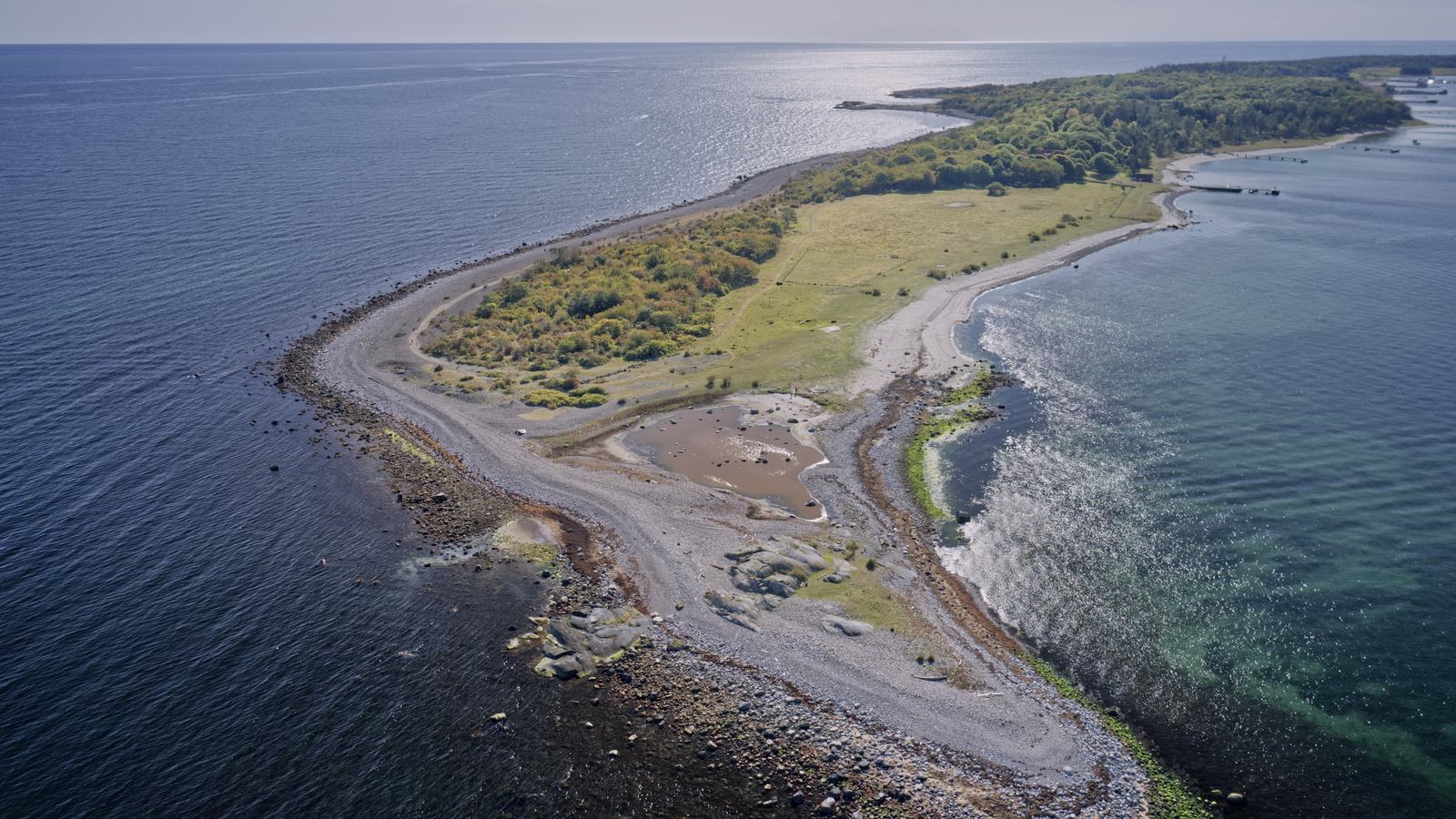
The landscape near Jomfruland includes coastal vegetation, open views and striking stretches of stone-covered shore. The national park's protection means that small details matter: paths, grazing areas and habitats are part of the experience rather than obstacles to an unrestricted picnic. Take a walk on established routes, look for changes in coastal plants and notice the way the sea is visible between trees. Appropriate footwear is useful where surfaces are uneven or slippery.
Families can plan a short land visit around a relaxed walk and a packed lunch rather than an ambitious activity programme. If visiting local businesses, check seasonal opening and reserve where needed. The official visitor information also highlights opportunities to combine an island visit with family-oriented attractions, but these should be verified directly with the relevant operator. A modest, well-paced outing will often be more enjoyable for children than a long list of stops.
Seabird protection and where not to go
Jomfruland National Park's governing authority identifies specially protected breeding areas where landing and approaching too closely are prohibited during part of the spring and summer. Its visitor FAQ specifies restrictions from 15 April to 15 July for certain seabird zones, including limits on getting within 50 metres of shore in those areas. These are location-specific controls, so skippers must consult the current protected-area map and notices rather than assume the entire island is subject to the same rule.
Wildlife can be enjoyed without intruding into nesting areas. Keep binoculars aboard, use permitted viewpoints and leave birds space to feed and rear their young. If an unfamiliar shoreline has protection signs, do not land simply because a rocky beach looks empty. Choosing another cove is a small adjustment that can prevent a significant disturbance. Local park management information is the most reliable source for updated restrictions and enforcement details.
Dogs, drones and respectful photography
Visitors bringing dogs need to plan carefully. Official national park guidance requires dogs to be kept on a lead throughout the park, reflecting the vulnerability of wildlife and grazing animals. Carry bags and take waste to appropriate disposal facilities; leaving a tied bag beside a trail is still littering. The same common-sense approach applies to food packaging, fishing tackle and anything else that might be carried ashore during a short visit.
Aerial photography is not an automatic option here. The management authority states that drones are prohibited without a relevant exemption, so visitors should not launch one from the beach, the boat or a nearby headland to capture a dramatic panorama. Good shore photographs can be made from public paths and legal viewpoints without overhead equipment. Respect private property, avoid pointing cameras into residents' homes and give animals a suitable distance.
Fire, picnics and use of the shore
The park's guidance is explicit about protecting the surface of the landscape. Fires and grills placed directly on the ground are prohibited, subject to designated facilities and applicable rules. Stone beaches and vegetation may look robust but can be damaged by heat, discarded ash and heavy use. A cold picnic brought aboard in reusable containers is a simple option that avoids arguments about what equipment is permitted on a particular day.
Do not install new fittings in rock or improvise permanent boat moorings. The park's management information states that making new fastening bolts requires approval, because drilling damages protected coastal geology. Visiting skippers should use established legitimate moorings or shore facilities, or choose another destination when no appropriate access is available. Good preparation means everyone can relax ashore without causing a problem for the island's long-term care.
A practical boating-day checklist
Plan the outward and return legs using current Norwegian charts and a realistic weather window, with fuel reserve and an alternative landing option. Check the local rules, bird protection zones and any harbour notices before leaving. On board, suitable lifejackets, communications, emergency equipment and a sound man-overboard procedure are essential. Conditions near an exposed headland can differ from the quiet harbour in which the day began, so the skipper should keep reassessing rather than following the original plan regardless.
Jomfruland is an appealing example of low-impact coastal exploration. The destination offers maritime history, short walks and a direct encounter with a living island landscape, all within reach of the Kragerø boating region. Its special quality lies partly in the boundaries visitors are asked to respect. When the boat is handled responsibly and the day is paced gently, a protected island can feel generous without being treated as unlimited space.