
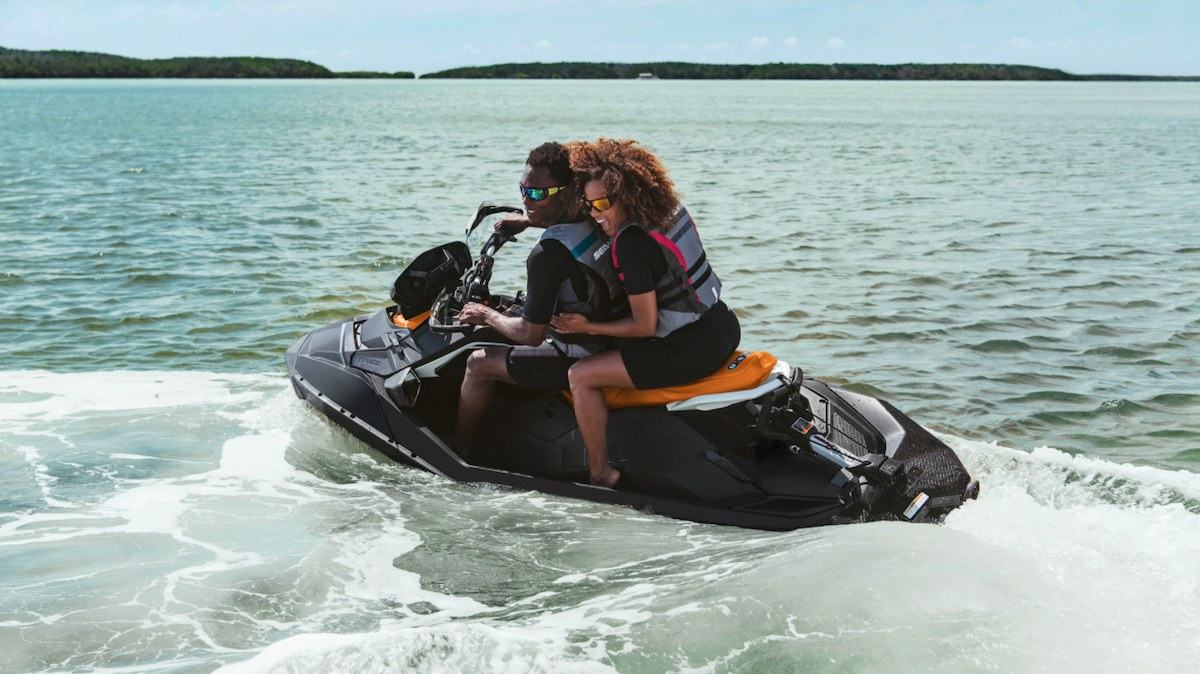
Jet skis can be a memorable part of a waterside holiday, but rules on operator age, training and local operating areas vary from place to place.
A thrilling short outing still has rules
Personal watercraft, commonly sold under names such as Jet Ski, WaveRunner and Sea-Doo, are popular holiday rentals because they can offer an energetic way to enjoy a lake or coast without taking out a larger boat. Their compact dimensions do not remove the obligations that apply to powered vessels. Discover Boating emphasises that the rules governing these craft can differ significantly between US states.
Some jurisdictions set minimum ages for operators or require specific boating education, while others place restrictions on where and when personal watercraft can operate. Rental staff should explain the local requirements clearly, but the person taking the controls also has a responsibility to understand them. A short rental agreement is not a substitute for the knowledge needed to operate safely.
Age limits and training need checking in advance
A family planning a holiday may be disappointed to discover that a teenager who has operated a PWC elsewhere is not permitted to do so at the destination. Minimum ages, supervision rules and recognised certificates can vary according to the state and the precise age of the operator. Some locations also distinguish between renting a vessel and operating one under another person's ownership.
Prospective renters should consult the relevant state boating authority and ask the rental operator what identification or training evidence is required. Online lists of rules may become out of date, so an official state source is more reliable than a casual travel recommendation. Parents should never assume that a child's previous experience overrides local legal requirements.
Learn the controls before heading away from the dock
A PWC operates differently from a typical outboard runabout, with steering and propulsion connected to the flow of water through its jet drive. Riders should learn the specific machine's throttle behaviour, stopping or reverse systems and any emergency engine cut-off arrangements during the operator briefing. Steering response can change when power is reduced, depending on the system and design.
A controlled familiarisation period on open, calm water is valuable before increasing speed. Riders also need to understand how to reboard after entering the water and what to do if the craft rolls or stops unexpectedly. Appropriate personal flotation equipment should be worn, and any manufacturer-required safety attachment must be used as instructed.
Operating areas are not interchangeable
Personal watercraft may be restricted from wildlife-sensitive zones, swimming areas, certain inland lakes or sections of a protected coastline. Speed limits and rules about distance from shore, other vessels or moorings can be more stringent than a newcomer expects. A renter should ask for a map or clear boundaries and establish how to recognise them while underway.
The main hazards include speed near other water users, limited ability to stop suddenly and the temptation to follow a more experienced rider into unsuitable conditions. A designated tour route may be appropriate for first-time riders, especially when the local water contains shallow areas or heavy commercial traffic. Staying within the approved area is part of the experience, not a constraint to work around.
Make the rental a considered choice
Before paying, a visitor should ask about insurance, deposits, damage liability and what assistance is available if the PWC breaks down. Conditions for cancelling due to poor weather also deserve attention. A reputable rental operator will be willing to discuss the craft's capacity, safe operating rules and how the group should communicate during the outing.
The most enjoyable ride is one that ends without injuries or damage to other boats and wildlife habitat. Keeping a safe speed, remaining alert and respecting the law allows a compact powered craft to be part of a good holiday. Personal watercraft are genuine boats with real responsibilities, regardless of how casual the rental advertisement may appear.