
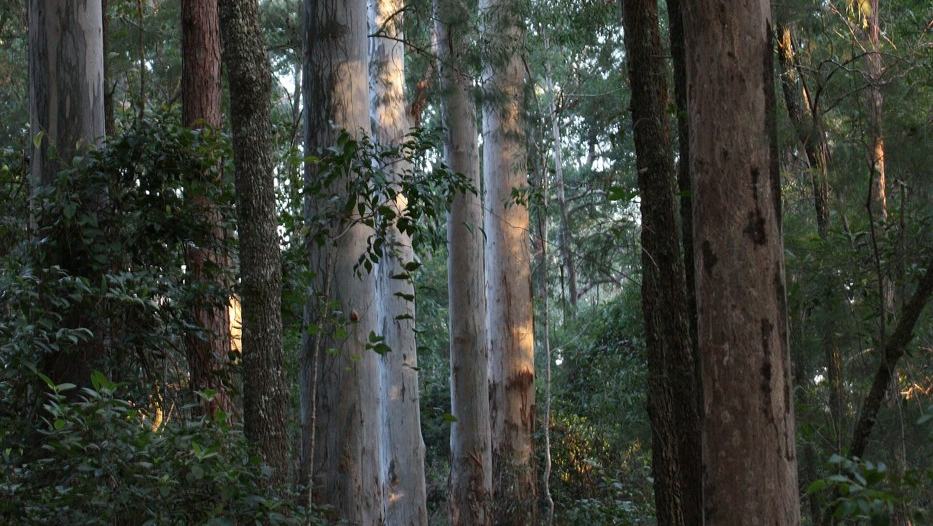
A tranquil north-coast New South Wales kayak outing on Jerusalem Creek, combining tea-tree banks, birdlife and a measured return to the park pontoon.
On the north coast of New South Wales, Jerusalem Creek offers a paddling journey defined by still-looking water, tea-tree-lined banks and the sense of slipping away from the busier coastline. The creek lies within Bundjalung National Park, where the NSW National Parks and Wildlife Service describes a 4.6-kilometre one-way route beginning at a pontoon. The agency gives an indicative duration of one hour and thirty minutes and grades the activity as medium. Those details give the journey a useful scale, but they are not a promise that every paddler can complete it within that time or that conditions will be suitable on every day. A well-planned kayaking holiday here combines attention to weather and current park notices with the pleasure of moving quietly through a sheltered-looking coastal waterway.
A different view of Australia's north coast
The landscape around Bundjalung National Park includes coastal features, forest and waterways that offer varied opportunities for visitors. Jerusalem Creek has a distinctive character because the paddling route follows a relatively confined waterway rather than an exposed beach. Tea trees and other vegetation frame the passage, creating an atmosphere that can feel removed from the traffic and activity of a more developed holiday destination. That setting makes a kayak or canoe particularly appealing. A small craft offers a low viewpoint and allows a traveller to appreciate reflections and birdlife without needing a motor. Yet sheltered scenery should not encourage complacency. Wind, water depth and the actual length of the return journey still matter.
The official four-point-six-kilometre route
NSW National Parks lists Jerusalem Creek as a 4.6-kilometre one-way paddle, with a suggested time of around one and a half hours. The distinction between one-way distance and the length of a complete outing is vital. If a paddler intends to return to the starting pontoon, the journey may cover substantially more water, and time will depend on conditions, stops and the crew's ability. Some visitors may be content to travel a shorter distance before turning around. That can be a better choice for families or people who are developing their paddling skills. The official grade of medium should be treated seriously, despite descriptions of tranquil water. A route can look easy and still require planning and boat-handling competence.
Launching from a pontoon
The park's official description says visitors can launch a canoe or kayak from a pontoon before following the creek. A designated starting point helps to keep access organised and can reduce trampling along a sensitive bank. Paddlers should still inspect the current arrangements before arriving with a boat, particularly if access has been affected by maintenance, weather or park closures. A pontoon is a shared facility, so preparing equipment away from the edge and moving promptly when ready is courteous. Those bringing a larger or heavily loaded canoe should ensure they can handle it safely at the launch. The existence of a pontoon does not imply that every kind of craft or mobility need is automatically accommodated.
Birdlife and the pleasure of quiet travel
The NSW parks agency highlights birdlife as one of the rewards of the Jerusalem Creek paddle. Moving slowly can give visitors time to watch birds feeding or moving along the banks, although no particular sighting is guaranteed. The best approach is to remain far enough away that animals continue their ordinary behaviour. Avoid paddling directly toward resting birds or entering shallow vegetated areas to obtain a photograph. A canoe offers opportunities for patient observation that can be lost when the crew is determined to cover as much distance as possible. A short stretch travelled carefully can provide more interest than a hurried attempt to reach a distant point and return.
Tea-tree margins need consideration
The vegetation surrounding Jerusalem Creek is central to its appeal. Tea-tree-lined water can create unusual colours and reflections, while branches and shoreline plants may narrow the view ahead. A paddler should resist using vegetation as an anchor or pulling against branches to steer where the channel is tight. Maintaining boat control through paddle strokes protects both the craft and the environment. Landing should take place only where authorised, not wherever a bank looks convenient. The tranquillity of the creek depends on people treating it as a living habitat rather than an obstacle course. This is an opportunity to enjoy the Australian coastal landscape at a human pace, with the minimum necessary disturbance.
A day that can include walking
A useful feature of this destination is the chance to combine paddling with time ashore. NSW National Parks recommends the Jerusalem Creek walk as an alternative or complement to the water route. That allows visitors to experience the area from two perspectives: a close water-level view and a walk through the surrounding landscape. The right order of activities should depend on weather and the time available. Someone who has spent several hours paddling may prefer a short walk, while others may choose to remain ashore if wind or conditions make launching unwise. A flexible itinerary preserves the enjoyment of visiting a national park without making the entire day dependent on one activity.
Booroora picnic area and a relaxed finish
The official park guide also identifies Booroora picnic area as a place to consider after paddling. A modest waterside meal can be as much a part of the holiday as the journey itself, especially for families who want an outing that is enjoyable rather than strenuous. Visitors should carry their own food and drinking water as appropriate, and take all waste away. Picnic facilities and access can be affected by seasonal conditions or temporary closures, so current information should be checked before travel. A comfortable finish is part of a good plan: after returning the kayak, there should still be enough daylight and energy to pack equipment and leave the park safely.
Camping at Black Rocks
For a longer stay, NSW National Parks points visitors toward Mibanbah–Black Rocks campground. This provides a way to turn a short paddle into part of a weekend exploring Bundjalung National Park. Camping arrangements are separate from permission to paddle, and a travel article cannot guarantee a site on the desired date. Check current booking procedures, facilities and any alerts concerning the campground. Bringing a canoe or kayak also requires consideration of where it can be stored or transported when not in use. A simple base allows visitors to wait for suitable paddling conditions rather than insisting on launching at a particular hour regardless of the forecast.
Weather and coastal conditions
Although the creek offers a sheltered-looking landscape, weather can change quickly near the coast. Wind direction, rain and other conditions may affect how far it is sensible to travel. A paddler should check the forecast and any current warnings shortly before leaving, with an alternative plan if the weather is unsuitable. Temperature and sun exposure matter too. Australia’s north coast can be warm, and a long outing without sufficient drinking water or sun protection can become uncomfortable. The NSW parks agency specifically lists water, sunscreen and a hat among recommended items. Those simple supplies should be accompanied by appropriate safety equipment and an understanding of how to return safely.
Selecting a suitable kayak or canoe
A recreational kayak may be convenient for a modest creek paddle, while a canoe can allow space for a companion and supplies. The choice should depend on water conditions, stability, the group's experience and how the boat can be handled at the pontoon. A hired craft should come with a clear explanation of where it may be used and what safety equipment is included, but the official route description does not itself guarantee a rental concession. Owners should check their equipment before travelling and make sure paddles, hull and personal flotation devices are serviceable. No vessel type should be assumed automatically suitable for every part of a route simply because it is described as a canoe and kayak destination.
Park entry and access arrangements
NSW National Parks says entry fees apply at Bundjalung National Park and lists a vehicle entry fee on its official visitor information. Prices and payment methods can change, so the live park page should be used rather than a figure taken from an old article. The park may also close temporarily in periods of adverse weather or fire danger. Those operational details should be checked before undertaking a long drive. A visitor should confirm the correct entry, the location of the pontoon and any rules concerning craft or group size. Proper access arrangements are part of preserving the park and ensuring that a relaxing outing does not begin with an avoidable problem at the gate.
Photographs and licensed imagery
The lead photograph is a real image of a forested Jerusalem Creek landscape in New South Wales by learnscope, made available through Wikimedia Commons under the Creative Commons Attribution-ShareAlike 2.0 licence. It illustrates the vegetation and atmosphere associated with the destination rather than claiming to show a particular guided trip or current conditions at the pontoon. The photograph has been resized for editorial use, with the photographer, original file and licence credited. The factual route details come from the NSW National Parks and Wildlife Service's official Jerusalem Creek paddle guide, which provides the one-way distance, indicative time, medium grade and associated visitor activities. Those sources serve different purposes and are identified separately.
A small-boat way to experience Bundjalung
Jerusalem Creek demonstrates how a relatively short waterway can provide a memorable boating experience. The appeal lies in moving quietly among tea trees and bird habitat, then having time left for a walk, picnic or overnight stay in the broader national park. The correct plan is one matched to the group, not a promise that every visitor will paddle the full distance. A sheltered creek still deserves attention to route length, weather and safe return arrangements. By treating the water and its living margins respectfully, canoeists and kayakers can enjoy a distinctive part of Australia's north coast without the expense or complexity of a large boat. The best memory may simply be the pace of the journey.
Sources and photograph attribution
Official destination and boating guidance: NSW National Parks — Jerusalem Creek Paddle Route. Current access, rules, weather and reservations must be checked independently before travel.
Photo: learnscope, “Jerusalem Creek, NSW.jpg”, CC BY-SA 2.0, via Wikimedia Commons. Cropped/resized as needed for editorial use. Source: https://commons.wikimedia.org/wiki/File:Jerusalem_Creek,_NSW.jpg. Licence: https://creativecommons.org/licenses/by-sa/2.0. Original rights remain with the credited creator or as specified by the source and licence.
