
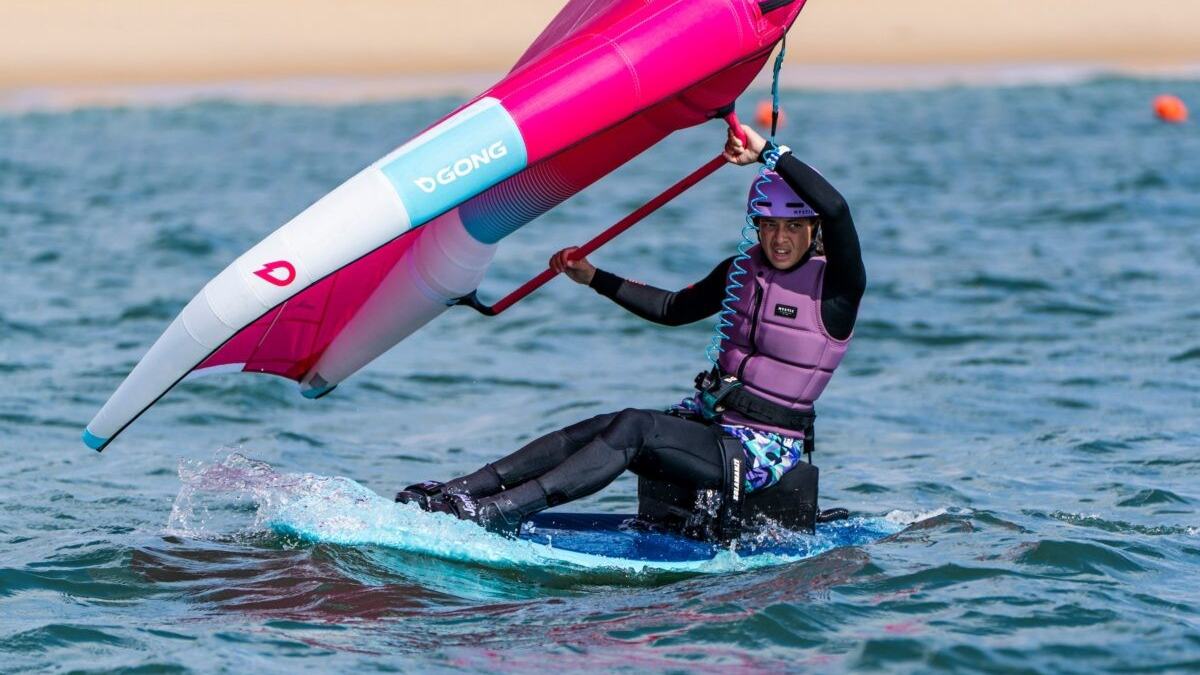
British sailor Jazz Turner has moved from her first stormy sailing lesson to a voyage around Britain and Ireland, and is now helping develop opportunities in seated wingfoiling.
A first lesson that changed a sailor’s direction
British sailor Jazz Turner first tried sailing at thirteen almost by accident, when a friend decided against taking a sailing lesson in difficult Cornish weather. Turner went in her place and discovered an activity that would continue to shape her life long after that cold, wet and windy outing had ended.
In an interview with World Sailing published during the October 2026 inclusive sailing programme, Turner describes the attraction as independence and the freedom to choose a course through the water. That sense of control has remained important even as the equipment and physical practicalities of sailing have changed over the years.
For families considering sailing as a new hobby, her first experience is a reminder that a single outing can be enough to spark lasting enthusiasm. It need not be a race, a perfect summer afternoon or a spectacular yacht to give a beginner a memorable sense of achievement.
Project FEAR becomes an ambitious voyage
Turner later pursued offshore sailing on a more demanding scale, developing Project FEAR after a period of major personal and health challenges. Her original ambition was to sail around the world, but practical financial limits led her to plan a circumnavigation of the United Kingdom and Ireland instead.
That voyage demanded more than sailing skill. Organising the route, equipment, assistance and logistics required the kind of persistence that is familiar to anybody who has prepared a substantial cruising passage, even if the circumstances of Turner’s journey were particularly demanding.
The achievement also shows that meaningful sailing objectives can be adapted to the resources available. For one person that might be a long-distance voyage, while for another it could mean completing a first short passage or joining a local sailing club after years of assuming the sport was out of reach.
A new challenge on a wingfoil board
At the 2026 World Sailing Inclusion Championships in Portimão, Turner turned her attention towards seated wingfoiling. The emerging discipline adapts the experience of harnessing wind power on a foil board to different participation needs, combining new equipment with the familiar demands of balance, movement and careful control.
World Sailing reports that Turner had encountered very few people practising the seated version before the championships. She welcomed the opportunity to meet other participants, exchange practical experience and learn techniques that cannot always be found through ordinary instructional material.
The technical challenges are considerable. Boardsports depend on a sensitive relationship between wind, water, equipment and the rider’s position, so adapted solutions must be assessed individually and developed with appropriate specialist guidance rather than assumed to work in every situation.
The importance of seeing people like yourself on the water
Turner has spoken about growing up without many visible role models who shared her circumstances. She hopes that being active in sailing and new watersports disciplines may help others recognise opportunities that they had not previously considered possible.
Representation matters because a newcomer may be discouraged long before reaching a sailing centre if the available photographs, promotional stories and equipment demonstrations suggest that only one type of person participates. Seeing a wider range of sailors can encourage more useful questions about the adjustments and support that are actually available.
Accessible sailing centres and instructors still need to make decisions based on the individual and the conditions rather than relying on inspirational stories alone. Safe instruction, realistic communication and properly adapted equipment are the foundation that allows enthusiasm to become practical participation.
Why inclusivity improves ordinary club sailing
At its simplest, sailing offers the same appeal to many different people: the feeling of moving over water through an understanding of wind and craft. The equipment may change, but steering a course, reading the breeze and building confidence remain recognisable parts of the experience.
Clubs can support wider participation through suitable shore access, informed volunteers and links to training organisations with specialist knowledge. The objective is not to assume that everybody wants to race or undertake an expedition, but to make it easier for participants to choose the kind of time afloat that interests them.
Families should seek out centres willing to discuss practical needs honestly and arrange an appropriate first session. That might involve a larger training boat, a particular type of dinghy or adapted controls, with the final decision resting on safe conditions and competent instruction.
A continuing ambition for international sailing
Turner’s goals now extend beyond her own activity. She supports efforts to develop inclusive sailing internationally and hopes that the sport can regain a place on the Paralympic programme, creating opportunities and visibility for athletes working towards that level.
Those long-term ambitions should not obscure the pleasure available in an ordinary afternoon on the water. Competitive events can inspire, but many people discover the deepest satisfaction through learning a new manoeuvre, improving their confidence or sharing a peaceful trip with friends.
Her story provides a useful perspective for leisure boaters: different paths into sailing can produce the same feeling of freedom. The experience begins with listening to individuals, finding suitable equipment and giving people the opportunity to decide for themselves what they want to achieve afloat.
In the wider recreational boating community, access to the water can depend on details that are easy to overlook: reaching the pontoon, boarding the boat and knowing what support is available in changing conditions. An inclusive sailing centre can make those practical issues part of ordinary preparation rather than letting them prevent talented and enthusiastic people from participating.
The example of seated wingfoiling also shows how teaching methods and equipment can evolve together. A newcomer should seek out properly trained instructors and not attempt to improvise specialised modifications without technical advice, because the forces involved in wind-powered boardsports require careful assessment.
Source
World Sailing