
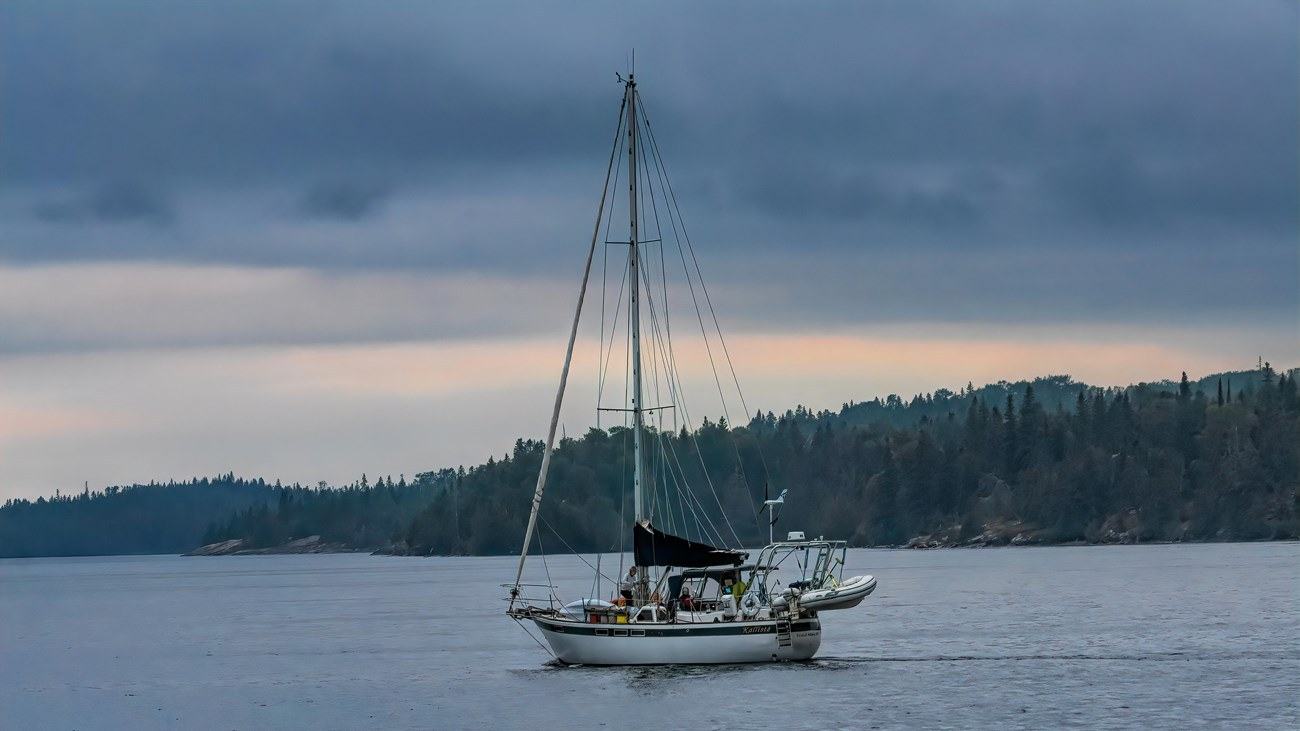
A small sailboat can offer a distinctive way to visit Isle Royale National Park, with Lake Superior navigation, marina services and wilderness rules to consider.
A remote island best approached with respect
Isle Royale National Park lies in Lake Superior, where forested islands and rocky shorelines provide a distinctive setting for small-vessel cruising. A modest sailboat can offer the satisfaction of travelling under wind power to a landscape shaped by its separation from busy roads and towns. The National Park Service welcomes boating while asking visitors to protect the wilderness and understand the realities of the lake.
The distance from the mainland and the changeable conditions mean this is not an ordinary harbour-to-harbour weekend for beginners. A vessel suitable for Lake Superior, a competent skipper and dependable navigation and communication equipment are essential. For people without that experience, travelling by the park's passenger services and exploring ashore may be more suitable.
Why a small sailboat appeals
Sailing can connect a traveller with the broad water and changing weather in a way that differs from a motorboat cruise. The pace invites attention to the wind, trim and the landscape, while a suitable cabin offers storage and shelter for a short visit. The official park photograph shows an actual white sailboat on Lake Superior with an island shoreline behind it, accurately reflecting the setting.
An appealing scene should not hide the demands of an exposed freshwater lake. A small sailboat can face substantial waves and long distances between refuge, and its draft or rig may restrict which docks or anchorages it can use. The decision to sail should be based on boat capability and a conservative weather window rather than the romance of reaching a remote island.
Rock Harbor and Windigo as service centres
The Park Service identifies Rock Harbor and Windigo as the two main locations offering marine services during business hours, including fuel and pump-out facilities. Their availability is useful for visitors arriving in private craft, but a skipper should confirm current seasonal opening, berth conditions and services before departure. A small boat cannot assume every remote shoreline offers supplies.
The services can also form part of a wider itinerary, with opportunities to walk and learn about the park ashore. Travellers need to follow the applicable rules for docking, overnight stays and access to park facilities. The nature of an island destination makes careful organisation particularly important, because an unexpected change in the schedule can be difficult to solve at short notice.
Advance contact with the Park Service
Isle Royale asks private boaters to arrange permitting in advance through the Houghton Visitor Center. The exact requirements should be reviewed before travelling, including park entry, mooring and any campsite or overnight restrictions applicable to the intended craft. A trip that appears straightforward on a chart may involve additional management rules because the whole island is protected.
Visitors should keep the necessary documents accessible and confirm whether any reservation is actually guaranteed or based on availability. An enquiry made before departure can also clarify closures or seasonal limitations. Responsible boaters treat permits as a way of managing access to a sensitive place rather than an optional step.
Weather on Lake Superior sets the schedule
Lake Superior is capable of rapidly developing wind, waves and reduced visibility. A skipper must check the marine forecast, assess likely conditions along the planned route and be willing to postpone a crossing. The water may remain cold even when air temperatures are pleasant, increasing the consequences of a person going overboard.
A sound passage plan includes alternate destinations where they are realistic, suitable safety equipment, an appropriate lookout and reliable communication. The crew should know how to manage the boat if the engine becomes unavailable or the wind changes. A comfortable sail is one that finishes with reserves of energy and daylight rather than one that uses every available hour to cover distance.
Shores that are protected for a reason
Isle Royale's landscapes and wildlife are central to its appeal, and boat visitors should avoid disturbing animals or landing in restricted places. The island contains sensitive habitats that can be damaged by careless anchoring, waste disposal or repeated use of a small beach. A sailor's freedom to explore must remain consistent with park rules and responsible environmental practice.
Waste management is particularly important on a cruising boat, which may carry its own sanitation and food systems. Discharge and pump-out requirements should be understood before departure, not left to a hurried decision at the last anchorage. Keeping rubbish secure and using authorised facilities helps maintain the wilderness setting visitors come to enjoy.
Fishing and exploration as optional parts of the trip
Some boaters visit to fish Lake Superior waters, while others value secluded views and time ashore. The NPS provides information on fishing opportunities and applicable regulations, which may vary according to waters and species. A skipper should confirm that the necessary licences and equipment are appropriate before treating a fishing stop as part of the itinerary.
There is also no need to pursue every cove or neighbouring island in a single visit. Sailing slowly along a suitable section and stopping at an authorised harbour can provide a strong sense of place. The conditions, vessel and crew should determine what is realistic, not a list of landmarks collected from an online guide.
A wilderness trip rather than a checklist
For a competent small-boat crew, Isle Royale can be a memorable destination precisely because arriving requires preparation. The sight of the shoreline from a sailboat, the quiet of a protected harbour and the awareness of being far from urban life are pleasures that do not demand a large yacht. A modest craft can offer a deeply satisfying journey when its limits are understood.
The official NPS boating guidance, current marine forecasts and relevant permit arrangements are the foundations for planning. A successful voyage is one where every passage, landing and overnight stop is considered in advance, leaving space to enjoy the unexpected beauty of Lake Superior without accepting unnecessary risk.