
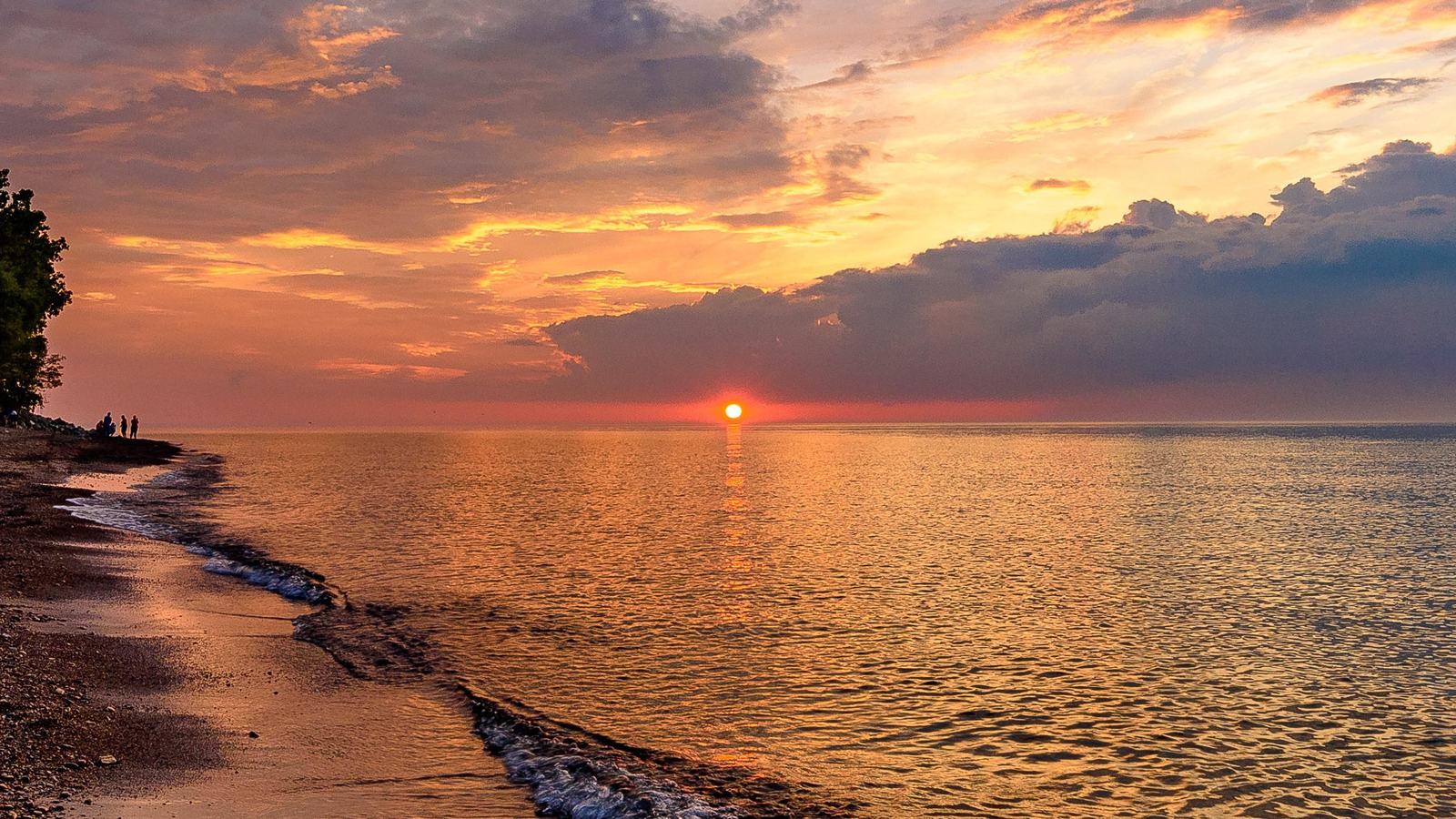
Indiana Dunes offers a striking Lake Michigan shoreline for experienced paddlers, but beach-launch restrictions, sudden waves and commercial traffic call for caution.
A national park on the edge of a Great Lake
Indiana Dunes National Park is an unusual paddling destination because its beaches face Lake Michigan rather than a sheltered inland pond. A kayak on the horizon can make the shore look invitingly calm, with sand, dunes and a wide expanse of water forming a landscape that is visually simple but constantly changing. The National Park Service is clear that boaters must judge this Great Lake with respect, not as an oversized swimming pool.
The attraction is the sense of space. A short, well-chosen shoreline paddle can reveal the dunes from a different angle, and calm-weather exploration offers a way to combine active recreation with time on the beach. Yet the wind, waves, colder offshore water and large commercial vessels serving the region can transform the same outing into a serious challenge. A beginner should never mistake an attractive shoreline for a guarantee of easy conditions.
Distinguish a beach launch from a marina launch
Sailboats and powerboats are familiar sights on Lake Michigan, but the park itself does not operate marinas, rentals or conventional powered-boat launching facilities. Such services are provided in surrounding communities. That distinction matters for trailer-boat owners, who should arrange a suitable public or commercial marina launch rather than arriving at a national park beach expecting a slipway.
Hand-carried non-motorised craft can use many park beach locations, subject to specific restrictions. The park lists detailed limits on vessel size, carrying method and the protected dune landscape, and motorised launching from park land is prohibited. These conditions help protect fragile terrain and reduce conflicts with swimmers. Before unloading, check the latest guidance for the exact beach and any seasonal lifeguarded area.
Waves can change the return journey
Lake Michigan can present a deceptive early morning. The first outward leg may take place in light air and low swell, while a later change in wind leaves the same paddler returning against steep waves and more difficult shore conditions. A prudent route stays within the group's experience and leaves sufficient margin for an early return. Cold water is a further consideration even when the air temperature encourages summer clothing.
The National Park Service encourages the use of appropriate flotation equipment and advance weather checks. For longer journeys, sea-kayak equipment, clothing suited to immersion and practised recovery skills deserve particular attention. A person who cannot confidently handle a capsize and re-entry under the expected conditions should shorten the route or choose a guided outing in a more sheltered location.
Respect swimming areas and other traffic
Swimmers have priority in the park's designated areas. The official rules restrict watercraft in the West Beach swimming zone, and boats should remain well clear of marked swimming beaches. Other beach rules govern where non-motorised craft can be carried and launched. Keeping to the appropriate route is a matter of public safety as well as compliance with park regulations.
Farther from shore, paddlers may encounter sizeable commercial vessels and changing currents. A small kayak sits low in the water and can be difficult for the bridge crew of a much larger ship to identify, especially near busy approaches. Avoid traffic lanes and never rely on another vessel altering course at the last moment. Sound judgement often means staying near a manageable part of the shoreline rather than heading toward distant industrial landmarks.
The Little Calumet offers a different experience
The surrounding area includes the Little Calumet River Water Trail and other inland waterways, offering a contrasting experience among riverbanks and vegetation. These routes can involve shallows, obstacles and changing access conditions rather than open-lake waves. The park's boating page currently carries a notice of a partial Little Calumet trail closure connected with bridge construction, illustrating why a paddler must check route-specific advisories before setting off.
A river trip and a Lake Michigan excursion should be planned separately. Launch access, retrieval arrangements, water flow and hazard awareness are not interchangeable. Even a modest inland route may need a shuttle vehicle or an agreed pickup point. Visitors should avoid interpreting a map's continuous blue line as a promise that every section is navigable on the day.
Make the shore part of the holiday
Indiana Dunes is not only about mileage on the water. The park's sand and changing weather create attractive opportunities to photograph the coastline, take a walk or watch the lake from a safe beach. Paddlers should protect the dunes by using designated access paths and never dragging boats over sensitive vegetation. Leave room in the itinerary for a change of plan if conditions are unsuitable for launching.
The pleasures of a short paddle can be substantial: the view of the beach from just offshore, a quiet interval between breaking waves and a different appreciation of the park's scale. The outing need not be long to feel worthwhile. Turning back early because the wind is rising is good seamanship, and a planned shore day can be a perfectly successful alternative.
Check today's rules rather than yesterday's memory
Before departure, consult the National Park Service guidance for beach launching, current closures and swimmer exclusion zones, then obtain a marine forecast that covers the planned period on Lake Michigan. Confirm where the craft will be parked and recovered, particularly if the group is using a one-way route. Carry appropriate safety equipment and tell someone ashore about the expected return.
The park rewards paddlers who adapt to the day, not those committed to reaching a predetermined point at any cost. Good preparation makes it possible to appreciate a beautiful Great Lakes shore without losing sight of the practical risks that come with open water.
Check the official National Park Service Indiana Dunes boating guidance for updated access restrictions, conditions and regulations. Hero photograph: National Park Service, official Indiana Dunes National Park lakeshore photograph.