
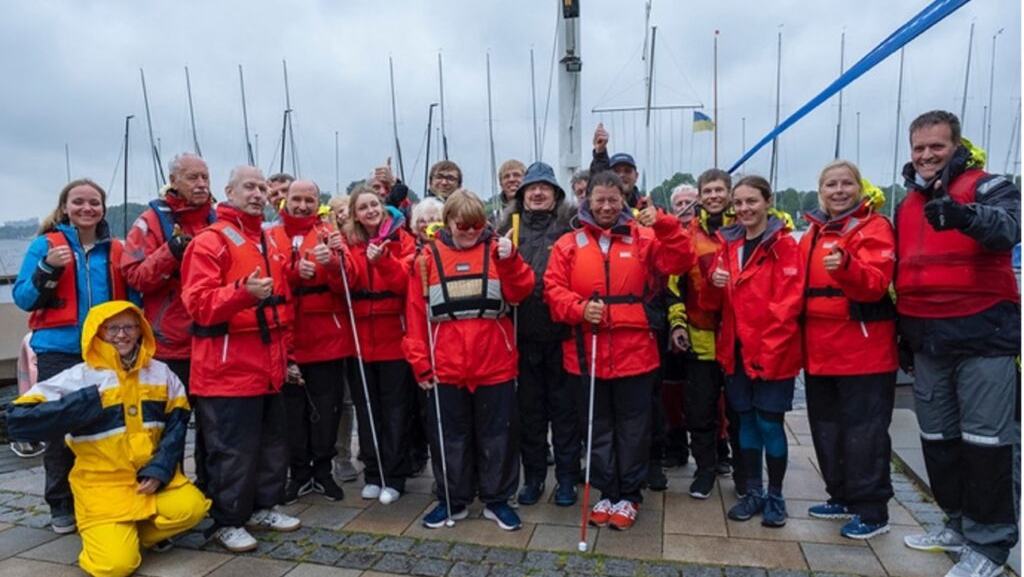
Inclusive Alster has grown into a seven-partner Hamburg network connecting accessible sailing, paddling and rowing programmes for children and adults.
Hamburg’s Inclusive Alster programme has grown into a seven-partner watersports network spanning sailing, paddling and rowing on the Alster. The 2026 programme brings clubs and specialist organisations together so that people with and without disabilities can share equipment, instruction and regular activity rather than relying on isolated one-off events.
Organiser Wir sind Wir – Inclusion in Sailing says more than 150 children and young people with disabilities benefited from its regular inclusive sailing courses during 2025. The 2026 plan expands that work with additional youth sailing, paddling and rowing projects intended to create longer-term progression.
The network goes beyond sailing
The Hamburg Canoe Club and rowing organisations now sit alongside sailing partners within the programme. That broadens the choice of craft and can help participants find an activity that suits their mobility, confidence and interests instead of assuming that one type of boat will work for everyone.
Inclusive paddling is specifically part of the expansion, including equipment such as surfskis and outriggers designed to support mixed-ability crews. Shared water access also creates opportunities for clubs to learn from each other about coaching, transfers, facilities and volunteer support.
Young sailors are being given progression routes
One 2026 project is the Heinz Kettler Inclusive Youth Sailing Team Germany, which aims to develop young sailors with disabilities into capable, increasingly independent sailors. The programme adds structured training weekends and integration with existing youth activity rather than keeping inclusive sessions separate from the wider club.
That progression is important because recreational access should not impose an artificial ceiling on ambition. Some participants may simply want enjoyable time afloat, while others may want to race, lead a crew or take on more responsibility as their skills grow.
Shared infrastructure can make inclusion sustainable
Accessible boating depends on practical details such as pontoons, changing facilities, suitable boats, trained helpers and reliable session schedules. A network approach allows those resources and experiences to be shared across several organisations instead of every club trying to solve the same problems independently.
For LBG readers, Inclusive Alster shows that a boating lifestyle can be designed around mixed abilities from the outset. The most important innovation is not a single adapted boat but a local system that gives people repeated, realistic opportunities to sail, paddle or row as part of an ordinary watersports community.