
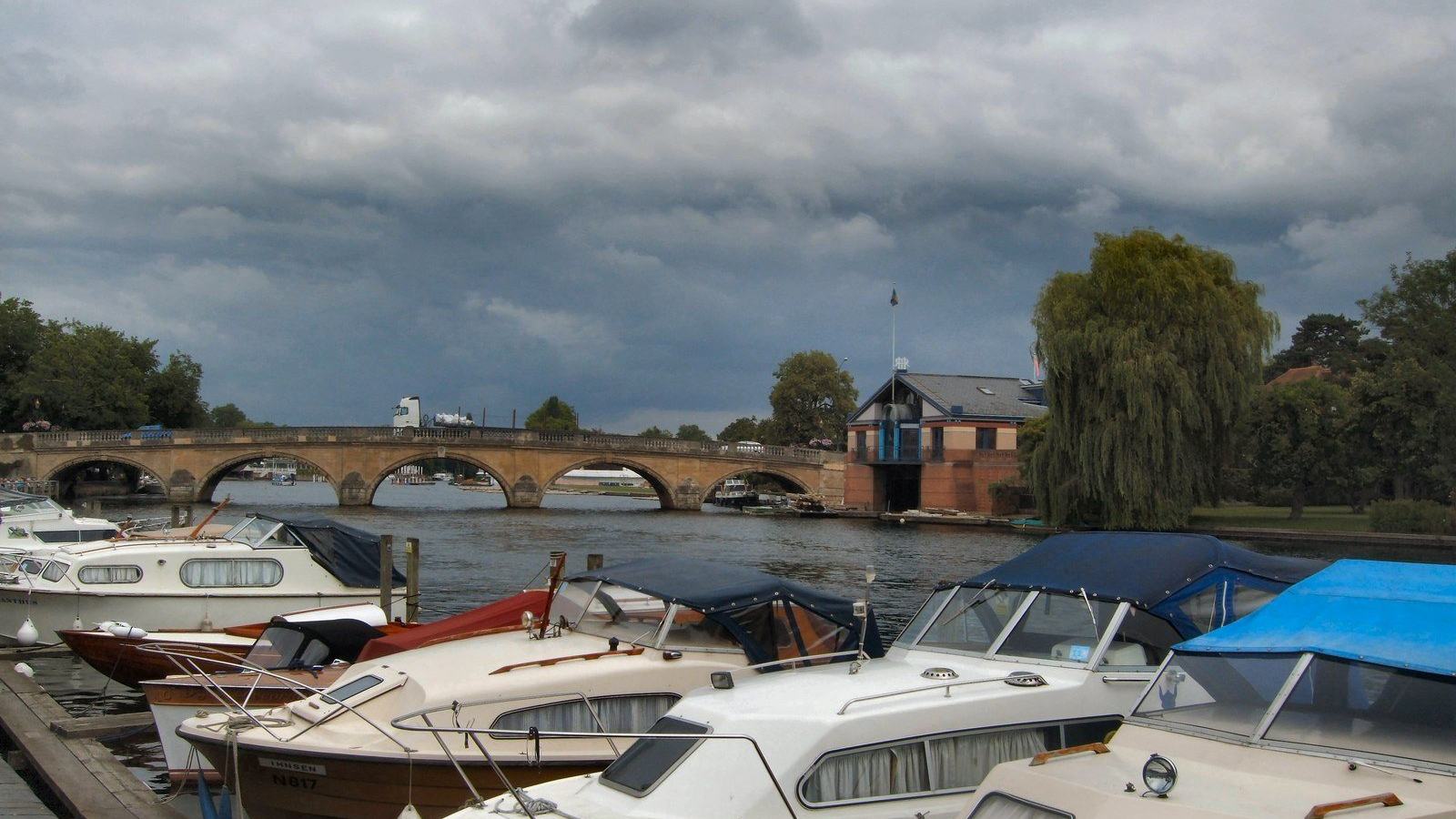
Henley makes a memorable base for a modest Thames cruise, but stream-warning boards, lock arrangements and lawful visitor moorings should shape every day’s route.
The appeal of a shorter Thames cruise
The stretch of the non-tidal River Thames around Henley-on-Thames has long attracted pleasure craft, rowing boats and visitors who enjoy the river's changing banks. It suits a leisurely small-boat day especially well when the skipper resists the urge to cover several distant towns at once. A journey can revolve around a single reach, a carefully planned lock passage and a legitimate stop ashore. The reward is the river itself: wooded edges, bridges, historic riverfronts and a procession of different craft. Yet the Thames is a working managed navigation, not a theme-park ride. Stream strength, lock availability, local restrictions and mooring rules can change. The Environment Agency's official conditions and closure information is an essential part of the plan, even for a boat that will only travel a short distance.
A calm surface can hide a strong stream
One of the Thames's most important lessons is that a river can look benign from a towpath while running too fast for comfortable small-boat handling. The Environment Agency maintains a current river-conditions page and displays warning boards at lock sites. Those boards should be checked before departing and watched during the trip. On 7 November 2026 the agency's published table showed no stream warnings in the Henley-area reaches, but that is a dated observation, not a guarantee for a future outing. Rainfall and weir operations can change the situation. Never use a general weather forecast as a substitute for the live river advice. If the conditions page and what you see at the lock differ, seek current guidance from the lock staff and take the more cautious approach.
Know the difference between warning colours
The Environment Agency uses clearly defined strong-stream warnings. Red means the agency advises all boats not to navigate. A yellow warning for increasing stream advises unpowered craft not to navigate and powered craft to find a safe mooring. When the stream is decreasing, yellow still means unpowered craft should not navigate, while powered craft are advised to proceed cautiously. These are not arbitrary colour labels; they describe circumstances in which the flow can overpower a manoeuvre near a bend, lock or obstacle. Weirs and sluices are dangerous at all times, and especially during strong flow. A dayboat operator should know what each warning means before setting off rather than interpreting a sign for the first time during an approach.
Build a route around one or two reaches
For an introduction, choose a manageable area around Henley and mark the locks that define its boundaries. Hambleden, Marsh and nearby lock names appear in Environment Agency information, but the presence of a lock on the map is not proof that it will be available during a planned outing. Check individual closure notices and keeper arrangements. A route that stays within one reach may be entirely appropriate for a novice crew, especially if it includes time to observe other boats and practise slow-speed handling. If a lock passage is planned, allow for queues and operating arrangements. Make the turnaround point flexible. The value of a river outing is not increased by a stressful return against the clock.
Locks require preparation and patience
Approach a lock at a low, controlled speed and obey the lock keeper's instructions or posted directions. Keep clear of the weir stream, which can be dangerous even when the rest of the reach appears quiet. Prepare lines and fenders before entering. Passengers should not try to hold the vessel off a wall with their hands or feet; use the equipment intended for the task. If the crew is inexperienced, brief each person on one simple responsibility and demonstrate what should happen if a line becomes trapped. Do not rush another vessel or cut in front of a waiting boat. Depending on the lock and circumstances, staff may operate gates or boaters may encounter self-service arrangements. The current Environment Agency lock guidance explains what to expect and should be reviewed by the skipper.
Respect the rowing culture
Henley is inseparable from rowing, and the local water can bring motorboats into close proximity with slender shells that sit low in the water and accelerate quickly. Rowers often face backwards in their direction of travel, making clear lookout and predictable course-keeping especially important for the powerboat operator. Reduce wash well before approaching a rowing crew, give generous space and avoid sudden turns across their line. Listen and look for coaching launches and organised activities. A clear patch of water may be part of a training lane or event area, so check local notices for special restrictions. The same courtesy extends to paddle craft and sailing boats. Small-boat enjoyment depends on being a considerate participant in a crowded river, not treating others as obstacles to a sightseeing route.
Moorings are governed by local rules
The sight of a convenient stretch of bank should prompt a question: is stopping here authorised? The Environment Agency identifies visitor moorings and facilities, but individual sites can carry time limits, charges and closures. A commonly cited one-day stopping allowance should never be substituted for the conditions shown at the actual location. The agency's list can change and must be checked before relying on a particular mooring. Some sites are managed by local authorities or private owners rather than the agency. Secure the vessel only where permitted, without blocking a lock approach, access ramp, emergency point or another boat's manoeuvring space. Tie lines safely and allow for changes in river level. A good shore stop is one that ends without a dispute or damage.
The small-boat safety brief
A boat below twelve metres may have a reassuringly simple layout, but the river still calls for proper equipment. Appropriate lifejackets or buoyancy aids, working engine and steering, navigation lights when required, suitable ropes and fenders, an anchor matched to the craft and a means of communication all belong on the pre-departure list. Carry a charged phone and, where appropriate, another reliable way to seek assistance. Check fuel with a reserve. Make sure passengers know how to step aboard and ashore without jumping, especially near slippery quays. Identify a safe place to stop if the engine begins to run poorly. If the boat is hired, follow the operator's specific briefing and boundaries. The aim is a relaxed crew that knows what to do rather than one learning under pressure.
Water levels and navigation marks
The non-tidal Thames has a marked channel and features that may not be obvious from the centre of a small cockpit. The Environment Agency advises specific navigation-marker conventions for travelling upstream and downstream and warns about shoals, particularly on the insides of bends. Read a suitable navigation guide and do not treat the middle of the visible river as an automatically safe line. Keep clear of yellow buoys and other marks and pass them as the official guidance requires. Near locks, maintain awareness of the weir stream and any restricted area. If visibility is poor or the navigator is uncertain, slow down safely and resolve the situation before continuing. A modest river journey rewards precise boat handling more than speed.
Use Henley as a reason to linger
The town offers an appealing connection between boating and life ashore, with riverside views and a strong connection to rowing history. A visitor can enjoy watching the river from a lawful mooring or take a walk after securing the boat properly. Do not assume that an attractive riverside terrace provides public landing access, or that a privately operated berth can be used without arrangement. The gentlest outings are often the best remembered: a short passage, a considered pause and time to observe a different perspective from the bank. If a picnic is planned, carry rubbish away and avoid leaving equipment on a towpath. The Thames is as much a shared public setting as a route between destinations.
Follow restrictions rather than old itineraries
The Environment Agency publishes restrictions and closures for works, events and other operational reasons. These notices can affect a bridge, a lock, a reach or access to facilities. They are often date-specific, which means an article written in November cannot responsibly promise the same route will be possible in spring. Before booking a dayboat or towing a craft to Henley, read both the current strong-stream information and the current restrictions page. Ask the operator about any local conditions not reflected in a general itinerary. Do not try to bypass a closed lock or enter a prohibited reach. If a planned route cannot be made, shorten it or change the day. The best way to enjoy the Thames is to accept that the river has its own operating calendar.
A Henley day worth repeating
Choose a calm-weather window, verify the live stream warnings, review closures and select a short return route that fits the crew's ability. Confirm launching or hire arrangements and lawful stopping opportunities, then set out slowly enough to notice rowing crews and other small craft. If a lock is included, prepare the lines and listen carefully to the keeper. Allow enough slack for an unexpected wait, and return before fatigue or fading light becomes part of the decision. A small boat can make Henley feel wonderfully accessible without travelling far. The enduring pleasure is to see the river on its own terms: unhurried, shared, occasionally demanding, and much more satisfying when every part of the day has been planned with care.
Sources and photograph credit
Official stream warnings: Environment Agency river conditions; closures and restrictions; lock facilities. Photograph: Paul Gillett, Boats by the Thames at Henley, CC BY-SA 2.0; resized without cropping.

Source
Environment Agency