
Explore the Hauraki Gulf by small boat, including Rangitoto, Motutapu, Waiheke, conservation islands, new protected-water rules, biosecurity and safe day-trip planning.
An island playground with important boundaries
The Hauraki Gulf is one of Auckland's defining boating landscapes, an intricate stretch of water linking the city to volcanic islands, sheltered bays and farther-flung conservation country. Its close-to-city geography makes a day trip feel possible, yet its many islands reward slower exploration and serious preparation. The Department of Conservation describes a marine park embracing the gulf, the Waitematā Harbour, the Firth of Thames and the eastern Coromandel coast. That breadth gives small-boat owners a wealth of possible passages without making every destination appropriate on every day.
Boating here is not simply a matter of plotting the nearest beach on a chart. The gulf contains high-protection areas, marine reserves, pest-free sanctuaries and places where landing requires permission. Marine-park conservation has become more prominent, with new high-protection and seafloor protection areas introduced from 2025. A good skipper treats those designations as essential trip-planning information alongside tide, weather and vessel capability, so a relaxed family outing never becomes a preventable breach of the rules.
Rangitoto and Motutapu within easy reach
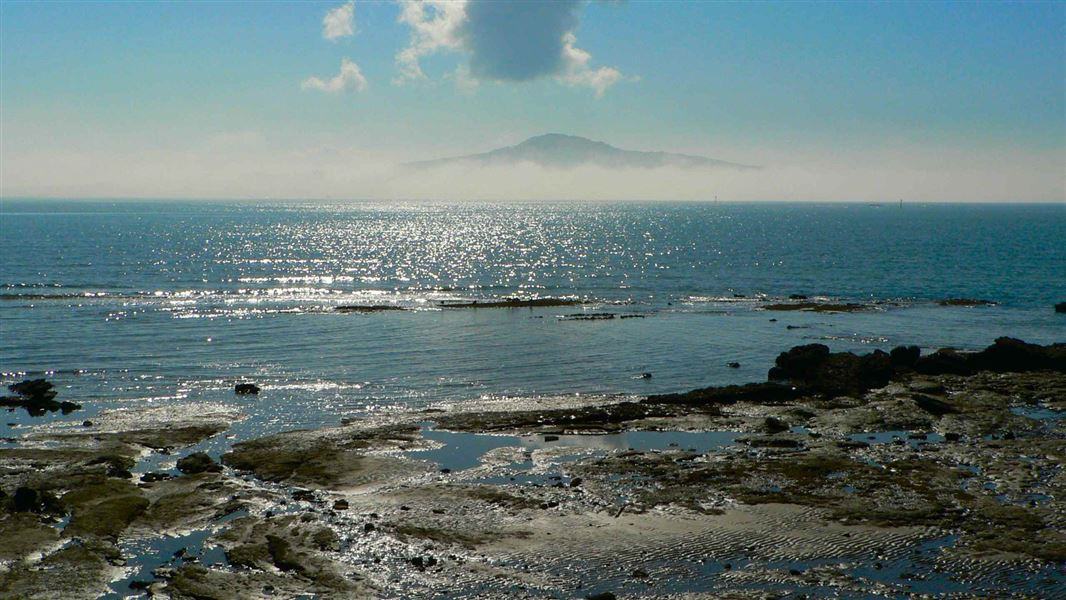
Rangitoto rises dramatically from the water just beyond the city, its broad volcanic profile a familiar sight across the harbour. The Department of Conservation calls it New Zealand's youngest volcano and a popular boating destination. Connected to Rangitoto by a causeway, Motutapu offers a different landscape with historic and recreational interest. Together they create an accessible island excursion for a well-equipped small boat, provided the skipper chooses a legal and safe landing point and respects current weather.
Those islands are also part of a high-protection marine area. The Department of Conservation explains that boating and anchoring are allowed in the Rangitoto and Motutapu High Protection Area, while recreational fishing is prohibited. Those distinctions matter: a place that permits an anchored picnic does not necessarily permit a fishing line over the side. Boundaries must be checked using authoritative maps and an updated plotter, rather than relying on an old chart or another boat's behaviour.
Waiheke for a gentler day ashore
Waiheke Island offers an appealing balance of beaches, walks and places to eat, making it a popular choice when friends and family want a boating day with several possible activities. Department of Conservation visitor information identifies Waiheke as suitable for boating, swimming, fishing and kayaking, subject of course to the rules applying in the particular area. The island's settled character contrasts with the more visibly volcanic Rangitoto, giving a flexible itinerary another dimension.
A skipper should choose the day's route from current forecasts and the side of the island offering suitable conditions, without assuming that a sheltered-looking beach will remain calm through an afternoon sea breeze. Local vessel traffic, swimmer safety, tender handling and berth arrangements still need thought. Once ashore, there is no requirement to race between attractions. A short walk, a proper lunch and time to enjoy the shoreline can make the outing more memorable than a crowded list of stops.
Motuihe, Motuora and Tiritiri Matangi
For boaters interested in wildlife and conservation, the Hauraki Gulf's pest-free islands offer something quite different from a conventional beach excursion. The Department of Conservation highlights Motuihe for swimming, white sand and native bush walks, while Motuora may offer chances to hear or see protected wildlife. Tiritiri Matangi is known for its conservation restoration and birdlife. Each island has its own visitor arrangements, facilities and biosecurity expectations, so they should not be treated as interchangeable anchorages.
Visitors are expected to arrive without hitchhiking pests or unwanted seeds. Before departure, examine bags, deck lockers, food containers and equipment for insects, rodents and soil, and follow the specific guidance for the island being visited. Dogs are prohibited on a number of conservation islands, including Rangitoto, Motutapu, Motuihe, Motuora and Tiritiri Matangi. The small inconvenience of extra checks is the price of keeping fragile island ecosystems safe for the next generation.
Kawau and Great Barrier beyond the quick circuit
Kawau Island brings a maritime and historical dimension, with the Mansion House and gardens recalling a different chapter of New Zealand's past. A visit can pair time on the water with a guided or self-directed land experience where access is permitted. Farther out, Great Barrier Island/Aotea has a wilder character and opportunities for walks and nature-focused stays. These are distinct propositions, and the greater distance or complexity of some passages should be part of the decision rather than an afterthought.
The Department of Conservation's island guide also points to places with stricter controls, including nature reserves for which landing permits are required. The fact that a destination appears in a cruising discussion does not constitute permission to disembark there. Skippers should research each specific island, landing and protected-water boundary before departure, then carry enough flexibility to abandon a shore call if conditions change. The most successful adventures often hinge on knowing when to turn back.
The new marine-protection rules
The Hauraki Gulf has undergone significant conservation changes, including the introduction of high-protection areas and seafloor protection areas. The Department of Conservation lists multiple protected sites around Auckland and the Coromandel and sets out different activities allowed in each. In high-protection areas, recreational fishing and collection are generally restricted, while boating may still be possible under particular conditions. Seafloor protection areas have another set of measures aimed at reducing damaging activity, so the label of a zone is not enough on its own.
Before fishing, gathering shellfish, diving or anchoring, consult current official marine-protection maps and notices as well as the chart plotter. The Department of Conservation recommends keeping electronic charts updated and checking conditions at water entry points. Protected areas may also impose restrictions on discharges or activities that a skipper would otherwise consider routine. A quick rules review during route planning is far easier than trying to work out a boundary with a fishing line already in the water.
Weather, tides and small-boat seamanship
Even the most familiar Auckland boating destination can feel remote when the wind rises or a tide turns against the intended route. The Department of Conservation specifically advises checking weather, wind and tides before visiting Rangitoto and Motutapu. That caution is relevant throughout the gulf, where an apparently manageable outward passage can change in character by the return leg. A reliable forecast, conservative fuel reserve and clear understanding of the boat's capabilities are more important than an ambitious itinerary.
Practical preparation includes current charts, approved safety equipment, an appropriate communications plan and a nominated contact ashore. The skipper should understand local navigation hazards, restricted zones and the needs of every passenger before leaving. Families with children or less experienced crew may prefer a shorter route with an early return while everyone builds confidence. Good seamanship is not an obstacle to spontaneity; it is what makes it possible to enjoy the day without needless stress.
Leave the islands as you found them
A conservation island can be easy to damage without intending to. Mud on footwear, seeds caught in a towel, food scraps left at a picnic spot or an unplanned landing can undo years of careful ecological work. The Department of Conservation asks visitors to check gear before departing the mainland and to follow island-specific rules. Keeping the vessel clean, taking rubbish home and using designated facilities are simple habits that help protect the coast.
A day on the Hauraki Gulf can be as modest as a few hours off Rangitoto or as ambitious as a properly planned voyage towards distant islands. The common thread is respect for the water and the people caring for it. Choose a destination suited to the weather, confirm permitted landings and protected-zone rules, and leave room for wildlife encounters that happen on their own terms. For small-boat owners, that combination of exploration and responsibility is what makes the gulf worth returning to.