
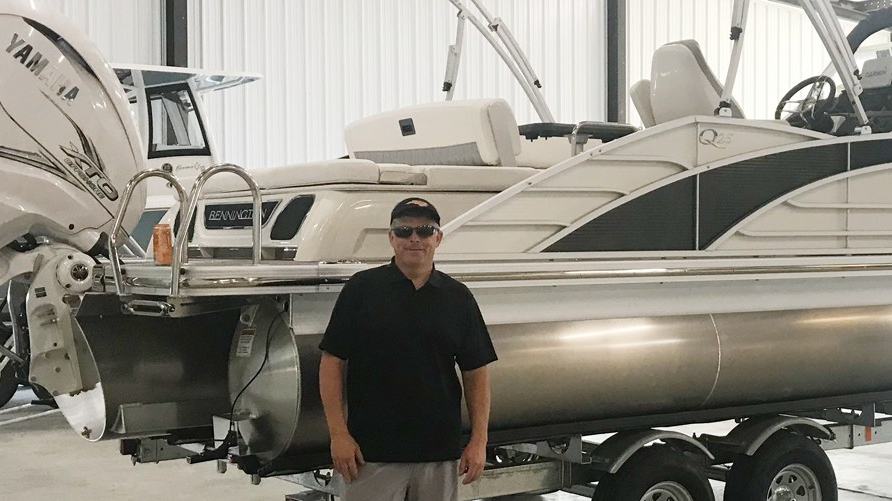
Yamaha Blue Life follows a fast Great Loop journey and the planning required to keep a long-distance small-boat trip moving safely.
The idea
The Great Loop links rivers, canals, lakes and coastal water around the eastern United States. Completing it quickly compresses a journey many crews normally spread across months.
Long-distance boating becomes an exercise in logistics as much as navigation. Fuel, locks, weather, overnight stops and maintenance all have to line up repeatedly.
Planning it well
A fast schedule does not remove the need for conservative decisions. Losing a day to weather is usually cheaper than turning a difficult forecast into an emergency.
Range calculations matter because fuel availability varies between stretches. A reserve should remain a reserve rather than becoming part of the normal plan.
Small details that matter
Small mechanical checks become daily habits on a trip of this scale. Fluid levels, filters, batteries and bilge systems are easier to inspect each morning than repair in an unfamiliar marina.
Crew fatigue is another practical limit. Long hours at the helm make rest and shared responsibilities part of the safety plan.
Why it works for LBG
For LBG readers, the story is inspiring because it proves ambitious cruising does not always require a large yacht. Preparation can matter more than size.
Most owners will never try to match 34 days, and they do not need to. The useful lesson is how organised planning can extend the range of an ordinary leisure boat.
Source
Yamaha Blue Life