
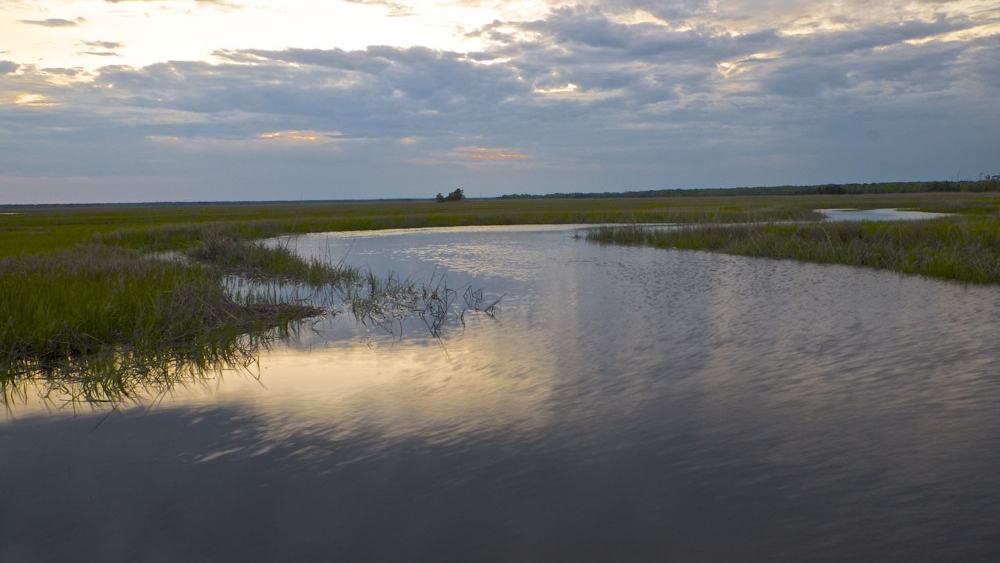
The Great Egg Harbor National Wild and Scenic River offers inland canoe routes and tidal estuary boating, with public access across the New Jersey watershed.
A river with two personalities
New Jersey’s Great Egg Harbor River is best understood as both an inland paddling destination and a tidal waterway. Its upper stretches wind through forested scenery, while the lower river opens toward marshes and waters affected by the Atlantic tide. That variety makes the river interesting to small-craft owners, but it also means a route suitable for a relaxed canoe outing may not resemble a motorboat excursion farther downstream.
The National Park Service identifies a network of public access points and stresses the importance of choosing a section that fits a visitor’s craft and abilities. For a first trip, deciding between a short inland float and tidal exploration is the most useful starting point. The craft, tide and retrieval plan should follow that decision.
The established inland canoe stretch
The park’s official visitor guidance identifies a roughly 22-mile canoeing section between Penny Pot County Park and Lake Lenape in Atlantic County. That is a substantial distance rather than a casual two-hour outing, so many paddlers will want a shorter itinerary. The National Park Service specifically notes Weymouth County Park as a potential intermediate access point that can reduce the length of the trip.
Exact paddling time depends on current, weather, stops and group experience. A driver or shuttle arrangement should be established before leaving the launch, with the destination and any alternative take-out agreed by everyone. Visitors should verify that the selected access is operating, that parking is permitted and that the route is appropriate for current water levels.
Moving into tidal territory
The lower Great Egg Harbor system supports a wider range of boating, with tidal channels, public ramps and marinas. Here, tide predictions and local navigation information become essential. A paddler who is comfortable on the upper freshwater river may encounter very different conditions downstream, including stronger flow, exposed water and greater interaction with powered traffic.
A small motorboat or centre-console can open additional possibilities, but shallow water and environmentally sensitive marshes demand restraint. Operators should study current charts and local rules, remain in navigable channels where appropriate and avoid damaging aquatic vegetation. The river’s protected status is part of its attraction, not a licence to travel wherever a hull will fit.
Access is part of the adventure
Great Egg Harbor is not a single park with one entrance and one car park. The National Park Service describes public access across county parks, state-managed areas and other properties. That distribution makes the watershed appealing for repeat visits, but it also increases the need for planning. A route must be tied to a specific, legal launch and a realistic way back.
The Warren E. Fox Nature Center near Mays Landing is identified by the park as a useful introduction to the river. It can provide a starting point for learning about the protected landscape, but a visitor should not assume it is itself the right boat launch for every trip. Confirm the boat access separately and respect local opening hours.
What to take in a small craft
A properly fitted personal flotation device for each person, weather-appropriate clothing and a reliable means of communication are the foundations of a sensible outing. Paddlers should also consider drinking water, sun protection, a dry bag and a map or navigation method that works without a mobile signal. The group’s plan should be shared with someone remaining ashore.
Those precautions are especially important if the intention is to explore a less familiar part of the watershed. Branching channels can be confusing, and a change in wind or tide may make the return journey longer than expected. A shorter, conservative first excursion is generally more valuable than trying to complete an ambitious distance without adequate preparation.
Wildlife deserves space
The protected river and its tributaries support habitats that help make a quiet paddle memorable. Birds, marsh vegetation and changes in the riverside forest are often more rewarding than high speeds. A canoe or kayak can be an excellent platform for observing these details provided the paddler maintains distance from nesting areas and avoids landing where access is restricted.
Visitors should pack out all rubbish and avoid disturbing wildlife or sensitive banks. Launching and landing require similar care, because repeated informal access can erode fragile shorelines. Responsible boating helps retain the qualities for which the river received its protected designation.
A day that suits the party
Families with relatively little experience may prefer a guided or shorter paddle, while an established group can make a fuller day of the inland route. Those seeking powered boating should choose a section designed for the draft and handling characteristics of their vessel. Mixing these different expectations into one improvised outing is rarely satisfactory.
Before departure, review the weather, tidal stage where relevant and the National Park Service’s latest access advice. Any children should be supervised according to the conditions and the craft being used. An enjoyable trip is one that allows everyone to finish with energy to spare, not one that becomes a test of endurance.
A freshwater-to-estuary discovery
The Great Egg Harbor provides an unusually rich small-boat destination because it changes character along its course. A calm upper-river canoe day, a different launch among the county parks and a carefully planned tidal outing can each offer a separate experience without abandoning the same broader watershed.
The best plan begins with the official National Park Service access information and a clear understanding of the chosen section. Conditions and local permissions may change, and each trip deserves a fresh check. With that care, this New Jersey river offers the kind of varied, low-key discovery that makes leisure boating rewarding.