
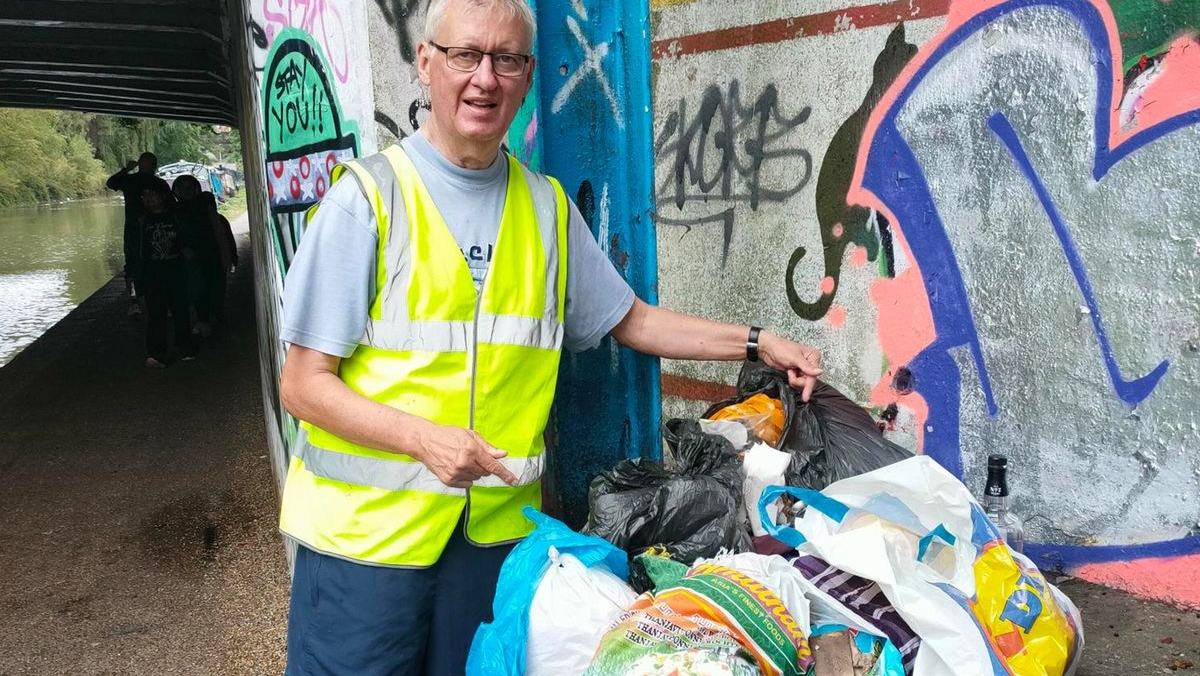
Three residents in Perivale have become an example of how regular local action can improve a much-used canal corridor. The Canal & River Trust's September 2026 account introduces Jim, Frances and Monique, who clear rubbish along roughly three hundred metres of the Grand Union Canal towpath between Piggery Bridge and Ealing Road Bridge.
A recurring Saturday routine in West London
Three residents in Perivale have become an example of how regular local action can improve a much-used canal corridor. The Canal & River Trust's September 2026 account introduces Jim, Frances and Monique, who clear rubbish along roughly three hundred metres of the Grand Union Canal towpath between Piggery Bridge and Ealing Road Bridge.
Their effort is notable precisely because it is small-scale and repeatable. Large national campaigns can attract attention for a few weeks, but waterways need care after every busy weekend. A short, familiar stretch of towpath is an achievable responsibility for a small group of volunteers who know where litter gathers.
The reality behind an apparently tidy bank
The Trust describes litter including food wrappers, cans, plastic packaging and bags entangled in vegetation. Volunteers also encounter more unusual dumped objects that cannot always be moved safely by hand. The Perivale group typically meets on Saturday mornings and collects around ten bags of rubbish between them.
The group’s experience reflects a broader challenge across the canal system. The charity estimates that approximately half a million pieces of litter are present beside towpaths at any one time, with the cost of litter and fly-tipping management exceeding £4 million annually. These estimates are system-wide indicators rather than a count for Perivale.
Why a volunteer's local knowledge matters
Regular volunteers notice repeat problems, including overflowing bins, dumping sites or floating debris that collects against the same bank after rain. That continuity can make a small group especially valuable to professional maintenance teams. It also creates relationships among neighbours who might otherwise use the canal without meeting one another.
People who want to join a clean-up should work with an organised group where possible. Gloves, appropriate litter pickers and careful disposal are important, while needles, chemicals or heavy objects should be reported rather than handled casually. No litter pick is worth a fall into the water or a serious injury.
A towpath shared by people and wildlife
The Grand Union Canal is a place for walkers, boat crews and urban wildlife as well as an industrial-heritage route. Leaving it clean improves everyday enjoyment and reduces the risk that discarded materials harm animals. Clean-ups do not remove the need for adequate public waste services, but they help keep local communities engaged with the environment around them.
For Leisure Boat Guide readers, the Perivale volunteers provide a useful example of waterside stewardship. A boat trip may last only a day, while residents live beside the route all year. Respectful behaviour afloat, sensible rubbish disposal and support for local clean-up groups can help protect that shared setting. Regular clean-ups can also be a welcoming introduction for someone new to the neighbourhood, providing a shared purpose without demanding extensive equipment. A little consistency can achieve more than an occasional high-profile event.
Source
Canal & River Trust