
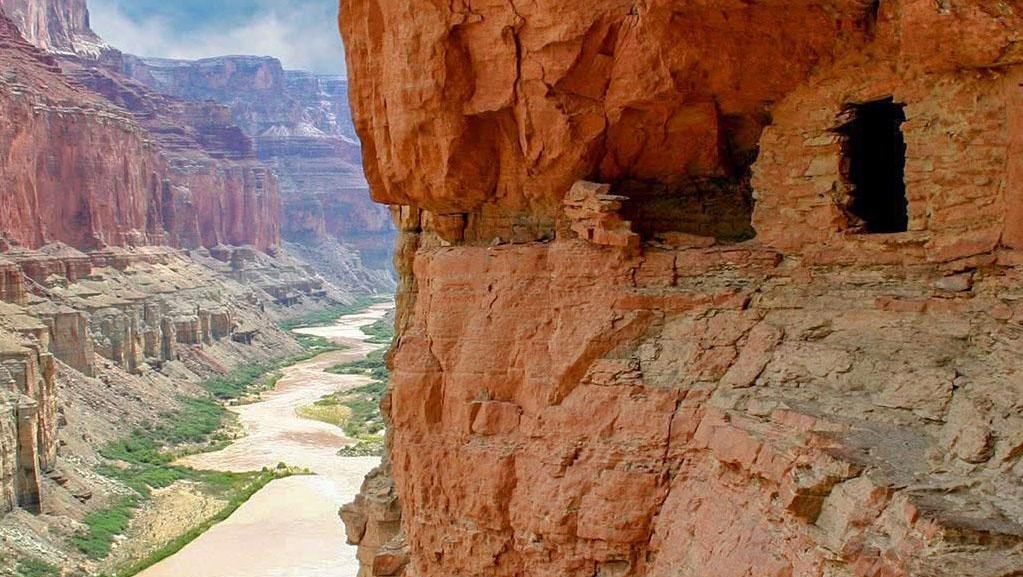
Colorado River trips through the Grand Canyon range from guided adventures to permit-controlled private expeditions. The route and launch rules determine the journey.
A river journey, not a casual boat hire
The Colorado River passes through the Grand Canyon in one of the world’s most demanding and celebrated river landscapes. From a raft, the canyon becomes a moving sequence of cliffs, beaches, rapids and long stretches without road access. It is tempting to think of this simply as a spectacular scenic excursion, but the National Park Service manages several fundamentally different types of river trip. The distinction between guided and private journeys determines permits, equipment, duration and the level of experience required.
For many visitors, joining an authorised commercial river operator is the practical route into the canyon. Such operators provide professional guides and organised equipment for trips of different lengths. Booking often needs considerable advance planning, especially for popular seasons. Passengers still need to be physically and mentally prepared for long days outdoors, camping conditions and demanding river transport. A commercial booking reduces technical responsibility but does not eliminate the inherent risks of wilderness whitewater.
The NPS distinguishes the famous Lees Ferry-to-Diamond Creek journey from shorter trips in the lower part of the canyon. Motorised and nonmotorised routes differ in pace, and options using Phantom Ranch access require special planning. The exact segment and trip length should be selected first; equipment, group composition and expectations follow from that decision. A day trip on a comparatively smooth section is not equivalent to a multi-week expedition through major rapids.
Commercial journeys and the long canyon passage
The park describes commercial Lees Ferry-to-Diamond Creek trips lasting roughly three to eighteen days, depending on operator, craft and itinerary. Professionally guided raft tours can be reserved well ahead of departure, and some travellers book a year or more in advance. An operator should explain what is included, the sleeping arrangements, exposure to sun and water, medical expectations and any hike that forms part of a half-canyon option. Read that information carefully instead of choosing solely on a photograph of the rapids.
Powered rafts can cover the canyon differently from oar-powered craft, but neither removes the reality of remoteness. Many miles separate road access points, and a minor medical or equipment difficulty can become complicated. Visitors should understand that a river trip may include long periods without a reliable phone signal. Essential medication, suitable river clothing and a realistic assessment of health and mobility are part of an informed booking decision.
The agency also lists one-day commercial options on smoother sections of the Colorado River, which may suit people who want a river experience without an extended wilderness itinerary. Those excursions take place on different reaches and do not provide a shortcut to the major whitewater sections. Confirm the advertised launch, return transport, level of rapid difficulty and actual time on the water. A short trip is valuable in its own right when it matches the visitor’s comfort and available time.
Private rafting means a permit and major preparation
Noncommercial trips are not simply commercial trips without a paid guide. The National Park Service requires permits and divides opportunities by river segment. For Lees Ferry to Diamond Creek, self-guided trips commonly run for twelve to twenty-five days, with permits allocated through a weighted lottery. A group therefore needs to secure permission long before organising transport, food, equipment and crew. The permit is a hard planning requirement, not a formality completed on launch morning.
The park also describes shorter private trips from Diamond Creek towards Lake Mead, generally two to five days, with a different first-come permit system opening in advance. These routes are geographically and operationally distinct from launching upstream at Lees Ferry. Participants must check the precise launch and take-out rules, including any separate access arrangements, before committing to a route. Do not confuse two permit systems because both involve the Colorado River in the broader Grand Canyon area.
Self-guided parties need capable river leadership, emergency communications, whitewater rescue skills, carefully inspected boats and a plan for medical emergencies. Food, drinking-water treatment, waste management and camping gear become critical expedition systems rather than conveniences. Conditions can be extreme in both heat and cold. A person who has only paddled gentle lakes should seek qualified training and an experienced crew before treating this environment as a place for independent experimentation.
Keep conservation and group safety central
The canyon’s side beaches, fragile soils and cultural places deserve careful treatment. Follow every park rule for camp locations, waste removal and resource protection, and never take artefacts or damage vegetation. If the crew visits a side canyon, the outing needs its own timing and safety assessment. A river camp is not an unlimited base for wandering; flash floods, steep terrain and sudden weather changes can turn an informal walk into a dangerous excursion.
Prepare for a wide range of weather and water conditions. In a rapid, a properly fitted life jacket and instruction from an experienced guide or trip leader are essential; after a swim, fast moving current may make self-rescue difficult. Even in quiet water the group must manage sun, fatigue and dehydration. The Grand Canyon journey is often described in terms of its most dramatic waves, yet ordinary attention to camp routines and passenger welfare is equally important.
The best Grand Canyon river trip is the one that matches the group’s skills, time and willingness to live simply away from the road. Choose an authorised commercial itinerary if an organised journey fits the circumstances, or begin the private permit process only with the required expertise and resources. Study the NPS route-specific guidance and current river alerts, then build the trip around safety and conservation. The canyon provides enough drama without cutting corners.
Primary planning source: National Park Service Grand Canyon river trips and permitting guide. Consult the original National Park Service guidance and current notices before departure.