
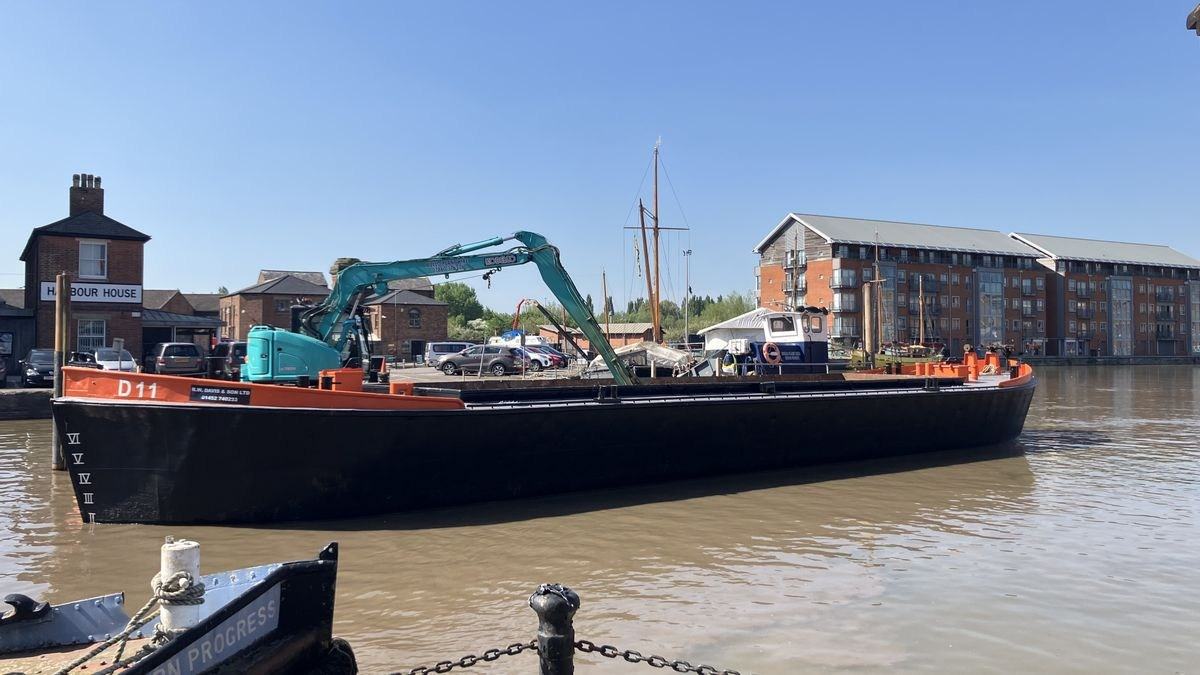
The Canal & River Trust has doubled its planned dredging investment at Gloucester Docks to £4 million following concern about silt building up in the historic harbour. The additional £2 million was announced on 28 September 2026, with work expected to begin on 5 October. The Trust says the programme is intended to restore operational depths and help keep the docks usable for boaters and waterside businesses.
A historic waterfront facing a practical challenge
The Canal & River Trust has doubled its planned dredging investment at Gloucester Docks to £4 million following concern about silt building up in the historic harbour. The additional £2 million was announced on 28 September 2026, with work expected to begin on 5 October. The Trust says the programme is intended to restore operational depths and help keep the docks usable for boaters and waterside businesses.
For visitors, Gloucester Docks combines a working boating environment with industrial heritage, places to eat and connections to the wider canal network. Siltation is more than an engineering detail here: insufficient depth can make passages difficult for visiting vessels and affect the character of an active waterfront.
Why silt has become more problematic
The Trust attributes exceptional recent accumulation partly to prolonged dry conditions, low river flows and high tides that carry fine sediment into the basin from the River Severn. The issue has prompted complaints from owners, businesses and residents, leading to a broader plan than originally expected.
Dredging cannot be judged solely by the amount of material removed. Operators need to balance safe working areas, environmental considerations and the ability to maintain adequate navigation depths over time. The charity says it will also investigate ways to reduce sediment entering the docks in future rather than depend entirely on repeated clearance.
A destination with two centuries of history
Gloucester Docks is marking its bicentenary, making the renewed investment particularly timely. The basin's historic warehouses and waterside setting are an important part of the city's identity. Travellers arriving on a narrowboat or other suitable craft experience a different side of Gloucester from visitors who reach the centre by road.
That opportunity depends on the condition of approaches, locks and moorings. Boaters considering a visit during the works should check navigation notices, available depths and any restrictions before planning a route. A restored waterway is useful only when users can obtain reliable operational information.
Planning a future waterside visit
The Trust has indicated that the additional spending will require reallocation from its wider programme, underlining the pressure of maintaining an ageing network. Local authorities and business partners may also have a role in considering long-term priorities for the docks and canal.
For a family outing, the docks can be enjoyed from shore as well as by boat, though dredging activity may affect parts of the waterfront. Visitors should distinguish a capital works programme from a completed improvement and verify present access. The announcement is an encouraging commitment to a place where working boating and heritage tourism depend on each other.
Source
British Marine