
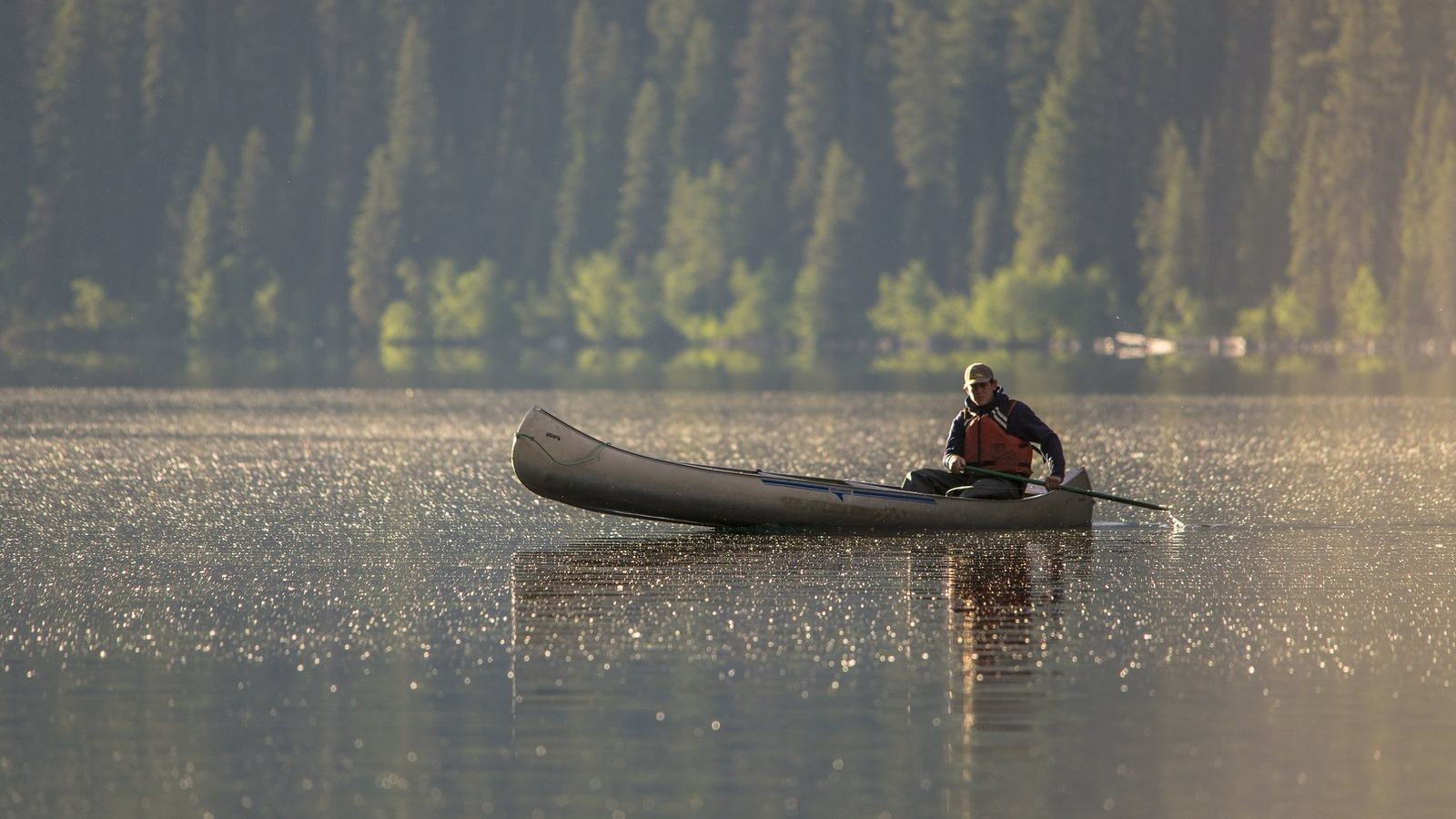
Boating on Glacier National Park lakes in Montana requires advance knowledge of inspection, permit and motor restrictions, with cold water an important risk even in summer.
The mountain view feels different from a canoe
Glacier National Park is known for dramatic peaks and clear lakes, and travelling close to the water offers an intimate view of the landscape. The experience can be quieter than a crowded roadside overlook, with reflections and changing light rewarding a patient paddler. That tranquillity should not be mistaken for an easy or risk-free outing.
The water in a mountain lake can remain cold through warm summer weather, and wind may change the conditions more rapidly than a first-time visitor expects. A memorable boating day therefore begins with a careful choice of lake, craft and weather window rather than with an ambitious route.
An inspection comes before launching
The National Park Service requires all watercraft launched within Glacier to be inspected for aquatic invasive species. Vessels must be found clean, drained and dry, and the required free permit must be obtained before use. These requirements apply to small paddlecraft as well as larger boats, making them important even for someone bringing only a kayak.
An inspection is not a formality to complete after reaching the shoreline. A visitor should find the available inspection station and its operating hours before travelling with the boat. If inspection facilities are closed, a previously planned launch may not be possible, which is why a flexible itinerary can save frustration.
Motorboats have limited destinations
Private petrol-powered motorboats are prohibited on many park waters. The National Park Service identifies only certain lakes, including Lake McDonald, St Mary Lake, Two Medicine Lake and Bowman Lake, where private gas-powered motor use may be permitted subject to park rules.
Those exceptions should not be treated as universal permission for every craft or season. Limits, inspections and closures remain relevant, and a canoe or kayak may be the more appropriate choice on other waters. Owners should verify the restrictions for their specific intended lake rather than assume a rule that applies at one boat ramp applies across the park.
Cold water changes the consequences of a capsize
A canoeist may choose a quiet route because it looks safe from shore, yet immersion in a glacial lake can affect breathing and movement quickly. Wearing appropriate flotation is essential, and clothing should reflect water temperature and exposure as well as the air forecast. A sunny day is not evidence that swimming or self-rescue would be comfortable.
Paddlers should understand how to return to the boat or reach safety if it overturns. The ability to perform those actions is especially relevant on lakes where a shoreline may be far away or difficult to land on. Beginners can reduce risk by staying closer to suitable access points and seeking qualified guidance.
Choose a route that fits the group
A short outing on a sheltered section of a lake may offer a richer experience than a long crossing with little opportunity to stop. Look at distance, shoreline access and likely afternoon winds before estimating how much time the trip will take. The slowest paddler should influence the turnaround point.
Before leaving, agree what would prompt the group to return early. Increasing waves, tiredness or unexpected difficulty launching are all sound reasons to change the plan. The lake will still be there another day, while persistence in unsuitable conditions can turn a pleasant outing into a dangerous one.
Care for the headwaters
Glacier lies at the headwaters of several major watersheds, making the prevention of invasive species especially important. A small amount of retained water in equipment or a fragment of plant material can cause problems if transported to another lake. Park inspections form one part of a wider responsibility shared by boat owners and paddlers.
After every trip, remove debris, drain any compartments and dry equipment in accordance with the park's guidance. Do not move a wet kayak or fishing gear straight from one waterbody to another without considering the risk. Environmental care is not separate from boating skill; it is part of operating responsibly.
Seasonal operating dates matter
Glacier's boating season and inspection arrangements differ between areas and years. The official guidance identifies separate dates for waters east and west of the Continental Divide, with some locations closing earlier than visitors might expect. The current season schedule should always be checked before booking transport or accommodation around a launch.
A boat owner arriving late in the season may find the scenery attractive but the permit system or access arrangements unavailable. Travellers can avoid disappointment by building the boating element around confirmed operating dates rather than assuming that a park accessible by road remains open for every water activity.
Rentals and guided alternatives
Not everybody needs to transport a personal craft into the park. In some locations, authorised operators may provide trips or rental opportunities subject to current arrangements. Visitors should confirm where an activity takes place, what equipment is included and which restrictions apply to the specific route.
Guided sessions can be particularly useful for guests unfamiliar with cold lakes or the local weather. A guide may help select a realistic itinerary and interpret conditions, although participants still need to follow instructions and use suitable safety equipment. Reserving ahead is sensible when availability depends on seasonal demand.
Photography without compromising navigation
The changing reflections of mountains on the water create obvious opportunities for photographs. The person responsible for steering should not operate a camera while crossing a busy area or coping with gusts. If the group wants a longer pause, find a suitable location where boats can remain controlled and other visitors can pass safely.
Wildlife may be visible on the shore, but approaching animals to obtain an image is inappropriate. Keep a respectful distance and follow the park's wildlife guidance. Part of Glacier's appeal is the chance to experience an intact landscape without disrupting what lives there.
The final checks before a Glacier lake outing
Verify park alerts, access roads, inspection stations, permit arrangements, seasonal dates, local weather and equipment requirements. Carry suitable drinking water, clothing and emergency communication, and let someone ashore know the general plan. A carefully prepared short paddle can deliver the experience visitors hope for without unnecessary exposure.
Glacier's lakes are rewarding precisely because they feel different from an everyday marina. Their clarity and mountain setting deserve respect for the rules intended to protect them. Choosing a suitable craft and following the inspection process helps preserve that experience for the next group of visitors.
Source
National Park Service