
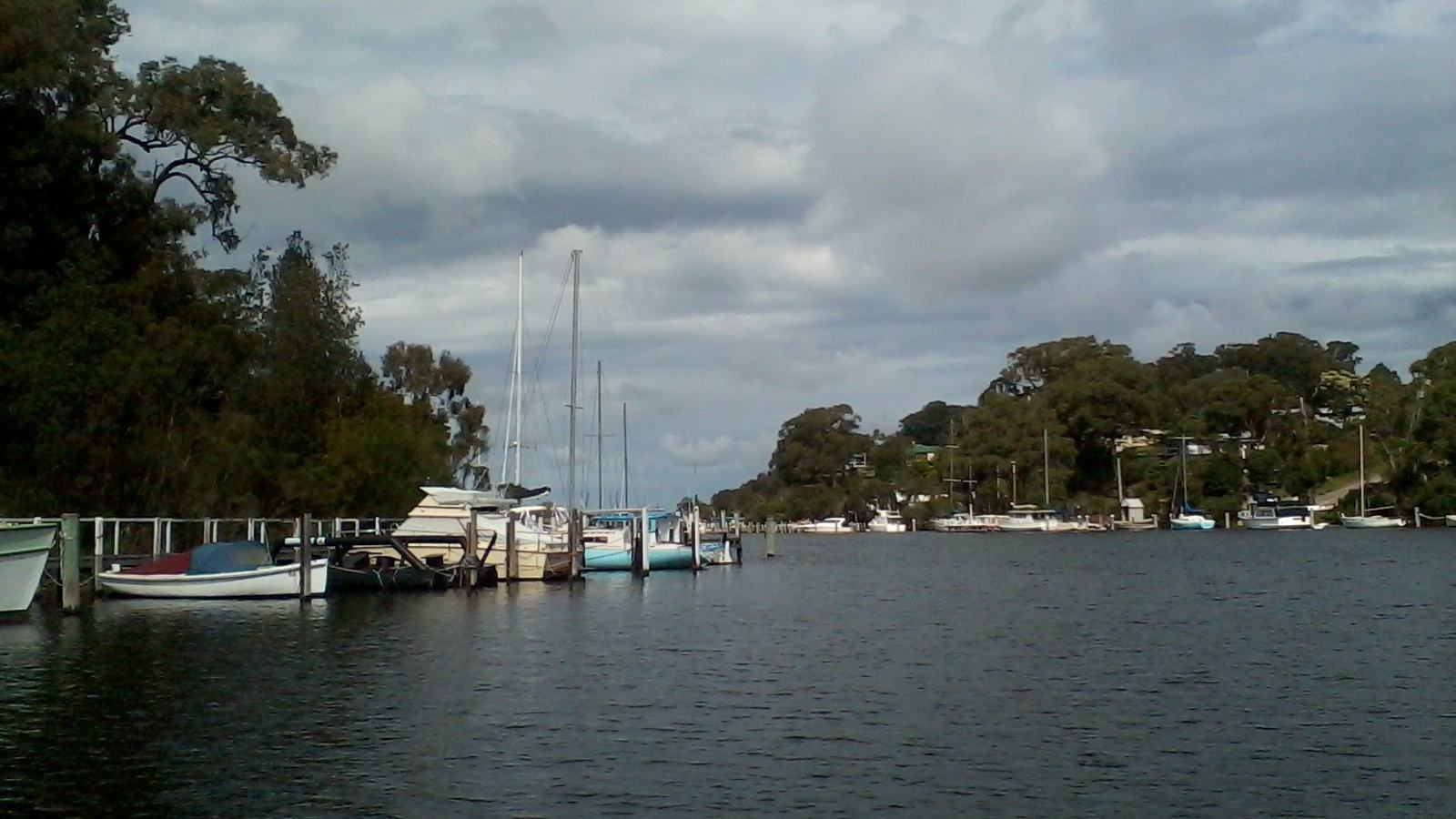
Explore Victoria's Gippsland Lakes by small leisure boat, from the waterfront villages of Metung and Paynesville to Bunga Arm, with practical guidance from port and parks authorities.
A wide inland-waterway escape
The Gippsland Lakes in eastern Victoria make an appealing change from an open-sea day aboard a compact leisure boat. A network of lagoons, rivers, villages and sheltered edges sits behind the long coastal dunes of Ninety Mile Beach. Gippsland Ports describes port waters extending across roughly 420 square kilometres, incorporating Lake Wellington, Lake Victoria, Lake King and the lower reaches of several rivers. That size creates choice, but also deserves respect: a lake can look gentle from a waterside café while wind across an open reach builds uncomfortable chop for a light dayboat. The best approach is to plan a modest route and regard the outing as a series of waterside experiences, not a race to cover the whole system. This guide focuses on recreational craft under 12 metres and draws on the information published by Gippsland Ports and Parks Victoria.
Choosing a starting village
Paynesville, Metung and Lakes Entrance are recognisable starting points, each with a different relationship to the water. Paynesville offers access to the central lake network and the shores around Raymond Island. Metung has an intimate village-and-marina atmosphere and is a natural place to pause ashore. Lakes Entrance is associated with the channel to Bass Strait, so its surroundings require particular attention to navigation, traffic and conditions. Gippsland Ports also identifies Sale, Bairnsdale and other towns as gateways to the region. The decision should be based on the desired day's route, available ramp, vehicle parking and local weather, rather than simply choosing the largest stretch of blue on a map. Confirm current access arrangements before towing a boat across Victoria, especially when holidays and waterfront works affect capacity.
The pleasure of a small-boat pace
A modest motorboat can explore a waterfront at a scale that larger vessels sometimes miss. Keep speed conservative near jetties, observe posted controls and allow time to identify landing places. A boat with a shallow draft offers flexibility, but that is not permission to cross any unmarked water. Gippsland Ports specifically warns that shallow areas are not all identified by navigation aids. The port recommends the Gippsland Lakes Boating Guide for newcomers and advises carrying a compass, building local knowledge and avoiding night navigation. Such advice is important because water colour and the apparent width of a channel can be misleading. A reliable chart or approved electronic navigation source should be the starting point, with visual marks used to confirm rather than replace the planned passage.
Metung: stopping rather than merely passing
Metung rewards a slower approach. The appeal of a small boat is the possibility of pausing at a village jetty, stepping ashore for a walk and returning without the logistics of a large cruising yacht. However, a public jetty is shared infrastructure, not a private parking space for the day. Gippsland Ports notes that casual berths are available around the lakes and that time limits apply to public destinations. Read the local sign, keep a suitable lookout for other boats and prepare lines and fenders before entering the landing area. If the preferred space is occupied, have an alternative rather than circling in confined water. A relaxed itinerary should include enough spare time to find a lawful berth and enjoy the village without rushing back to the boat.
Paynesville and a shore visit
Paynesville is another useful base for a family day on the lakes. Parks Victoria highlights the nearby Raymond Island experience, accessible to visitors by ferry, with opportunities to see koalas along a land-based trail. That can make a boating outing appealing to relatives who want a break from sitting in the cockpit. It is important to separate an official ferry trip from assumptions about landing a private craft: ferry terminals and operational access points are not automatically visitor moorings. Choose a permitted berth for the boat and then use the public visitor arrangements. This simple distinction avoids interfering with local transport. The wider lake setting also offers birdlife, sheltered shorelines and changing light that reward a camera more than another unnecessary burst of throttle.
Bunga Arm and the coast beyond
One of the area's distinctive destinations is Bunga Arm, described by Parks Victoria as a boat-accessible reach between lake water and the dunes facing Bass Strait. The landscape is part of the draw: tranquil inland water on one side, an exposed ocean coast not far away on the other. Parks Victoria describes boat-based camping opportunities and picnic areas, including named places such as Ocean Grange and First Blowhole. Those facilities should be checked for present booking rules, access conditions and restrictions before a visit; this article is not a substitute for a current park notice. A dayboat party can enjoy a walk or picnic without trying to turn the stop into an improvised overnight camp. Keep a conservative timetable, particularly if the return passage crosses open lake water later in the afternoon.
Wildlife is part of the reason to slow down
The lakes and nearby protected areas provide habitat for birds and other wildlife, which makes observation a central part of the experience. Parks Victoria draws attention to threatened little terns and fairy terns that use beaches and sand islands for breeding, particularly through warmer months. Small craft can cause disturbance when crews beach on sensitive ground or approach wildlife too closely. Follow protected-area signs, avoid nesting locations, control noise and keep dogs away where restrictions apply. Seals and dolphins may also be seen in the region, but their appearance is never guaranteed and should not be sought by chasing animals with a motorboat. A successful encounter is often one in which people watch quietly from a respectful distance. Leave the shoreline as it was found and take rubbish back aboard.
How to use local navigation information
The port authority identifies official chart references and the local vessel operating and zoning rules applicable to Gippsland Lakes. It also explains the buoyage system used in regional ports. A visitor should work through those documents before arriving rather than trying to learn the details while approaching a junction. Importantly, the direction of buoyage is defined from the seaward entrance; a colour viewed in isolation is not sufficient to decide which side to pass. Confirm the direction of travel and the charted channel. Harbour and channel information may change because of maintenance or natural movement of sediment, so current local notices should take precedence over a guide prepared months earlier. This is especially relevant for trailer-boat owners unfamiliar with the area.
Getting the boat and crew ready
For a small runabout, a good Gippsland Lakes day starts on land. Check the trailer tyres, bearings and lights, and confirm the ramp's suitability for the boat and towing vehicle. Carry the correct safety equipment for the waters and jurisdiction, current weather information and enough fuel to complete the return passage with a margin. Do not assume a mobile phone will provide dependable communication everywhere. Know how to use the primary navigation and communications equipment, and tell someone ashore the intended plan and latest return time. In the boat, secure picnic equipment and spare clothing so it cannot shift in chop. Crew comfort matters: shade, drinking water and a dry layer can turn a long afternoon into a pleasant outing.
A flexible one-day itinerary
A sensible first visit might begin at a verified public ramp near the chosen base, include one short village landing and reserve the remainder of the day for a sheltered scenic reach. From the Metung area, for example, it is tempting to add every nearby attraction, but distance on a chart is only part of the calculation. Wind, time spent finding a berth, a family meal and a slow approach to wildlife all extend a trip. Build in a turning point: if conditions worsen or the schedule slips, make the first stop the last and return early. A second day could focus on a different part of the network, or on Bunga Arm if weather, permissions and the crew's experience are suitable. Splitting the trip often produces a richer holiday than trying to cover all three major lakes in one outing.
The responsibilities of visiting boaters
Small-boat freedom depends on considerate use of shared places. Keep clear of ferry and commercial movements, avoid making excessive wash near other craft, never occupy a signed short-stay jetty beyond the permitted period and use proper waste facilities. Waterways that seem remote can be part of a managed port, a living cultural landscape and protected habitat at the same time. Parks Victoria explains the involvement of Gunaikurnai Traditional Owners in the management of local parks and reserves; acknowledging that relationship is part of visiting thoughtfully. Obtain current fishing, camping and park guidance from the responsible authorities if those activities are on the itinerary. None should be assumed permissible simply because a bay appears empty.
Making the most of the lakes
The strongest argument for Gippsland Lakes is variety rather than speed. A small leisure boat can connect a morning on open water with a café stop, quiet reeds, picnic ground and a view towards the coast. The official sources make the limits clear as well: the system is large, sections are shallow and public jetties have rules. For an owner bringing a boat for the first time, careful preparation creates room for spontaneity later. Check the latest Gippsland Ports boating material and Parks Victoria notices, choose a manageable stretch and let the day's weather determine how ambitious the route should be. With that approach, the lakes become a memorable small-craft holiday rather than a test of endurance or navigation luck.
Sources and picture credit
Official guidance: Gippsland Ports and Parks Victoria's Gippsland Lakes Coastal Park. Photo: Boat Jetties near Metung by Kim Carter, CC BY-SA 3.0, resized without cropping. Site conditions, berth availability and rules may change.
