
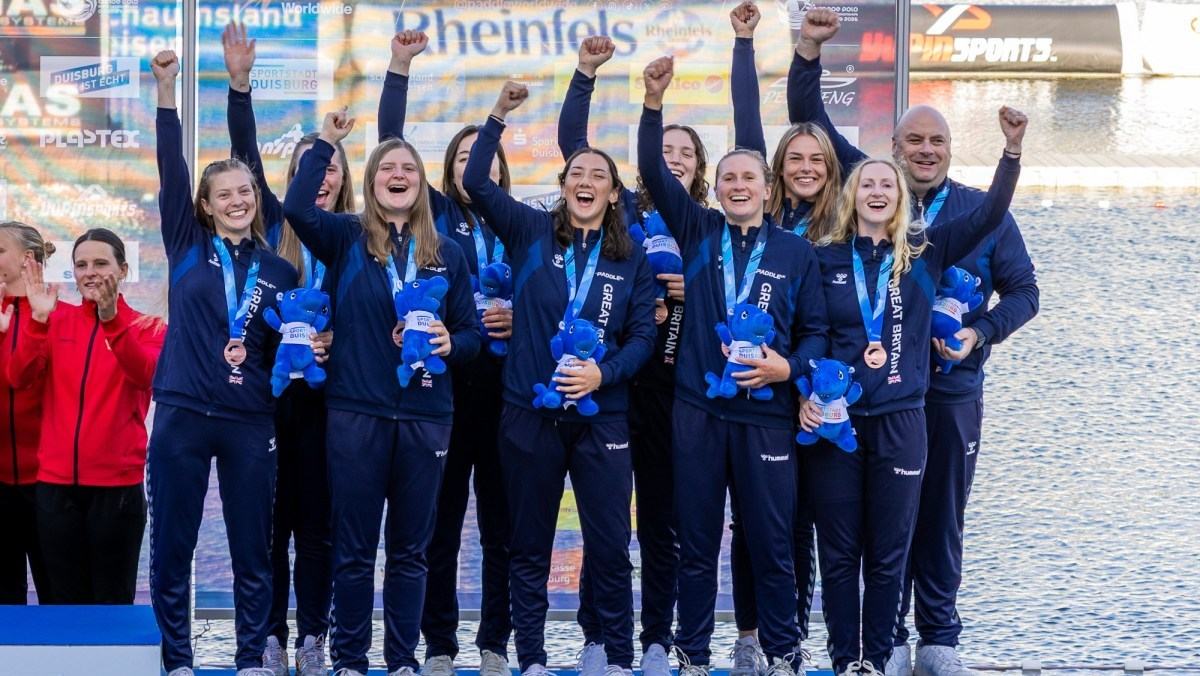
Great Britain's senior women's canoe polo team secured a bronze medal at the 2026 World Championships in Duisburg, Germany, defeating Poland 4–3 after extra time on 5 October. The decisive goal was scored by co-captain Sara Hanao-Madden after a prolonged period of sudden-death play. The result offered a compelling demonstration of teamwork, endurance and precision in a watersport that remains unfamiliar to many recreational paddlers.
A dramatic medal match on the water
Great Britain's senior women's canoe polo team secured a bronze medal at the 2026 World Championships in Duisburg, Germany, defeating Poland 4–3 after extra time on 5 October. The decisive goal was scored by co-captain Sara Hanao-Madden after a prolonged period of sudden-death play. The result offered a compelling demonstration of teamwork, endurance and precision in a watersport that remains unfamiliar to many recreational paddlers.
Canoe polo combines close-quarters kayak handling with passing, positioning and attempts to score in suspended goals. The confined playing area creates a different challenge from touring or whitewater paddling, though confident boat control remains central to the sport.
A demanding path through the tournament
The British team had progressed through the group stages before drawing 2–2 with Italy and beating the Netherlands 2–1. A 5–2 semi-final defeat against hosts Germany left the team contesting bronze against Poland. The medal match then moved into extra time, with the final score decided by one goal.
The sequence illustrates why a championship cannot be measured by a single result. Teams must manage fatigue, adapt tactics and recover emotionally from disappointment before returning to competition. For young club players, the ability to remain organised under pressure may be as useful a lesson as any particular attacking technique.
The appeal of a fast-moving paddle sport
Canoe polo demands balance, rapid changes of direction and communication between players. Participants wear protective equipment suited to the sport, and games are governed by dedicated rules. It can offer kayakers who enjoy team activities a progression beyond individual recreational paddling, though newcomers should begin with suitable coaching.
A polo kayak is not simply a touring boat used in a different setting. The hull, equipment and movement around other players are designed for competitive play. Clubs provide opportunities to learn the basics in controlled conditions, and prospective participants should ask about appropriate swimming ability, buoyancy and supervision requirements.
Bronze as a foundation for the next season
Paddle UK reported that the result exceeded some of the team's expectations going into the tournament. International medals can bring attention to the athletes and the supporting club network, although that does not automatically translate into a sudden increase in local participation. Coaches and volunteers need facilities and introductory sessions to turn interest into opportunities.
For Leisure Boat Guide readers, the significance is a fresh British international result in a sport that brings paddling and team competition together. The October account records a completed championship, not a future event. Anyone curious about trying canoe polo should contact a local affiliated club for a structured first session.
Source
British Marine