
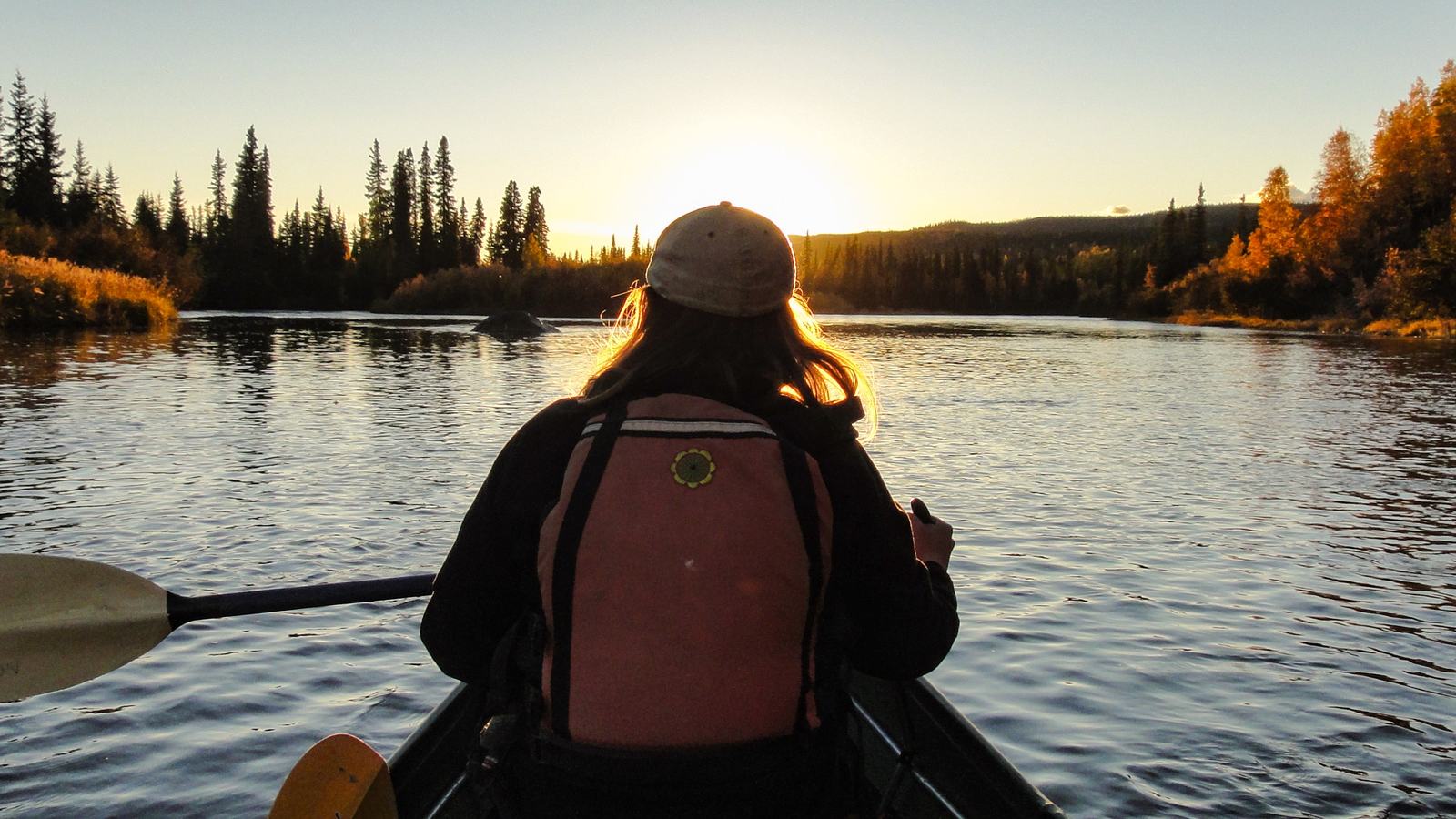
Alaska’s Gates of the Arctic offers wild-river journeys by packraft or inflatable canoe, but the absence of roads and services makes them serious expeditions.
An entirely different kind of boating
Gates of the Arctic National Park and Preserve in Alaska is an extraordinary place for experienced wilderness travellers, but it should never be approached as a conventional leisure-boat destination. The National Park Service describes a huge landscape without roads, established trails or visitor services inside the park. Rivers become natural travel corridors through mountains, valleys and tundra, offering a sense of remoteness that few places can match.
That remoteness comes with responsibility. A small inflatable boat may be convenient to transport, but its owner must possess the skills to navigate cold and changeable river conditions far from ordinary assistance. For an inexperienced paddler, the correct way to appreciate this destination is to seek qualified guidance or choose a different experience.
Why collapsible craft matter
The National Park Service notes that river journeys here commonly use rafts, inflatable canoes and packrafts. These boats can be packed for small-aircraft transport in a way that many rigid craft cannot. The choice is driven by Alaska’s access realities rather than by fashion, and the precise equipment must suit the intended river and group.
Air taxi operators may impose strict loading limits and may be unable to transport larger boats. Travellers need to confirm the craft, bags, fuel arrangements where relevant and all essential equipment with their operator well before departure. A missing component cannot simply be replaced at a nearby marina once the trip has begun.
Arrival begins well outside the park
Most visitors enter the region through a combination of scheduled travel and small-aircraft transfers from Alaska’s gateway communities. Routes and pickup locations depend on the intended river and weather conditions. The National Park Service emphasises the possibility of delays and encourages visitors to carry extra food and develop backup plans for a longer-than-expected stay.
A flight schedule should never be treated as a guarantee of extraction at a precise hour. Weather can prevent aircraft from landing, and a group may need to remain self-sufficient for additional days. Expedition planning therefore begins with a realistic contingency budget in time, supplies and communication capabilities.
The river sets the pace
Wild rivers in the Brooks Range can vary in character, with glacial valleys, more confined channels and conditions that change with temperature and precipitation. A route that looks straightforward on a map may contain unfamiliar hazards or difficult access. The National Park Service does not provide a universally safe river itinerary that replaces local research and competent judgement.
Experienced crews should consult current park information, suitable maps and specialist local operators. River selection must reflect actual whitewater competence, group endurance and available rescue skills. A boat that is light enough to carry into a wilderness setting is not automatically capable of handling every water condition found there.
Cold water and isolation
Cold immersion is a critical consideration in northern Alaska. Suitable protection, practiced rescue procedures and conservative decision-making are fundamental, not optional extras. The park warns that cellular coverage is absent and other communication options can be limited. Travellers should have an appropriate emergency plan and know the limitations of every device they carry.
The group also needs to be capable of managing first aid, shelter, food storage and unexpected delays without outside help. No article can replace expedition-specific training or professional assessment. People who have only paddled warm, sheltered waters should not use a scenic photograph as the basis for attempting a journey of this kind.
Wildlife and the fragile landscape
The rivers pass through ecosystems where human presence is comparatively light. Wildlife encounters are possible and deserve distance and respect, particularly around bears and other large animals. The National Park Service provides guidance on food storage and minimum-impact travel that every group should study before departure.
The absence of developed facilities makes Leave No Trace principles especially important. Camps should be chosen carefully, waste managed responsibly and wildlife left undisturbed. A successful trip is not merely one that reaches its planned endpoint; it is one that leaves the river corridor in the condition that made it worth visiting.
An expedition rather than a holiday booking
For experienced paddlers, the planning can be part of the appeal. Selecting a river, building a capable team, choosing equipment and arranging aircraft creates a highly personal journey. But the same complexity makes a casual self-guided attempt inappropriate. A qualified outfitter can help travellers understand access and the level of competence required.
Prospective visitors should also be realistic about cost and the time demanded. A short visit with a rigid return date does not suit an environment where flights may be delayed and days of self-sufficiency are necessary. The right expedition allows space for weather, recovery and changes of plan.
The privilege of wild water
Gates of the Arctic offers a rare opportunity to travel through a landscape still shaped primarily by natural processes. The quiet of a river corridor and the scale of the Brooks Range can make such a journey profoundly memorable for those equipped to undertake it. The appeal is inseparable from the absence of ordinary conveniences and safety nets.
Anyone considering this kind of trip should begin with the National Park Service’s wilderness, river and safety guidance, then obtain current advice from qualified local providers. For novices, a guided introduction in a more accessible region is the responsible first step. For seasoned teams, careful preparation is what allows the wilderness to remain an experience of discovery rather than an avoidable emergency.