
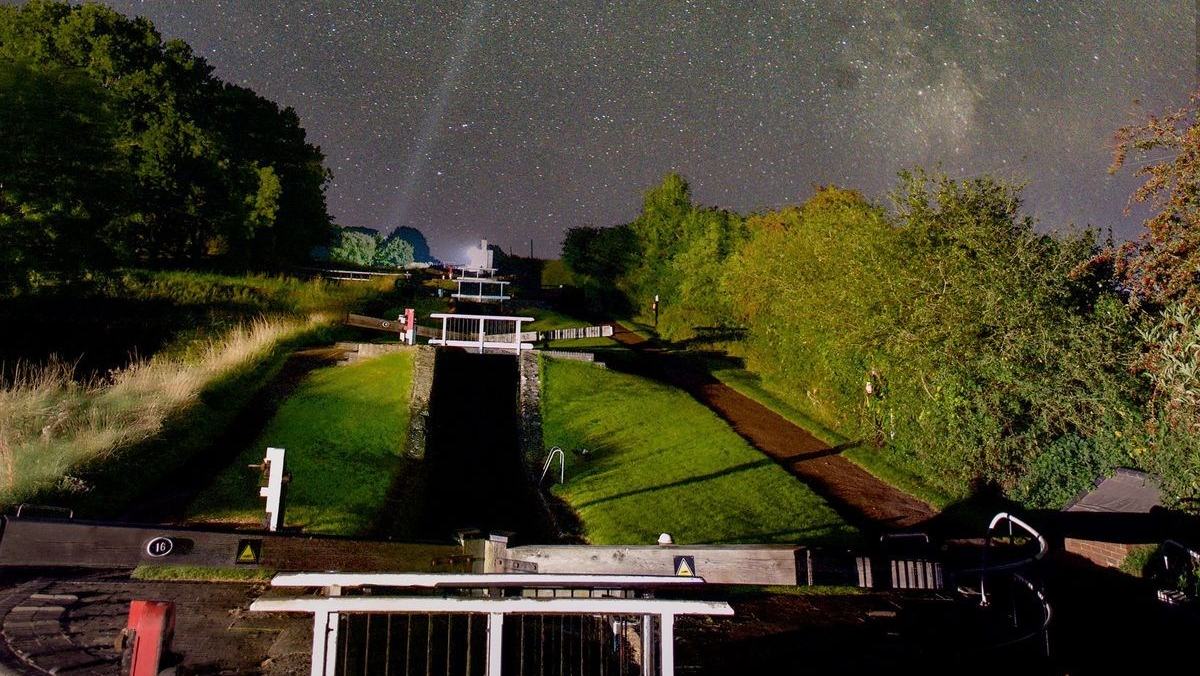
The Canal & River Trust announced a series of guided evening bat walks at Foxton Locks in Leicestershire during September 2026. Visitors are invited to experience the waterway after dark, using specialist listening equipment to discover wildlife that can be difficult to notice on an ordinary daytime visit. The initiative connects the history of a famous lock flight with the habitats supported by canals and adjacent vegetation.
An unusual view of a familiar canal destination
The Canal & River Trust announced a series of guided evening bat walks at Foxton Locks in Leicestershire during September 2026. Visitors are invited to experience the waterway after dark, using specialist listening equipment to discover wildlife that can be difficult to notice on an ordinary daytime visit. The initiative connects the history of a famous lock flight with the habitats supported by canals and adjacent vegetation.
For families accustomed to seeing narrowboats passing through Foxton's lock chambers, the programme offers a different perspective. The same corridor used for navigation provides sheltered movement routes and feeding areas for birds, insects and bats, making the waterway valuable beyond its transport history.
Why bats are drawn to waterways
The Trust explains that canals and rivers can provide drinking water, access corridors and concentrations of insects for bats to feed upon. Evening walks allow participants to learn how specialist detectors make ultrasonic calls more accessible to human listeners. Expert guidance is essential because several species may be present and calls can require interpretation.
A bat detector can make an evening more engaging, but visitors should not expect a close view of each animal or attempt to handle wildlife. Bats are protected, and responsible observation means remaining on designated routes, reducing disturbance and following the guide's instructions.
A family-friendly but carefully managed activity
The announced events are designed for participants aged twelve and over, with anyone under eighteen accompanied by an adult. The Trust says equipment is provided, with hot chocolate and toasted marshmallow treats after the walk. Numbers are limited, and advance booking is required.
That structure is useful for families who may not normally seek out a wildlife activity. A guided outing removes some uncertainty about where to go and what to look for, while the social finish allows time for questions. Visitors should wear suitable footwear and dress for lower temperatures after sunset, even when the afternoon has been warm.
Connecting canal recreation with conservation
Boating and waterside walking depend on healthy habitats, although the pressures vary along different waterways. Learning about bats can encourage visitors to look more carefully at vegetation, lighting and water quality around their favourite stretches of canal. It also makes clear why conservation planning can matter when maintenance or visitor facilities are improved.
The September announcement did not specify a guarantee of sightings or establish that places remain available on every date. Travellers should use the official event information for current opportunities. As a recreational idea, the Foxton programme demonstrates how a waterside destination can offer an absorbing experience without requiring visitors to own or hire a boat.
Source
British Marine