
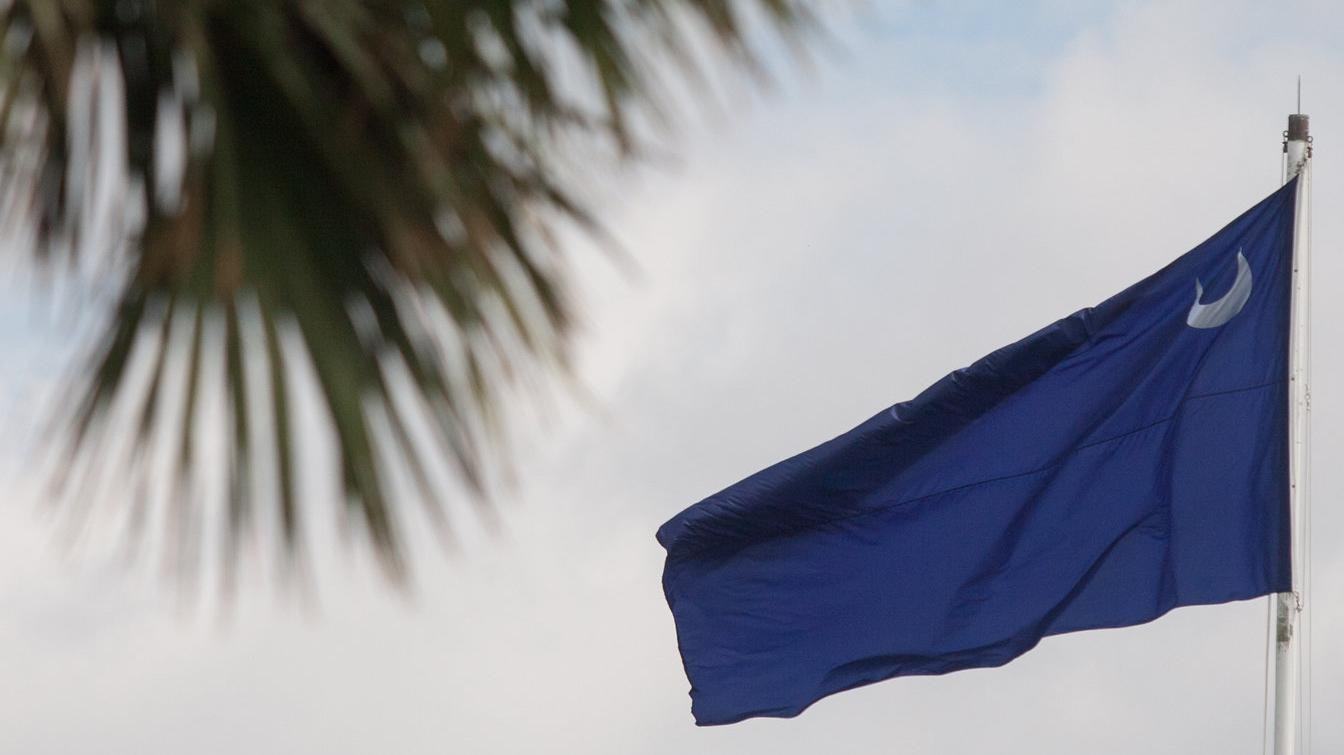
Fort Sumter is reached by the park's authorised ferry from Charleston or Patriots Point, making the harbour crossing part of the experience. Private boats cannot dock at the historic fort.
A fort that can only be reached by water
Fort Sumter sits near the entrance to Charleston Harbor, where the first shots of the American Civil War were fired in April 1861. The short sea journey gives the historic site an unusually strong sense of place because visitors approach it across the same stretch of water that shaped its strategic importance.
The National Park Service says that visitors reach Fort Sumter on ferries operated by its authorised concessioner, Fort Sumter Tours. Private vessels may not dock at the fort, so bringing a personal motorboat to Charleston does not replace the need for a legitimate visitor ferry ticket.
Two departure locations are identified: the Fort Sumter Visitor Center at Liberty Square in downtown Charleston and Patriots Point in Mount Pleasant. Each provides a different view of the harbor, but both lead to the same island fort and the same need to keep track of the booked return.
Choosing the ferry is part of the sightseeing rather than merely transport, with the harbour revealing working waterfronts, broad shipping lanes and distant fortifications. A visitor who wants photographs from the water should have a camera ready on both legs, since light and viewing angles change throughout the trip.
Choosing the departure and securing tickets
The downtown boarding point is close to the historic centre of Charleston, with the NPS giving 340 Concord Street as its navigation address. Parking is available in a nearby city garage, but it is paid and has a seven-foot height limit that can affect taller vehicles.
Patriots Point is at 40 Patriots Point Road in Mount Pleasant and offers its own visitor parking. The NPS notes that travellers in larger vehicles may find this side more convenient, although parking conditions and special events should always be checked before leaving.
The park does not collect a federal entrance fee for Fort Sumter, but the authorised ferry operator charges for tickets. That distinction helps avoid confusion when a visitor has a national parks pass, because transport to this water-only site is a separate commercial service.
Schedules and fares can change with season, weather or demand, so a sensible plan uses the authorised operator's current booking information rather than an old screenshot. Buying ahead is particularly valuable for travellers who have only one day in Charleston and cannot easily switch to a different departure.
The park's FAQ describes a typical tour lasting about two hours and fifteen minutes, including the crossing and island visit. This should be treated as an itinerary guide rather than a reason to arrive late: boarding requirements, security and sailing times deserve their own allowance.
What happens on the island
Rangers provide a brief introductory programme for arriving ferries, giving visitors context before they walk through the fort's surviving masonry and gun positions. The place is compact enough to explore on foot, but its significance becomes clearer when the exhibits and views across the channel are considered together.
People taking the first ferry of the day may have an opportunity to help rangers raise the United States flag, while those on the last ferry may assist with lowering it. These activities depend on park operations and should be considered a possible highlight rather than a guaranteed ticket feature.
The fort's exposed position means that wind and sun can feel stronger than in sheltered streets downtown. Comfortable footwear, drinking water and protection from the elements improve the visit, especially for families planning to spend most of the allowed time walking.
Anyone interested in the maritime history should take a moment to view the approaches and imagine how ships and artillery influenced control of Charleston Harbor. The surrounding water makes clear why the fort could not be understood as simply another building in a city walking tour.
Visitors should follow the path and interpretive guidance rather than climb on fragile structures or attempt to approach restricted waterside areas. The island's fabric is part of a protected historic site, and its preservation depends on responsible movement around the old defences.
Making the most of the harbour crossing
A good day begins by deciding whether the downtown or Mount Pleasant departure better fits the rest of the itinerary. Travelers may wish to pair Fort Sumter with the city's waterfront or with a later visit to Fort Moultrie, which is reached separately by road on Sullivan's Island.
Fort Moultrie is not a ferry stop on the Fort Sumter route, and the NPS explicitly warns against assuming the two forts are directly connected by visitor boat. A combined historical day therefore needs separate transport planning rather than hoping to step off the ferry at the second site.
Marine weather can affect a short harbour excursion just as it affects longer cruises, and operational instructions aboard the ferry should always take priority over photography or moving between decks. The return schedule also matters; visitors should listen carefully to the crew's directions while at the fort.
Families can use the crossing to explain how harbours, forts and ships shaped coastal communities, making the journey meaningful even before the island landing. The water provides a changing view of Charleston that road access could never replicate.
Fort Sumter works best as a boat-first historic excursion, not an attraction to squeeze between tight appointments. Allow time to arrive at the correct boarding point, take the authorised ferry, experience the island without rushing and return with the harbour still in view.