
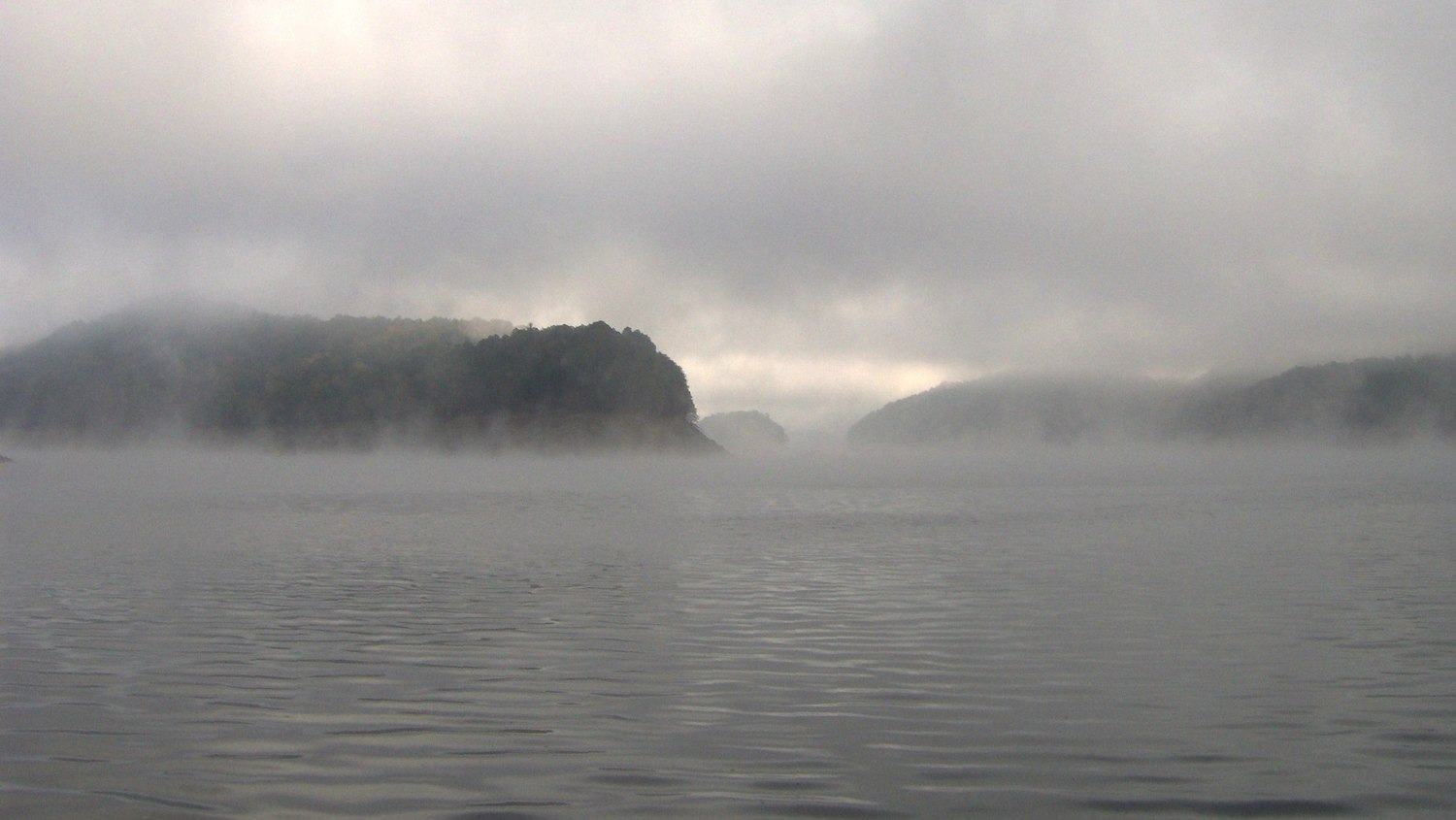
Fontana Lake offers remote Smokies scenery for small-boat visitors, provided the launch, weather and backcountry access are planned carefully.
Fontana Lake is the Smokies seen from the water
Fontana Lake offers a very different view of Great Smoky Mountains National Park from the popular mountain roads. The National Park Service describes the Fontana area as one of the park's most remote districts, with forested slopes, traces of old logging settlements and access to backcountry trails. A small boat can make those distant shores feel close, but the appeal lies in a patient journey rather than speed. This is a landscape to observe without assuming every bank is a landing place.
Visitors should be clear about the sort of experience they want. A family motorboat outing is not the same proposition as an experienced paddling trip, and an overnight journey adds another level of responsibility. The boat may be under twelve metres, yet weather, access and the distance from help still matter. This guide treats Fontana as a destination for considerate small-boat exploration, not as a tested itinerary or a guarantee that a particular ramp or facility will be available.
Choose a short first outing
Before choosing an exact course, decide how long the crew really wants to spend afloat. Paddlers may prefer a sheltered shoreline with occasional pauses, while a small motorboat could explore a wider stretch without committing to the most distant shore. Add time for launching, loading, a safety briefing, lunch and retrieval. An apparently straightforward route can become slow if the return is against wind or if visibility deteriorates. A cautious first visit leaves room to change plans.
With a mixed-ability crew, comfort is as important as distance. Children may tire of sitting still, older passengers may need easier boarding, and a new paddler can find repeated wind-driven waves exhausting. Avoid presenting a long reservoir passage as a family achievement that everyone must complete. Choose a nearby turning point, identify a sheltered alternative, and make the decision to return before the group is cold or tired. A modest outing can still provide memorable mountain views.
Confirm the launch rather than trusting an old map
The park's Fontana visitor pages describe the area but do not serve as live confirmation that every dock, ramp or commercial service is open. Reservoir levels, maintenance and seasonal operating arrangements may change. A ramp suitable for one trailer might be awkward for another, and a hand-carried kayak needs different access from a motorboat. Contact the intended operator or responsible authority to confirm present conditions, fees, hours, trailer parking and the practical route to the water.
Inspect the launching area before reversing a trailer or unloading equipment. Check the ramp surface, the room to turn a towing vehicle, water depth, prevailing wind and any posted restrictions. Keep a record of the launch position for the return, especially if a dock looks different from the water than it does from the road. If a safe recovery cannot be assured, do not launch simply because the boat is already prepared. A postponed trip is cheaper than a damaged vessel.
Backcountry camping is a separate permission
The remote north shore makes Fontana attractive to people who want to combine boating with walking or camping. However, a scenic clearing is not a free campsite. Great Smoky Mountains National Park requires advance reservation and a backcountry permit for overnight stays, with camping confined to designated sites or shelters. The National Park Service says that new backcountry permits have been processed through Recreation.gov since 30 April 2026, so earlier booking advice may be outdated.
Read the park's current backcountry rules before including a landing in the itinerary. Stay limits, party size, food storage, fires, and the treatment of vegetation all affect how visitors should behave. A camping permit does not automatically satisfy any vehicle parking-tag requirement. Even a day visitor should not cut through sensitive shoreline vegetation or treat old structures as facilities for recreational use. If access from the chosen water route is uncertain, keep the trip on the lake instead.
Weather and cold water set the limits
A mountain reservoir may look perfectly sheltered on a still morning and become demanding later. Surrounding ridges can alter wind direction, and a returning boat may meet waves that were barely noticeable on the outward passage. Check a specific local forecast, then keep watching the sky and surface. Leave a margin for the unexpected rather than planning every minute. When visibility falls or gusts rise, do not wait until the furthest point of the route to reconsider.
Water temperature deserves separate attention from sunshine. Falling overboard can cause shock and rapid loss of useful strength, especially for someone without suitable clothing or an effective flotation device. Every person should wear a correctly fitted lifejacket or buoyancy aid appropriate to the craft and activity. Paddlers need a practised recovery method and may need immersion protection. Dry clothing, hot drinks and a waterproof means of communication can be more valuable than another optional leisure gadget.
Discover the shore without disturbing it
The pleasure of this lake is often found in quiet details: steep wooded slopes changing colour, light moving over the water and the layered appearance of ridges beyond the nearest cove. A small boat creates opportunities to stop and look, but it should never become an excuse to intrude on wildlife. Watch from a respectful distance and avoid approaching nesting or resting animals. A slow, low-wake passage leaves other visitors free to enjoy the same atmosphere.
If photography is part of the plan, assign it to someone who is not responsible for the helm. A skipper taking pictures can miss a paddlecraft, floating object or change of depth. Secure phones and cameras against loss, and do not manoeuvre close to a cliff or shoreline simply to frame a dramatic image. Sometimes the best photograph is taken after the boat is safely stopped in an appropriate area. A beautiful landscape should not make ordinary seamanship disappear.
Think carefully about a shore excursion
The park's Fontana-area information highlights cascades, backcountry trails and remnants of local history. For a boat visitor, the temptation to turn a scenic stop into a walk is understandable. Yet a trail shown on a map may not connect to an easy or permitted landing. Banks can be steep or muddy, and changes in reservoir level can make an apparently familiar beach inaccessible. Do not assume a short swim or scramble is a sensible substitute for proper access.
Plan a shore excursion only after establishing where landing is allowed, whether the trail is open and what permission applies. Consider how the boat will be secured and who remains responsible for it while others go inland. A dinghy left unattended may move with wind or wake. If any of those details remain uncertain, enjoy the view from the water. It is better to return to a known ramp with an intact boat than to improvise a difficult recovery from a remote shore.
Prepare as if assistance could take time
A small motorboat needs enough fuel or battery reserve for a longer return than expected. Before leaving, inspect propulsion, steering, fastening points, bilge arrangements and the condition of the hull. Keep required safety equipment in working order and accessible, not buried beneath picnic bags. A kayak should have suitable flotation, a spare means of control where appropriate, and secure storage for essentials. In either case, a simple equipment check is more effective than confidence based on previous uneventful trips.
Give a responsible person ashore the launch location, planned route, names aboard and an expected return time. Check whether mobile coverage can be relied upon rather than discovering its limits during a problem. Marine radio or another suitable signalling method may be valuable depending on the craft and operating area. Know how to report a position. If the engine behaves unusually or a paddler becomes fatigued, turn back early. The plan should include the possibility of ending the trip without reaching a chosen destination.
Share the lake with paddlers and other users
At a launch or narrow shoreline, a motorboat's wake can affect a kayak or a person boarding a small tender. Slow down early, follow every local speed or no-wake instruction and give fishing crews and wildlife suitable room. Paddlers, in turn, should remain visible and avoid assuming that a motorboat operator has seen them against a dark wooded background. Courtesy on a quiet lake is not an optional extra; it helps keep different kinds of small craft compatible.
Equipment can also transport invasive species between waters. Clean, drain and dry the hull, trailer, paddle gear and other wet equipment before travelling to a new lake, and comply with the current inspection requirements of the destination. Do not discard fishing line, food packaging or fuel-related waste. Treat the shoreline as a shared public landscape. The next visitor should encounter clear water and a clean bank rather than the remains of somebody else's outing.
A satisfying day is one that finishes safely
An attractive first plan might involve a gentle launch, a sheltered cruise or paddle, a meal aboard and a return in good daylight. There is no need to turn the visit into an endurance exercise. Build in a decision point so that a weather change, a delayed departure or an uncomfortable crew automatically shortens the route. Good judgement is often invisible to an observer: it may simply look like a boat turning around earlier than expected.
Before travel, check the current National Park Service Fontana visitor page, the park's backcountry rules and local conditions. Confirm individual launch arrangements directly, because this article does not verify a particular facility's opening on the day of arrival. Fontana Lake's sense of distance from ordinary road tourism is precisely its attraction. A small boat provides a privileged vantage point only when its skipper treats that remoteness, the crew and the park with appropriate respect.
Sources: National Park Service Fontana area guidance and NPS backcountry permit guidance, updated in 2026. Photograph: Fontana Lake in North Carolina by Brian Stansberry, via Wikimedia Commons under CC BY 3.0; the view is contextual and does not represent current launch conditions. Image credit: Fontana-lake-morning-nc1.jpg by Brian Stansberry, CC BY 3.0 (via Wikimedia Commons).
