
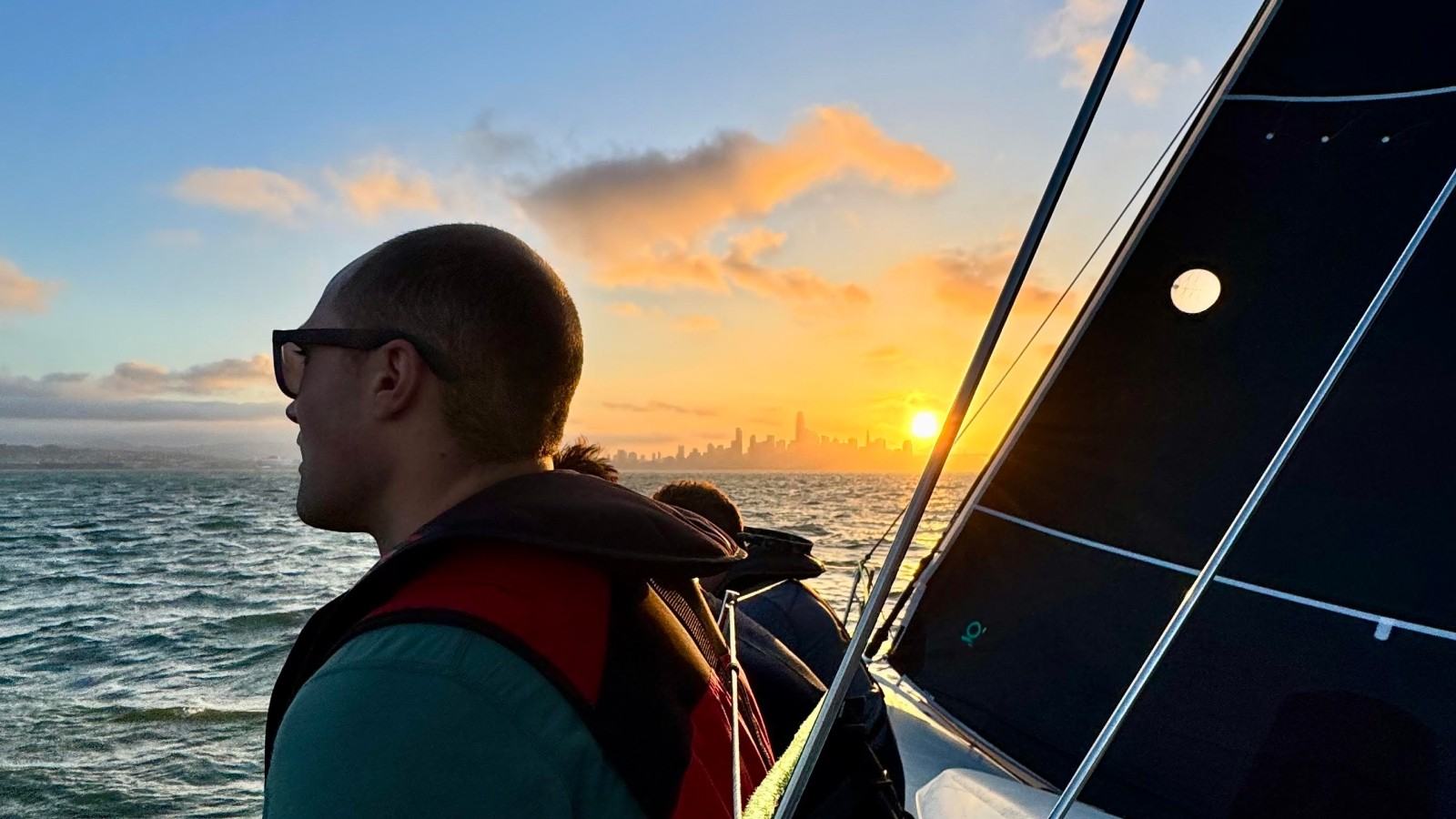
American Sailing's Five Waters, Five Lessons explores how sailing on contrasting bodies of water can deepen understanding of wind, teamwork and practical seamanship.
Each waterway teaches something different
Sailing on a reservoir can feel very different from navigating coastal bays or racing offshore. American Sailing's Five Waters, Five Lessons reflects on experiences across contrasting conditions, including Colorado inland waters and open-water competition.
The common thread is that the same boat-handling basics must be adapted to different surroundings. Sailors who learn on one lake can gain confidence by exploring other suitable locations with guidance.
Inland wind can change quickly
Reservoirs may be influenced by surrounding hills and local weather patterns that create unpredictable gusts. A short course between marks can require constant attention to sail trim and steering.
Beginners should choose moderate conditions and remain familiar with the available launching and landing areas. A sheltered shore should never be assumed to offer safe access in every wind direction.
Coastal sailing adds new variables
Tidal streams, commercial traffic and navigation marks introduce challenges that are less prominent on some inland waters. A crew must learn to read charts and observe the environment while continuing to sail efficiently.
Practical passage planning includes checking harbour access and local notices. Developing these habits on short coastal trips prepares sailors for longer outings.
Offshore racing demands teamwork
Longer passages require watch schedules, routine equipment checks and decisions made with limited information. Crew members may have to work together for days rather than hours.
A disciplined approach to rest and communication can be as important as the technical performance of the boat. Offshore racing should only be undertaken with suitable experience and equipment.
Variety can make better sailors
Learning on different bodies of water builds adaptability by exposing crews to new choices and challenges. It also reminds sailors that confidence should come from understanding conditions rather than assuming every destination will behave like home.
Trying a new venue with an experienced local skipper is a sensible starting point. The goal is to enjoy new waters while respecting their distinct risks.
Inland reservoirs teach awareness of local wind
Landlocked sailing areas can be affected by steep surrounding terrain, afternoon heating and wind that shifts sharply near the shore. A sailor who has learned to steer on open coastal water may be surprised by sudden lulls or gusts on a smaller lake. Reading ripples and observing other boats can help a crew anticipate changes before instruments respond.
Reservoir sailing also encourages practical launch planning. Water levels, slipway conditions and local access restrictions may vary through the season, especially where a lake is managed for water supply. A good outing begins with confirming that the intended launching area is available and that the boat can be recovered at the expected time.
Coastal harbours add tidal decisions
A tidal harbour introduces water movement that may differ from the wind felt on deck. The tide can assist or hinder progress, while strong streams near an entrance may complicate berthing. Crews should check the local tidal information and understand the difference between the boat's heading and its track over the ground.
Navigation marks and commercial movements add further responsibilities. Leisure sailors need to watch for ferry routes, dredging activity and areas with shallow water that becomes more restrictive as the tide falls. Learning those details on a short, well-planned passage provides a useful foundation before attempting more complex coastal routes.
Open water puts a premium on preparation
Farther offshore, shelter is not immediately available if the weather changes or somebody becomes unwell. The crew should plan watchkeeping, communication and reserves according to the distance from a safe destination. Even a relatively small sailboat may travel confidently in open water if its condition and crew preparation are appropriate.
Forecast uncertainty grows in importance when a passage lasts longer than a few hours. A skipper should know which changes in conditions would make the original plan unsuitable and should have realistic alternatives in mind. Good decision-making is not about proving a boat can tolerate poor weather; it is about avoiding needless exposure.
Racing develops teamwork under pressure
Competitive sailing often requires crews to communicate and adjust more quickly than during a relaxed cruise. A delayed tack, unclear instruction or poorly timed sail change can influence the result immediately. Club racing provides a structured way to practise those skills with others who understand the sport's rules and safety arrangements.
However, a racing habit does not automatically fit every cruising situation. Passengers may need more time, and a comfortable route may be preferable to one that is fastest. Sailors who enjoy both activities benefit from recognising when to apply competitive precision and when the priority should be reducing workload.
Transfer the right lessons between waters
Each new sailing area reveals both familiar principles and different local requirements. Checking the weather, maintaining the boat and communicating with the crew remain important everywhere, but charts, harbour procedures, regulations and emergency arrangements must be adapted to the location.
A useful approach is to make the first outing on unfamiliar waters a modest one with time to observe and ask for advice. Sailing schools and clubs can provide local experience that a visitor may lack. Over time, exposure to different conditions helps a sailor develop judgement without assuming that one successful trip makes every other environment equally predictable.
Safety equipment needs to match the waters being explored. A buoyancy aid appropriate for supervised lake sailing may not be the only protection needed for a longer coastal journey, where communication equipment, weather exposure and distance from assistance become more important. Local regulations and activity-specific requirements should guide the choice rather than relying on one universal packing list.
Seasonal conditions can change the character of the same place. A reservoir may experience different winds as weather systems shift, while coastal areas can have changing tides and busy periods of tourist traffic. Visiting sailors should check the forecast for the day and the likely return time instead of assuming that a familiar landscape will always produce familiar conditions.
Sailing in unfamiliar surroundings can also be socially rewarding. Local clubs often know the safest approach to launching, the most suitable beginner routes and which areas are used by swimmers or wildlife. Asking for guidance respects the people who use the water regularly and can reveal opportunities for training or friendly sailing with experienced crews.
The strongest lesson from comparing five kinds of water is adaptability. Sailors benefit from keeping fundamental skills sharp while remaining open to new information about each destination. The experienced skipper does not automatically treat unfamiliar waters as dangerous or easy; they gather evidence, plan conservatively and adjust as their understanding grows.
Source
American Sailing