
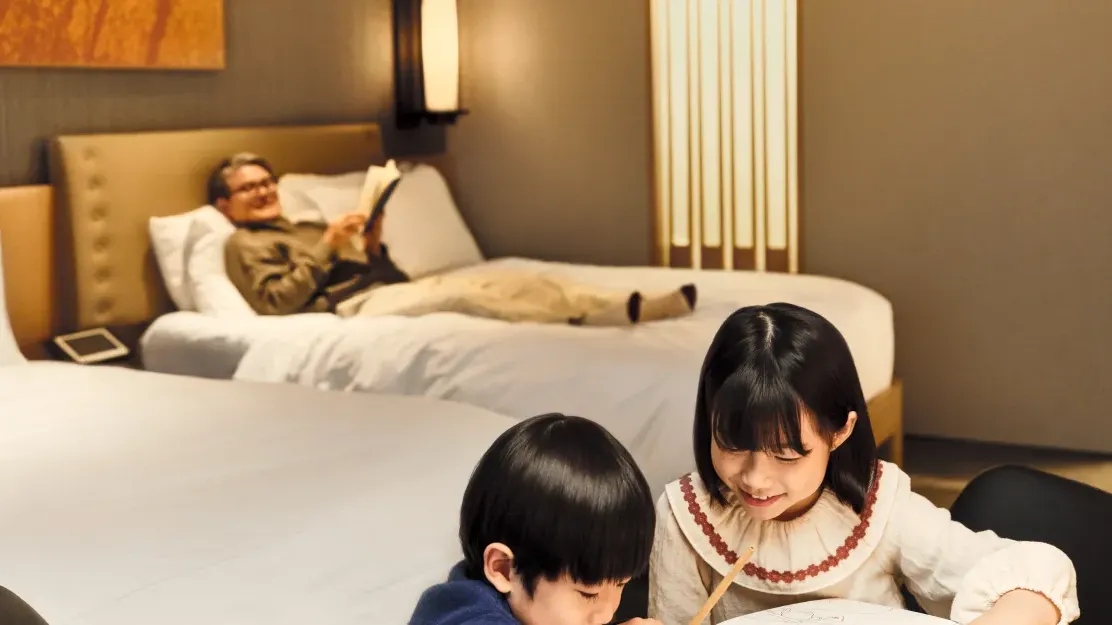
The modern family holiday is increasingly multigenerational, experience-led and designed around time together rather than simply visiting the same destination.
Hilton’s 2026 research suggests family holidays are becoming more multigenerational, experience-led and deliberate about creating time together away from everyday screens. The trend is relevant to ordinary leisure travel because it focuses on comfort, flexibility and experiences that people can realistically build into a weekend or longer holiday.
More generations are travelling together
Parents, grandparents and adult children are increasingly sharing the same holiday rather than travelling only as small family groups. This is useful because leisure trips are easier to enjoy when travellers understand the practical trade-offs before they arrive. It also leaves more room to change the day around weather, energy levels and the interests of different people travelling together.
Different ages often need different pacing, privacy and activity choices, so flexible days become especially valuable. For LBG readers, the important point is not extravagance but usability. A holiday generally feels better when simple comforts, realistic timing and enough unscheduled space allow the destination itself to remain the main reason for travelling.
Play matters at every age
Families increasingly prefer activities that are genuinely fun rather than formal sightseeing that everyone feels obliged to complete. This is useful because leisure trips are easier to enjoy when travellers understand the practical trade-offs before they arrive. It also leaves more room to change the day around weather, energy levels and the interests of different people travelling together.
Swimming, paddling, games and easy outdoor experiences can bring several generations together without specialist skills. For LBG readers, the important point is not extravagance but usability. A holiday generally feels better when simple comforts, realistic timing and enough unscheduled space allow the destination itself to remain the main reason for travelling.
Screen-free time is becoming intentional
Many parents want periods during a holiday when phones and other screens are deliberately put away. This is useful because leisure trips are easier to enjoy when travellers understand the practical trade-offs before they arrive. It also leaves more room to change the day around weather, energy levels and the interests of different people travelling together.
Outdoor activities provide a natural alternative because people have something tangible to do together. For LBG readers, the important point is not extravagance but usability. A holiday generally feels better when simple comforts, realistic timing and enough unscheduled space allow the destination itself to remain the main reason for travelling.
Experiences are replacing more possessions
Families increasingly value trips and shared activities as gifts and reasons to spend time together. This is useful because leisure trips are easier to enjoy when travellers understand the practical trade-offs before they arrive. It also leaves more room to change the day around weather, energy levels and the interests of different people travelling together.
A simple weekend away can create a stronger shared memory than another physical purchase. For LBG readers, the important point is not extravagance but usability. A holiday generally feels better when simple comforts, realistic timing and enough unscheduled space allow the destination itself to remain the main reason for travelling.
Official sources: stories.hilton.com.
Source
stories.hilton.com