
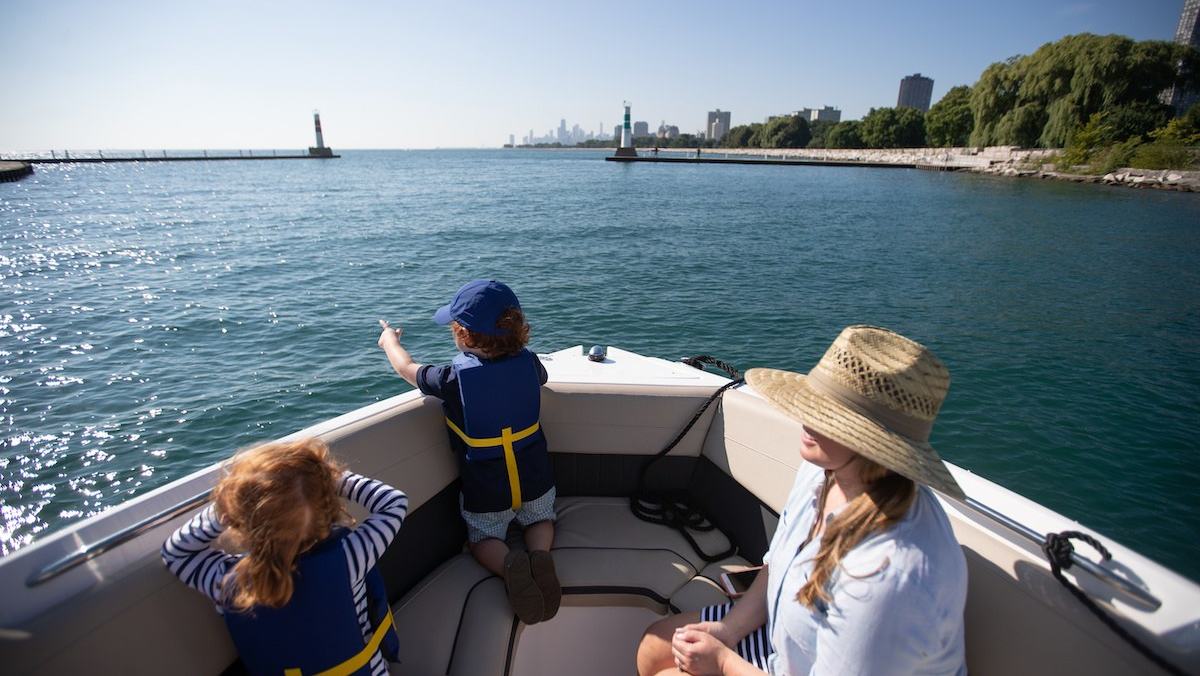
Family boating can introduce children to responsible waterway stewardship through simple jobs such as securing rubbish and keeping fishing line out of the water.
A family trip can become a small conservation lesson
Children often notice things on a lake or river that adults overlook: discarded packaging near a bank, birds feeding in the shallows or floating line caught in vegetation. A small-boat day offers an opportunity to explain why waterways require careful treatment, without turning the outing into a classroom exercise. Discover Boating recommends a series of simple conservation habits that families can practise together.
The most useful lessons are visible and achievable. Asking a child to look after an empty snack wrapper or help identify a sensitive shoreline creates a link between a personal action and the condition of the place being visited. Adults need to set a consistent example because children quickly notice when rules are applied only to them.
Give everyone a role in preventing litter
Light food packaging and loose paper can blow out of a small cockpit before anyone notices. Keep waste in a lidded container or secure bag and explain that nothing should be thrown overboard, even when somebody describes it as biodegradable. The skipper must also ensure that rubbish storage does not block exits, controls or important safety equipment.
Children can help check the cockpit before departure and again when the boat returns to the dock. A short cleanup routine encourages responsibility without putting anyone in danger. Recovering litter already floating in the water should be considered only when the skipper can do so safely and legally; no child should lean overboard to grab an item.
Fishing is an opportunity to discuss healthy ecosystems
Young anglers can learn how to release fish appropriately, identify local size limits and handle tackle without leaving hooks or fishing line in the water. Discarded monofilament poses hazards to birds and other wildlife, so it should be collected for suitable disposal. Beginners should work under supervision and use tackle matched to their age and ability.
Catch-and-release methods must follow local regulations and best practice for the species involved. It is important to avoid presenting release as harmless in every circumstance, because handling can still injure fish. A thoughtful approach includes reducing unnecessary handling and understanding when a fish may legally and responsibly be kept.
Notice what lives along the shore
Seagrass, reeds and shallow plant beds provide habitat for many animals, but they can be damaged by propellers, anchors and repeated wake. Families can look for differences between open channels and sensitive shallow areas, learning why a marked route should be followed even when a shorter path seems obvious. Local signs may also identify nesting or wildlife protection zones.
Binoculars allow children to watch birds or other animals at a respectful distance. Chasing wildlife for a photograph is neither kind nor necessary, and feeding animals can alter their behaviour. A calm observation often provides a more memorable learning experience than approaching as closely as possible.
Make maintenance and preparation part of stewardship
Boat upkeep also affects water quality. Oil drips, cleaning chemicals and careless refuelling can introduce pollutants, so adults should explain why absorbent materials and proper disposal facilities matter. Children can be involved in age-appropriate tasks such as checking that a waste container is secure, but hazardous maintenance belongs to trained adults.
A family that consistently keeps the boat clean, watches its wake and respects shorelines helps preserve the destinations it enjoys. These habits cost little and do not require expensive equipment. A child who learns that boating involves responsibility as well as freedom may carry that understanding into many future visits to lakes, rivers and coastal waters.