
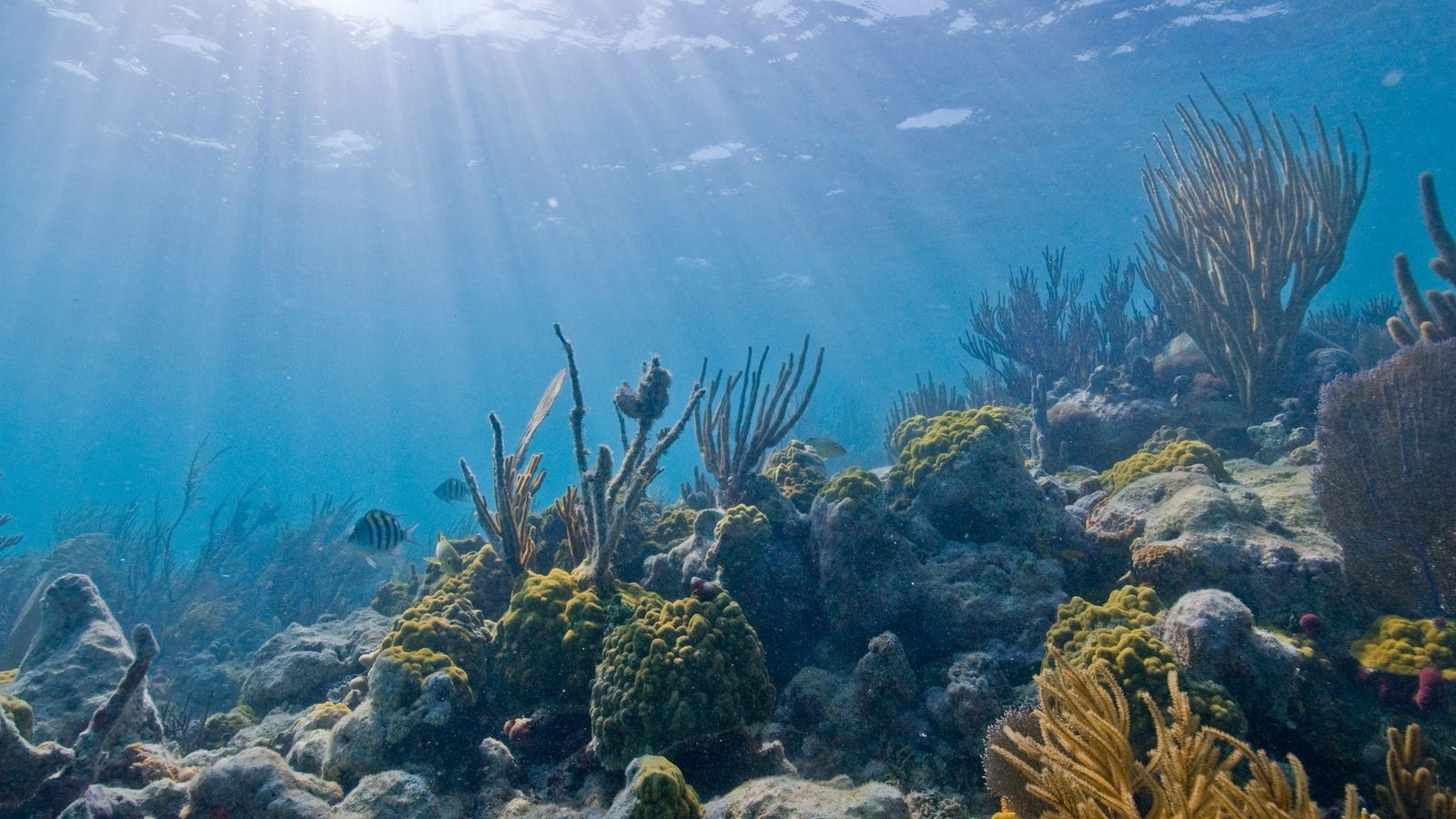
Elliott Key in Biscayne National Park has a sheltered island harbour, picnic amenities and backcountry atmosphere. A private boat is essential and the shallow approach needs care.
An island visit that begins with a boat
Elliott Key is one of the most intriguing destinations in Biscayne National Park, a largely water-based protected landscape south of Miami. The island, the largest in the park, offers a contrast to the busy mainland: a simple marina, picnic grounds, paths through maritime forest and the sense of arriving somewhere by water because there is no road or scheduled public ferry. That difference matters when planning a day. The outward passage, docking arrangements and safe return must be planned as carefully as the time spent ashore.
The National Park Service describes Elliott Key as a place once shaped by pineapple farming, sponging and local maritime life. Today the developed harbour area supports visiting boaters with picnic tables, grills and basic facilities, while the rest of the island retains a less urban character. It is a destination to explore gently rather than a large resort marina. Visitors should arrive with their own supplies and an understanding that no shop is waiting to replace forgotten food or drinking water.
Small powerboats and other suitable craft can reach the island across Biscayne Bay, but the route requires sensible navigation. Shallow banks, marked channels and changing conditions reward a chart-based approach. The park warns that Elliott Key harbour is around two and a half feet deep at low tide, which makes the boat’s draught and tidal timing significant. A skipper with a deeper hull should not treat the presence of docks as proof that every boat can use them safely.
Docking space, fees and a shallow harbour
According to the NPS, the harbour provides approximately thirty-three slips, made available on a first-come basis. There are no reservations for a guaranteed berth, so an arrival plan should include what to do if the harbour is full. Mooring or anchoring elsewhere requires checking current park rules rather than assuming the nearest clear patch of water is suitable. Keep navigation aids in view and approach at a controlled speed to protect other visitors and sensitive marine habitat.
The park lists a day-use docking fee for Friday through Monday and federal holidays, with separate charges for overnight camping and docking. Its current fees guidance identifies twenty-five dollars for the qualifying day-use docking and sixty dollars for overnight camping and docking. These are regulations that can change, so verify the latest amounts immediately before departure. The NPS uses Recreation.gov mobile Scan and Pay at the island kiosks, making offline preparation of the app and payment method a practical precaution.
Harbour congestion can have an outsized effect on a day trip because a boat is also the route home. Arrive with enough fuel for the round trip plus a sensible reserve and ensure the crew can assist with lines and fenders. An empty-looking slip may have a restriction that is not obvious from a distance. Slow down, read posted signs and avoid blocking the channel while deciding where to berth. Do not leave the boat unattended until it is secure and the weather outlook supports the planned stay.
What awaits ashore and how to prepare
The NPS identifies a short loop walk near the campground and a much longer former island track, often known as Spite Highway, passing through maritime forest. A modest shore visit can include the loop and picnic area without becoming a full hiking expedition. Prepare for heat, insects and uneven surfaces. The park warns that mosquitoes and biting midges can occur throughout the year, so comfortable footwear, insect protection and drinking water are essentials rather than last-minute additions.
Visitors will find restrooms, cold showers and a freshwater supply near the developed area, but the park recommends taking independent drinking water in case its generator or service fails. That caution is particularly important when carrying children, or when a planned quick visit stretches because of weather. Bring food, sun protection and a bag for every piece of rubbish. The NPS requires visitors to pack out trash, and a small island does not have unlimited capacity to absorb boating waste.
Fishing is permitted in designated areas, including the maintenance dock or appropriate shoreline outside the harbour no-wake area, subject to current regulations. A visitor should not cast among boats manoeuvring for slips or assume that a protected marine park allows unrestricted harvest. Pets may be permitted on a leash in developed parts of Elliott Key, but may not be left unattended. Check current rules before bringing animals, particularly if the group hopes to walk far beyond the harbour.
Let the return passage guide the schedule
Biscayne Bay can change quickly when wind or storms arrive, and a bright morning is no guarantee of a comfortable crossing home. Review the marine forecast, daylight and the exact charted route before setting off. Plan to leave enough time for an orderly departure from an occupied marina. On a busy weekend, allowing a buffer for a full harbour or waiting for a suitable water level makes far more sense than committing to a fixed late return.
Overnight visitors must make different preparations from a short excursion. The island has designated campground facilities but not the services of a staffed hotel, and payment does not guarantee a particular berth or tent site. Secure camping gear against weather, bring adequate food and water, and understand where fires and fishing are allowed. Keep seaworthy equipment aboard rather than treating the boat as an expendable transfer once the picnic begins.
Elliott Key is rewarding because it combines an island approach by boat with a genuine chance to step into Biscayne’s natural and cultural history. The pleasure comes from arriving responsibly and leaving the shoreline undamaged. Choose a boat suited to the shallow harbour, confirm current day-use or overnight fees, and have a fallback if slips are occupied. Those decisions protect both the crew and the quiet character that makes the island worth visiting.
Primary planning source: National Park Service Elliott Key visitor and docking information. Consult the original National Park Service guidance and current notices before departure.