
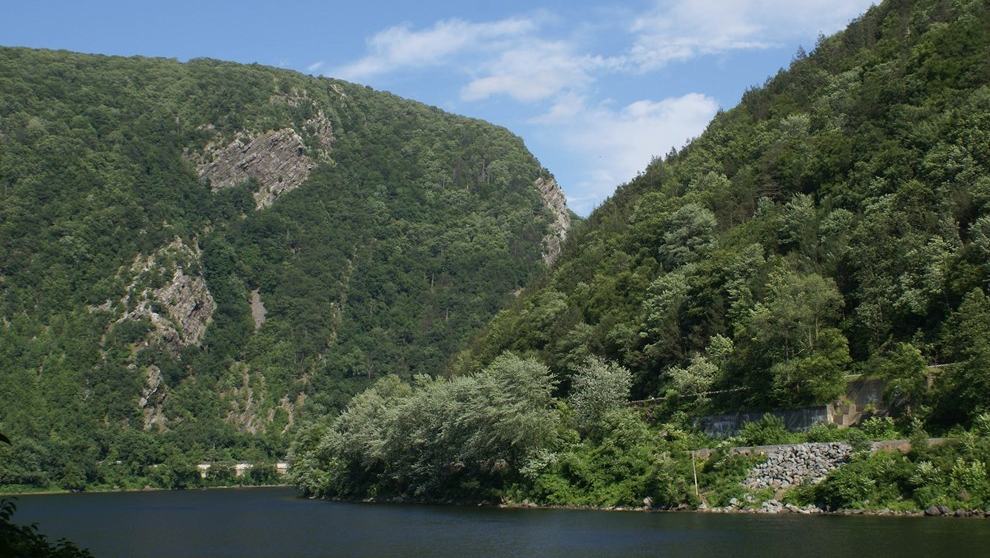
The Middle Delaware offers a relatively accessible river trip through protected scenery, combining quiet pools, occasional riffles and practical choices for first-time paddlers.
A river trip among forested hills
The Middle Delaware National Scenic and Recreational River is an inviting starting point for anyone who wants to discover paddling without turning a holiday into an extreme sport. The river runs through Delaware Water Gap National Recreation Area between wooded hills and quiet rural scenery. The National Park Service describes this stretch as offering calm pools punctuated by relatively short riffles, a combination that can suit beginners who have chosen appropriate conditions.
The setting encourages an unhurried pace. Rather than covering the maximum possible distance, visitors can build a day around listening to birds, watching the banks and learning how currents behave beside gravel bars and bends. Even a gentle river demands attention, however, and the apparently quiet surface can conceal submerged obstacles or changes in depth.
Choosing the right first route
The best first decision is a suitable launch and take-out rather than a particular mileage target. A visitor unfamiliar with the river should contact the park or an authorised livery for current guidance on distance, water level and access. The National Park Service maintains information about paddling conditions and commercial providers, but the time required for any journey varies with current, wind, stops and the experience of the group.
Set a conservative travel plan with plenty of daylight in reserve. A family using a tandem canoe may move at a different pace from experienced solo kayakers, while a headwind can turn an apparently easy section into hard work. Always identify the intended take-out in advance and carry a waterproof map or offline navigation information, since a mobile telephone should not be the only means of finding the route.
Why a rental livery can simplify the day
The park explains that authorised river outfitters provide canoes, kayaks or rafts along with basic orientation, paddles and life jackets. Many also arrange transport, which eliminates the difficult problem of leaving a vehicle at both ends of a one-way river journey. Visitors bringing their own craft should investigate the public shuttle information and confirm that the service suits their proposed access points and operating dates.
Before accepting equipment, check that each flotation device fits properly and that the boat matches the user's ability. A stable canoe is not automatically the best choice in wind, and a kayak suited to still water may be uncomfortable over a long distance if the seat is badly adjusted. Ask the provider about current river conditions and any sections that should be avoided by inexperienced paddlers.
The particular pleasure of slower water
Pools between the riffles give the Middle Delaware an appealing rhythm. A group can pause to watch the reflections from the surrounding woodland and approach the next bend with care rather than a competitive urge. The landscape changes gradually, so there is pleasure in paying attention to small details such as light on the rocks or the pattern of the current around a fallen branch.
These pauses should not lead to careless landings. Some banks are sensitive habitats or privately controlled, and they may be unsafe to approach because of soft mud, steep slopes or hidden stones. Use designated access points and follow the latest park advice on where visitors may stop. Keep noise low, leave natural objects in place and carry out every item brought onto the river.
Safety is more than wearing a life jacket
A correctly fitted personal flotation device should be part of every paddler's preparation. Cold water can quickly impair a swimmer even when the air feels mild, so clothing should be suitable for water temperature rather than sunshine alone. Wear footwear that can cope with slippery landings, secure loose items and keep water and snacks accessible without standing up inside the boat.
Groups should discuss what to do if someone capsizes, loses a paddle or becomes separated in a bend. Beginners are better served by a straightforward route and realistic start time than by attempting a long distance. Check river conditions, the weather and any park alerts immediately before launching. Conditions at a river access can be very different from an online photograph taken in another season.
Plan the return before launching
One-way river travel requires a definite transport arrangement, and uncertainty at the end of the day is easily avoided with a little planning. If using a commercial livery, confirm the exact finishing point, the latest return time and what happens if the group is delayed. If travelling independently, establish the vehicle and key arrangements before anyone enters the water.
Allow extra time for unloading boats, walking between the river and parking areas, and drying wet equipment. Families may wish to choose a shorter section so younger paddlers retain energy for the finish. A good trip is measured by a safe return and an enjoyable experience, not by the number of miles completed.
A rewarding first experience of the Delaware
The Middle Delaware makes a compelling case for unhurried paddling because its accessibility and scenic character can be enjoyed without advanced whitewater skills in suitable conditions. Visitors can combine the reassurance of an authorised outfitter with the independence of a small craft, choosing to travel through the landscape at a speed that leaves time to notice it.
This guide draws on the National Park Service's official Delaware Water Gap paddling and livery information, supported by an official park landscape image. Before travelling, verify current water levels, access, weather and the operating details of any proposed rental service. The river is a real natural environment, not a controlled amusement attraction, and good preparation is part of what makes it enjoyable.