
Plan Dale Hollow Lake boating with Kentucky marina access, Eagle Point walking routes and official Corps and EPA guidance on water protection and 2026 facilities.
A quieter kind of lake holiday
Dale Hollow Lake crosses the Kentucky-Tennessee border, but its appeal is simpler than the line on a map: forested inlets, clear-looking water, small coves and ample opportunity to trade a busy road for an unhurried boat journey. It works particularly well for owners of modest motorboats who want several different short routes rather than an exhausting circuit of the entire reservoir. A successful visit is measured in comfortable hours afloat and good choices ashore.
The U.S. Army Corps of Engineers manages Dale Hollow Dam and much of the lake’s recreation setting, while Kentucky State Parks provides another practical entry point from its Dale Hollow Lake State Resort Park. Together, their visitor information gives a stronger starting point than a collection of undated travel tips. Both agencies make clear that the lake is a managed recreation resource with facilities, environmental rules and operating arrangements that deserve attention.
The Kentucky park as a base
Dale Hollow Lake State Resort Park near Burkesville offers an appealing mix of boat access and shore accommodation. Kentucky State Parks says the park marina provides slips, a ship’s store, fuel and recreational boat rentals, with a concrete launching ramp and trailer parking areas nearby. Those details make it possible to build an itinerary around the marina without expecting every member of a family to spend the entire day on the water.
Even a well-equipped marina should not be treated as an automatic walk-in berth. Phone ahead with the boat length, intended arrival time and specific requirements for fuel or an overnight stop, especially as the season turns towards winter. Different services can have different hours, and an owner towing a trailer needs to know where it can be left after launching.
The state park’s hillside setting is useful when wind or rain suggests a day ashore. Trails, cabin or lodge accommodation and scenic viewpoints offer alternatives without having to relocate the entire holiday. For a mixed-age group, that flexibility can be as valuable as the next promising cove.
A launch-day routine that buys more time afloat
Arrive early, inspect the trailer and boat away from the active ramp, and load passengers and luggage in the proper location. If a queue forms, a calm launch with lines and fenders ready is kinder to other crews and less stressful for the driver. Before leaving the dock, verify the forecast, fuel reserve, navigation lights, communication equipment and suitable flotation devices for every person aboard.
The forested shoreline can make a route look sheltered in a photograph while concealing a longer exposed section between points. Make the first outing a short reconnaissance cruise near the chosen marina or launch, using it to assess wake, the boat’s handling and the comfort of the passengers. An optional longer passage should be considered only once conditions on the actual water support it.
A point that looks inviting from the helm is not automatically an appropriate place to land or tie up. Public access, permitted mooring and private waterfront property can be difficult to distinguish by appearance alone. Use official recreation information and marked facilities rather than treating an empty shore as an invitation.
The importance of the no-discharge rule
One of Dale Hollow’s defining practical rules is its formal designation as a vessel sewage no-discharge zone. The Corps’ lake recreation page explains that discharge of sewage from vessels is prohibited whether the waste has been treated or not. The U.S. Environmental Protection Agency independently lists the Kentucky and Tennessee portions of Dale Hollow Lake under the same joint no-discharge designation.
This is especially important for a cabin cruiser or houseboat with a fitted marine toilet. A holding tank and a plan for using appropriate pump-out services should be arranged before departure, not improvised at the end of a long weekend. Skippers visiting from another reservoir must not assume that treatment equipment creates an exception on this lake.
Sound practice extends beyond toilet waste. Keep fuel and oily residues contained, avoid washing with soap directly into the lake and dispose of rubbish through proper shore facilities. The water that attracts visitors is a shared resource, and responsible boating is part of its appeal.
The 2026 Clean Marina recognition
The lake’s environmental emphasis is not limited to a rule printed on a noticeboard. In May 2026, the U.S. Army Corps of Engineers announced that Willow Grove Resort & Marina and Sunset Marina and Resort had been recertified under its voluntary Clean Marina programme. The Corps described the programme as an effort to improve pollution prevention, erosion control and responsible marina management across the Cumberland River basin.
That official recognition provides a useful context for selecting shore services, though a certification alone does not guarantee a vacant berth, fuel on a given day or any particular price. Ask the marina directly about pump-out arrangements, transient visits and current operating hours, and recognise that environmental commitments do not remove the need for ordinary trip planning. A clean-water destination depends on consistent decisions by boaters as well as marina operators.
The Corps also identifies Dale Hollow State Park Dock as a certified Clean Marina. The practical takeaway is that visitors can make their choice of service provider with some awareness of environmental standards while continuing to verify the precise facilities they need. It is a worthwhile addition to the familiar checklist of distance, shelter and fuel.
Eagle country from the water
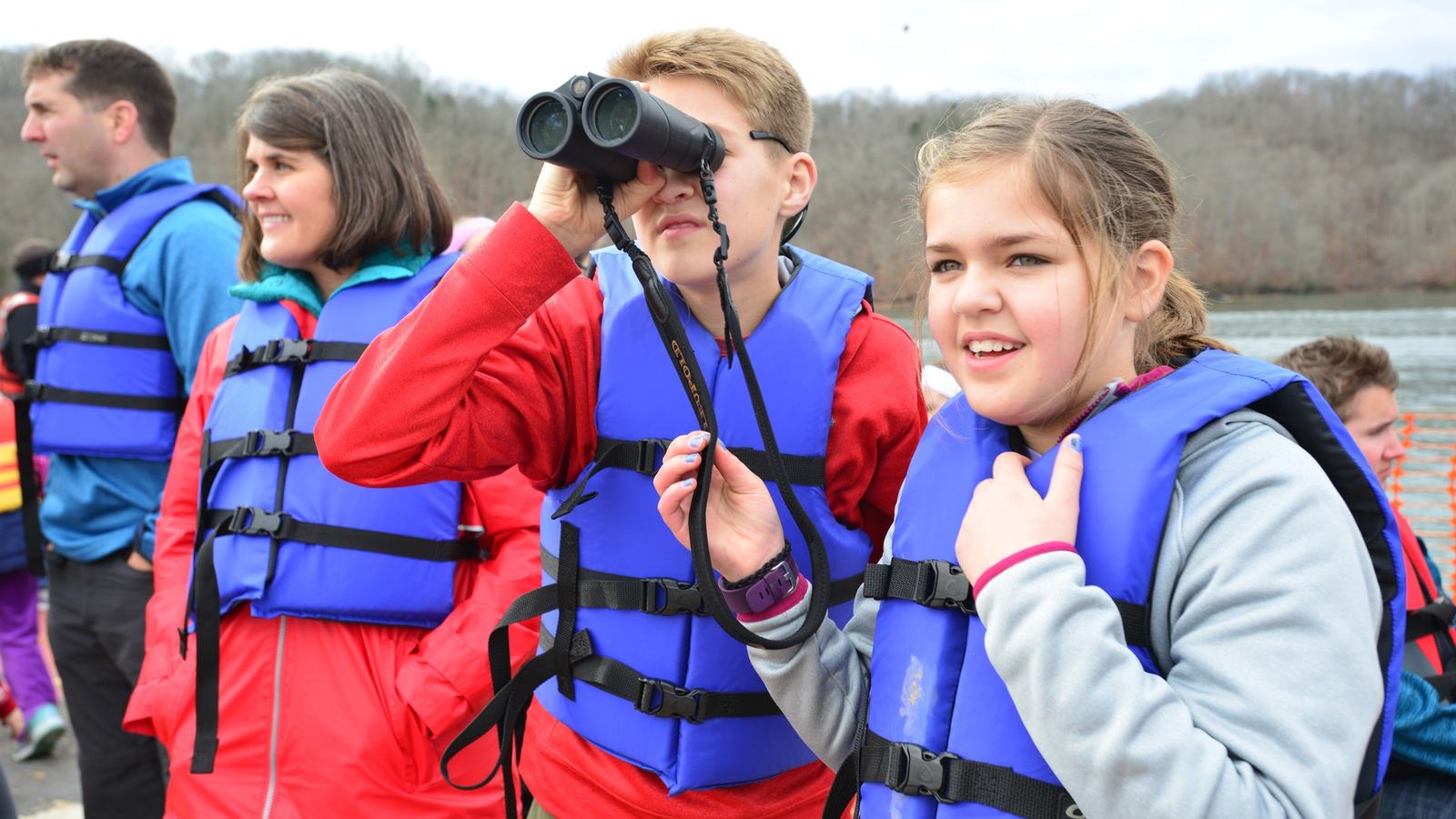
Kentucky State Parks highlights Dale Hollow’s birdlife and identifies Eagle Point as a fine overlook for water and surrounding countryside. The reservoir has also hosted Corps-organised eagle-watching cruises, where passengers scan the treeline from the water with binoculars. The combination of wooded shores and an elevated walking viewpoint makes wildlife watching a natural complement to a small-boat weekend.
Wildlife should be observed from a respectful distance. Slow down where safe, use binoculars rather than approaching a bird or nest closely, and leave animals to continue feeding or resting undisturbed. The reward often comes from remaining still in a suitable location rather than spending fuel in pursuit of a sighting.
Late autumn can offer beautiful light and changing colours, but it also requires more deliberate clothing and daylight planning. Bring dry layers and a thermos, and keep the outing short enough that nobody has to endure a chilly, windy return simply to complete a planned route. A wildlife cruise is still successful if the crew enjoys the woodland scenery but sees no eagles.
Eagle Point and the trails ashore
The state park provides several hiking options, with Eagle Point offering views of the lake’s islands and the landscape extending towards Tennessee. The routes have different starting points and walking distances, so a family should select one that suits the least experienced walker and the amount of daylight remaining. The walk works best after a secure return to an established marina or ramp, not after leaving a boat at an unverified shore.
For guests who prefer something less demanding, a lodge view or a shorter approved trail can deliver a sense of the place without a strenuous climb. Check current trail information and weather conditions; a wet or shaded path may be more challenging than its length suggests. Carry water and appropriate footwear rather than assuming a lakeside holiday is entirely a deck-shoe affair.
Above all, plan the day as one connected experience. An early boat outing, an unhurried lunch and a short walk can create a richer visit than two competing activities squeezed into a shrinking afternoon. The water and the woods are close enough to enjoy both when the schedule remains realistic.
Choosing a family-friendly cruise
A simple first-day route should stay within an easy return of the chosen launch or marina and include time to learn the local conditions. A second day can explore a different inlet if the weather remains favourable, but there is no obligation to cover a long stretch of the Kentucky-Tennessee reservoir in one go. Study the up-to-date chart and any Corps notices before committing to each part of the passage.
Be alert around other users. Fishing boats may be working a bank slowly, paddlers can be hard to see in reflected light, and a rented craft may be handled by a skipper with less experience than its size suggests. Leave generous room, slow down in narrow approaches and agree who is responsible for keeping watch when the scenery is particularly distracting.
Ask everyone aboard to help protect the boat’s safe rhythm. Drinks and snacks can wait until the vessel is properly secured, swimming must be separated from propellers and traffic, and a change in wind direction is a reason to reconsider the plan promptly. A relaxed weekend is one in which the skipper never needs to hurry to make up lost time.
Official information to carry
Start with Kentucky State Parks’ Dale Hollow Lake resort information for the ramp, marina and walking options. The U.S. Army Corps of Engineers lake guide explains boating facilities and sewage restrictions, while the EPA’s no-discharge-zone register confirms the designation for both states. For the 2026 environmental update, read the Corps’ May Clean Marina announcement and check each operator’s current services before visiting.