
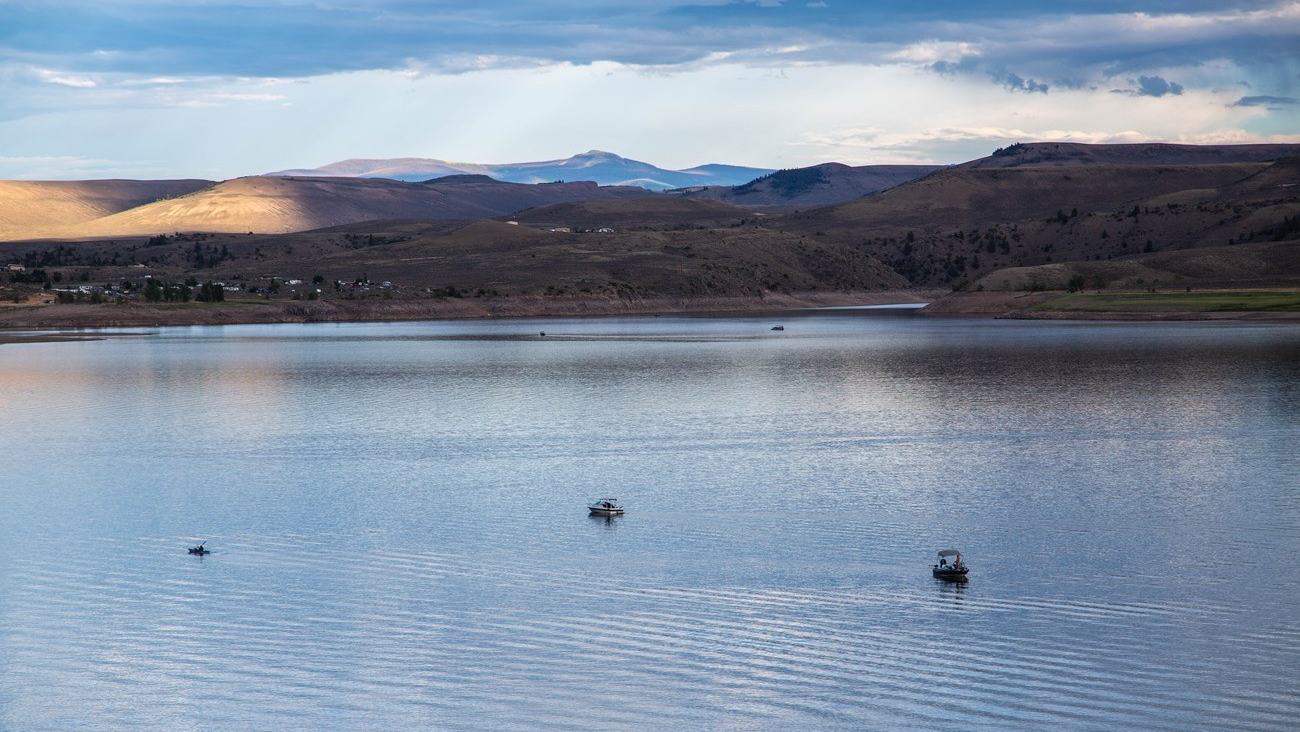
Curecanti National Recreation Area offers motorboating on Blue Mesa Reservoir, a large Colorado waterway with scenic arms, regulated launches and changing winds.
Colorado scenery from a small motorboat
Curecanti National Recreation Area provides a distinctive inland setting for boaters in western Colorado, with three reservoirs surrounded by dramatic terrain. Blue Mesa is the largest and most familiar, providing a broad waterway for motorboats, kayaks and other small craft. Its combination of open water, sheltered arms and mountain scenery can make it an appealing destination for a trailer-boat holiday.
The National Park Service describes Blue Mesa as the largest body of water in Colorado, with approximately ninety-six miles of shoreline. That scale creates room for different activities but also introduces challenges that are not present on a small lake. A skipper should plan around the forecast, the condition of launch facilities and the actual distance between usable shelters.
A reservoir with several possible routes
Blue Mesa's long shoreline includes arms that extend into quieter canyons, allowing a boat owner to design a scenic outing away from some of the busier open water. The correct route depends on the size of the craft, the skipper's experience and the available time. A short cruise near an established marina may be preferable to a long crossing undertaken only to reach a distant viewpoint.
The lake also supports activities including paddling, watersports and fishing where permitted. Different users move at very different speeds, making a careful lookout and respectful handling of wakes essential. A motorboat can reach places quickly, but the most rewarding journey may involve slow travel and short stops rather than covering the maximum possible distance.
Afternoon wind deserves attention
The Park Service warns boaters that Blue Mesa can experience strong afternoon winds. A calm departure from a sheltered shore is therefore not a guarantee of an easy return, especially on an exposed stretch of water. Wind can raise waves and affect the handling of a relatively small motorboat, particularly if the skipper has loaded it heavily or has little experience on large reservoirs.
A practical plan includes a suitable departure time, the latest local weather information and a conservative return window. The crew should know how to reduce speed safely in waves and where the nearest usable landing would be if conditions worsen. Postponing or shortening a cruise is preferable to relying on engine power to overcome unsuitable weather.
Launch inspections protect the reservoir
Curecanti requires inspection of motorised boats, sailboats and trailered watercraft before launching to help prevent the spread of aquatic invasive species, particularly zebra and quagga mussels. The Park Service encourages inspection of other hand-powered craft as well. The requirement is a routine part of boating here and should be factored into the day's schedule.
Owners need to arrive with the boat ready for inspection, having cleaned, drained and dried it after previous use. Water can remain in live wells, bilges and other compartments, and these areas deserve attention. The rules protect the ecological health of a shared waterway rather than simply adding paperwork at the ramp.
Permits and access arrangements
Boat-launch permits are available for different periods, with seven-day and seasonal options described through Recreation.gov. The Park Service also publishes information about obtaining permits through Elk Creek Visitor Center when connectivity is limited. Boaters should check current prices and the latest requirements before travelling.
Some federal pass categories provide discounts on launch permits while others do not. The correct arrangement depends on the permit and the visitor's eligibility. A responsible skipper confirms the relevant rules ahead of time and does not assume that holding a general national-parks entrance pass automatically covers expanded boating amenities.
Three reservoirs offer different experiences
Blue Mesa is only one part of Curecanti. Morrow Point and Crystal Reservoir offer other forms of water-based recreation, each shaped by a more confined landscape and different access arrangements. The Park Service highlights the rugged nature of Morrow Point, where paddlers may carry boats down a long staircase and trail before reaching the water.
Such access is unsuitable for many families or people transporting heavy motorboats. A small, portable paddlecraft may be the right tool for certain journeys, but the effort required to reach and leave the water deserves careful thought. A route should be chosen around the whole group and its equipment rather than solely for the scenery.
Morrow Point's challenging access
The Pine Creek Trail provides access toward Morrow Point Reservoir, involving approximately 232 steps before the route continues along the shore. The initial part of the water near the dam can move swiftly, and changing releases may create difficult conditions. These details illustrate why visitors cannot treat every Curecanti reservoir as an interchangeable boating destination.
A serious paddling trip on Morrow Point demands additional physical preparation and an understanding of the exit route. Carrying equipment back up the steps after hours on the water may be much harder than the descent. Visitors should consult the Park Service's current advice and not rely on old accounts of water levels or access arrangements.
A real view of boating at Blue Mesa
The official NPS photograph by Victoria Stauffenberg shows several boats on Blue Mesa with a marina in the background, providing a genuine representation of motorboat use in this recreation area. The image is not a generated vessel or a generic superyacht scene. It connects the report to the actual facilities and the scale of the water.
Owners considering a visit may prefer a modest dayboat or trailerable motorboat that suits the launch arrangements and the expected conditions. The right craft should offer sufficient freeboard and reliable equipment without overloading the crew with complexity. Local advice can help a visitor decide which area is suitable for their experience.
A holiday built around preparation
A successful outing combines attention to reservoir levels, inspection rules, permits and a realistic forecast. Once those details are settled, a small motorboat can provide a comfortable way to explore broad water framed by Colorado mountains. Time reserved for a relaxed return may allow the crew to enjoy the scenery rather than hurry across the lake.
The National Park Service's Curecanti boating guidance should be checked shortly before departure, because weather, water access and operating arrangements can change. Visitors who approach the reservoirs as distinct environments will be better placed to choose the right journey. Blue Mesa's attraction is not simply its size, but the sense of landscape available from a modest boat.