
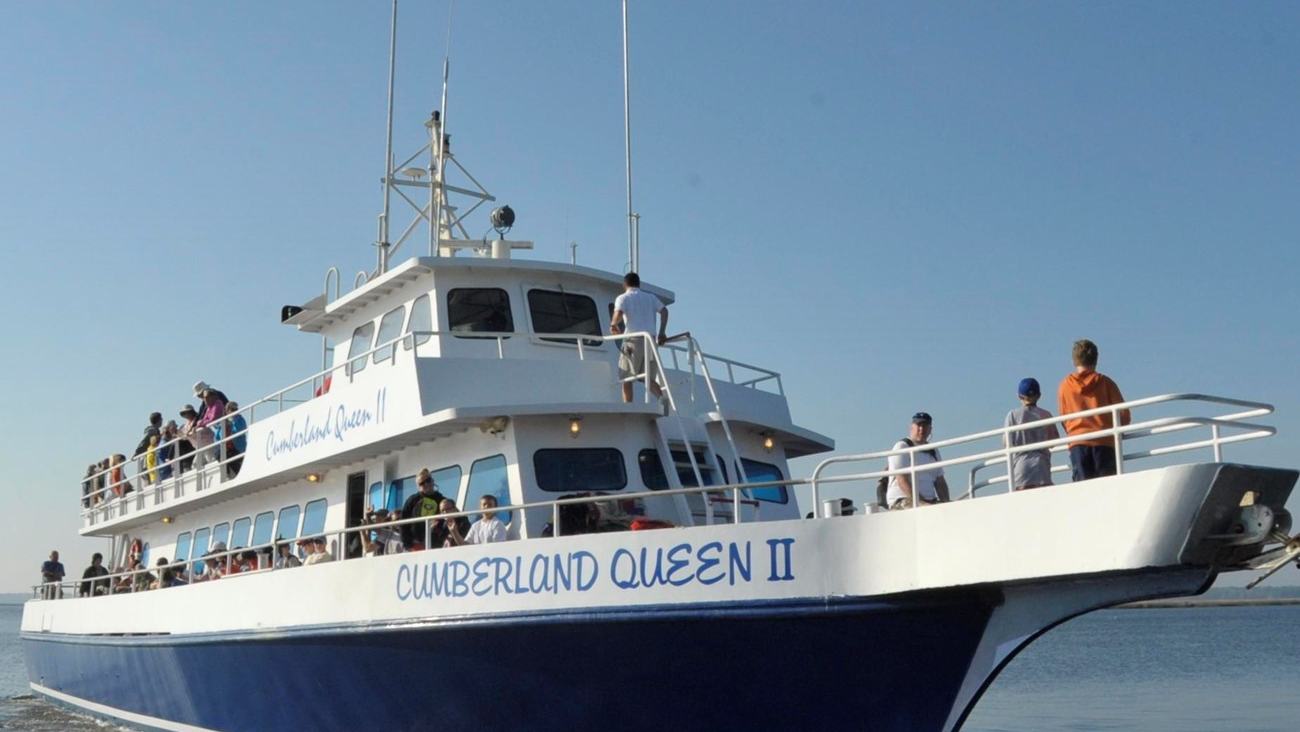
Cumberland Island's passenger ferry from St Marys is a practical gateway to Georgia's protected beaches and maritime forests. Plan the 45-minute crossing and day around the return timetable.
The island visit begins in St Marys
Cumberland Island National Seashore is a protected barrier island off the Georgia coast, with maritime forest, broad beaches and a history visible in its buildings and landscape. Most day visitors arrive on the authorised passenger ferry from St Marys rather than by their own boat. The crossing is part of the experience, but it is also the first constraint around which the entire island day needs to be arranged.
The National Park Service advises that ferry reservations are strongly encouraged because departures often sell out. The journey takes approximately forty-five minutes, and visitors should arrive at the correct departure point with enough time to complete the operator's check-in process. A confirmed ferry booking is separate from the park entrance fee, so guests should check all admission requirements when purchasing travel.
Cumberland is not a conventional beach resort with frequent transport and commercial services once ashore. Its appeal depends on a relatively undeveloped environment, and travellers should pack with that reality in mind. The best day is one where the boat timetable determines a manageable walk, rather than one where an ambitious sightseeing plan forces a hurried return to the landing.
Understanding the seasonal timetable
The National Park Service publishes spring, summer and autumn ferry service for the period from 1 March to 30 November, with operations seven days a week in the published schedule. Its winter timetable runs from December through February with fewer operating days. The exact departures and return sailings should always be confirmed directly; a seasonal schedule is a planning reference, not protection against unexpected changes.
The published timetable lists morning departures from St Marys, with return options from the island later in the day. One afternoon sailing is explicitly marked as operating only on selected days. This detail matters to visitors who expect to choose their return spontaneously, because the last suitable ferry can be earlier than a long beach walk or picnic would otherwise suggest.
Check-in timing deserves attention. The park warns that unclaimed reservations may be released when passengers fail to arrive in time, so it is not enough to purchase a ticket and reach St Marys just before departure. The practical plan is to park, find the correct terminal, complete any necessary park formalities and then board without creating a stressful beginning to the day.
Sea Camp and the island's first choices
The ferry generally brings visitors into an island environment where forest and beach are reached on foot. Sea Camp is a key arrival area and an important reference point for choosing the day's route. The island has no ordinary public car service for tourists; the experience is built around walking, cycling on permitted roads and carefully arranged authorised tours.
Before setting out, visitors should decide whether to focus on the historic district, a more relaxed beach walk or the characteristic maritime forest. These are different kinds of outing, and trying to combine every highlight can leave too little time for the return ferry. A map and an awareness of the walking distances are essential because the island can feel much larger once the afternoon heat begins to build.
The National Park Service also highlights facilities and interpretive material that explain Cumberland's human history. Historic structures and protected natural places reward attention, but visitors must follow posted access rules and avoid entering closed areas. Respect for the landscape includes giving wildlife space, remaining on appropriate routes and taking litter back to the mainland.
Water, shade and wildlife
An island day needs drinking water, food, sun protection, suitable shoes and an additional layer for shifting coastal conditions. Beaches may be open and sunny while forest tracks feel sheltered, creating a misleading sense of how much heat or walking a person has absorbed. Families should allow more time than an adult-only group for rests and return travel, especially when younger visitors are involved.
Wild horses are among Cumberland Island's best-known sights, but they are not domesticated animals to approach or feed. The Park Service asks visitors to maintain a respectful distance from wildlife. The island's ecological value depends on leaving animals undisturbed and avoiding the temptation to stage close-up photographs, particularly around narrow pathways or feeding areas.
Swimming and beach activities also call for an independent assessment of marine conditions. These are Atlantic-facing waters rather than a supervised resort pool. Visitors should consult current park safety guidance and avoid assuming that the existence of a beautiful beach guarantees a safe swimming day. It is entirely possible to enjoy the shoreline as a place for walking and observation without entering the water.
Getting the most from a ferry day
A rewarding itinerary may begin with a morning ferry, one principal walk through the forest and historic surroundings, lunch carried from the mainland, then a comfortable return to Sea Camp. Travellers who would rather spend time on the ocean beach can make that the central activity instead. The strength of the island is the opportunity to choose a single pace and follow it.
Seasonal weather and ferry capacity should remain central to planning. Confirm the actual sailing dates before organising accommodation in St Marys or arranging a long drive to the Georgia coast. The park's official pages and the ferry reservation provider are the correct places to resolve uncertainties about departures, fees, baggage and any current facility closures.
Cumberland Island works best for those who treat the water crossing, the island's history and its protected ecology as parts of one coherent experience. A carefully selected route and a generous margin for the final return sailing will usually produce a calmer and more satisfying visit than a race to reach every attraction. The island offers considerable rewards, provided its transport limits are respected.