
Cumberland Island National Seashore allows private boating and kayaking, with day-use docking rules and important tidal considerations for paddlers.
Arriving at Georgia's barrier island by water
Cumberland Island National Seashore is unusual because access is by boat rather than a normal road bridge. Many visitors arrive by ferry, while others bring a private small boat or travel by kayak. The ability to approach under your own power offers flexibility, but the island's restrictions make advance planning essential.
The National Park Service permits private vessel visits under specified conditions, and these need to be understood before deciding which craft to bring. A sheltered-looking landing place cannot be assumed to be available for every boat size or overnight stay. The permitted docks and tides should shape the day's itinerary.
A strict limit applies to private docking
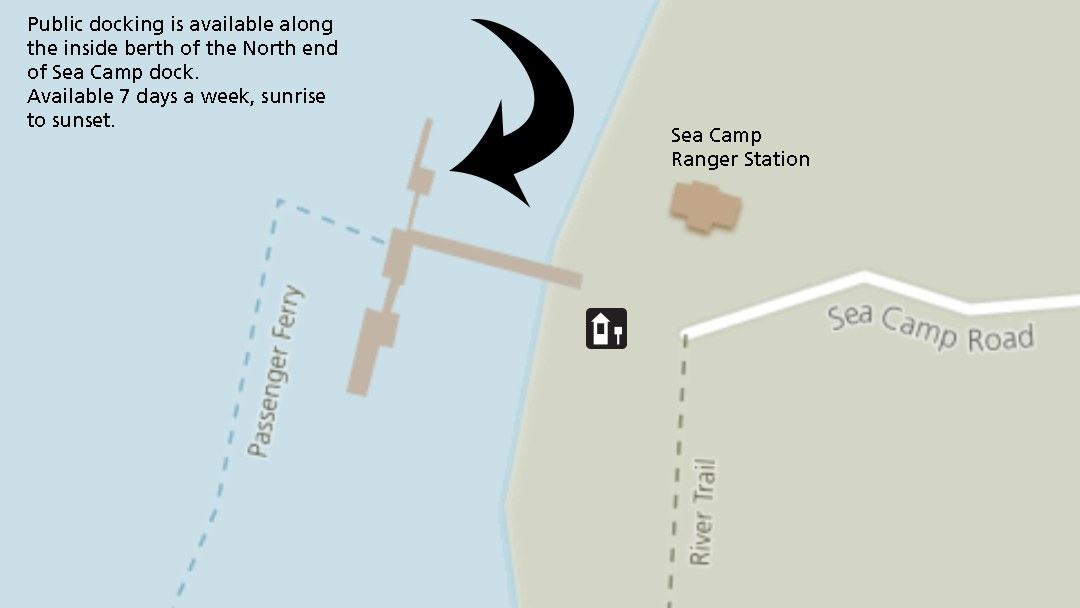
The park states that private boats using its public docks must be under twenty-five feet long. Docking is first come, first served and available during daylight hours between sunrise and sunset, with no overnight docking. Visitors need to observe these restrictions even if an available space looks large enough for another type of boat.
Owners whose craft exceeds the stated limit should not attempt to use the docks on the assumption that quiet conditions make it acceptable. A skipper should also have an alternative plan if the chosen berth is occupied. The last daylight ferry or a hoped-for empty pontoon is not a substitute for knowing how the boat will return safely.
Three docks are identified for day visitors
The Park Service lists Dungeness, Plum Orchard and Sea Camp as the current private-boating dock locations. At Sea Camp and Dungeness, designated northern dock extensions are available; Plum Orchard has wider docking access subject to park arrangements. These distinctions matter because not every part of a public pier is open for independent private-boating use.
Plum Orchard may close during managed hunts or special events, so the official notices should be checked before leaving shore. A visitor who wants to explore a specific part of the island should select the appropriate landing with those restrictions in mind. Allow enough time to walk back and reach the boat well before the permitted docking period ends.
Entrance fees still apply to boat arrivals
Bringing a private boat does not exempt visitors from the national seashore entrance fee. The Park Service provides payment arrangements at the docks and through other booking methods, and eligible passholders should carry their documentation. A family should budget for the visit separately from launch or marina costs on the mainland.
Overnight plans require a different level of preparation because docking is not available after sunset. Anyone intending to camp must consult the park's campsite rules and suitable way of reaching an approved campsite. It is important not to confuse permission to enter the park with permission to leave a vessel at a dock all night.
Tides are among the most important hazards
The area around Cumberland Island experiences strong tidal movement, with a rise and fall of approximately six to nine feet twice daily according to park guidance. That can dramatically alter the current and the height difference between water and a landing. A kayak journey that looks short on a map may become difficult against a strong stream.
Check tide information and the time needed to reach the intended dock or landing. Even experienced paddlers should avoid treating the distance alone as a measure of difficulty. Wind, current and unfamiliar channels may combine to make progress much slower than the outward trip suggested.
Kayak launch choices affect the journey
The National Park Service notes that some paddlers depart from Crooked River State Park, with other departures possible from St Marys or Amelia Island. Each changes the route, likely exposure and tidal considerations. Visitors should consider local advice and their own experience before selecting the starting point.
Kayaking can provide a rewarding approach to a barrier island, but it is not inherently safer than the park ferry. Groups should have suitable craft, flotation and communication equipment and a clear method of securing the kayak after landing. A first-time sea kayaker may prefer a guided trip rather than arranging a complex crossing alone.
Wilderness and beach rules need attention
Motorboats may not be beached in the park's designated wilderness area. Shore tying may be permitted in appropriate places, but visitors need to take account of oyster beds and rising or falling tide. A suitable place to hold a boat alongside a bank is not automatically a lawful overnight berth.
Wildlife and fragile island habitat also need protection. Avoid disturbing nesting birds or wildlife on the beaches, and do not create new trails through vegetation simply to shorten a walk. The island's appeal depends in part on maintaining an undeveloped character that can be damaged by careless landing.
Camping with a kayak involves paperwork
Kayakers who intend to camp need a campsite reservation and must carry the required printed permit. The park identifies specific places for bringing kayaks ashore near some campsites, including areas associated with Plum Orchard and Sea Camp. These arrangements differ from the rules applied to day-use private motorboat docks.
Camping equipment should be packed so that it remains dry during the crossing and can be carried without damaging the shore. Food and waste need to be managed according to park rules. A multi-day kayaking itinerary also requires a realistic forecast and an understanding of how an adverse weather day could delay the return journey.
Plan a modest island visit
A family arriving by small motorboat can choose a single dock and an achievable walk rather than trying to see every part of Cumberland in a day. The island's trails and historic landscapes provide plenty of reasons to spend time ashore, but the return to the boat must remain part of the schedule.
Take sufficient drinking water, sun protection and appropriate footwear, and keep important documents secure. There may be limited facilities at some locations. A clear plan for the permitted docking time will make the visit more relaxed than constantly watching the clock near sunset.
The final checklist for a private skipper
Confirm the boat is eligible for the dock, check the correct landing area and any current closures, review tide and weather forecasts, and understand entry-fee requirements. Make alternative arrangements if the dock is occupied, and plan to be away before overnight restrictions apply.
Cumberland Island is rewarding precisely because arriving feels like a small expedition. The combination of coastal scenery and strong tides deserves competent seamanship. With respectful docking and appropriate planning, a private-boat visit can give travellers a memorable view of the Georgia coast without compromising the island's protected setting.
Source
National Park Service