
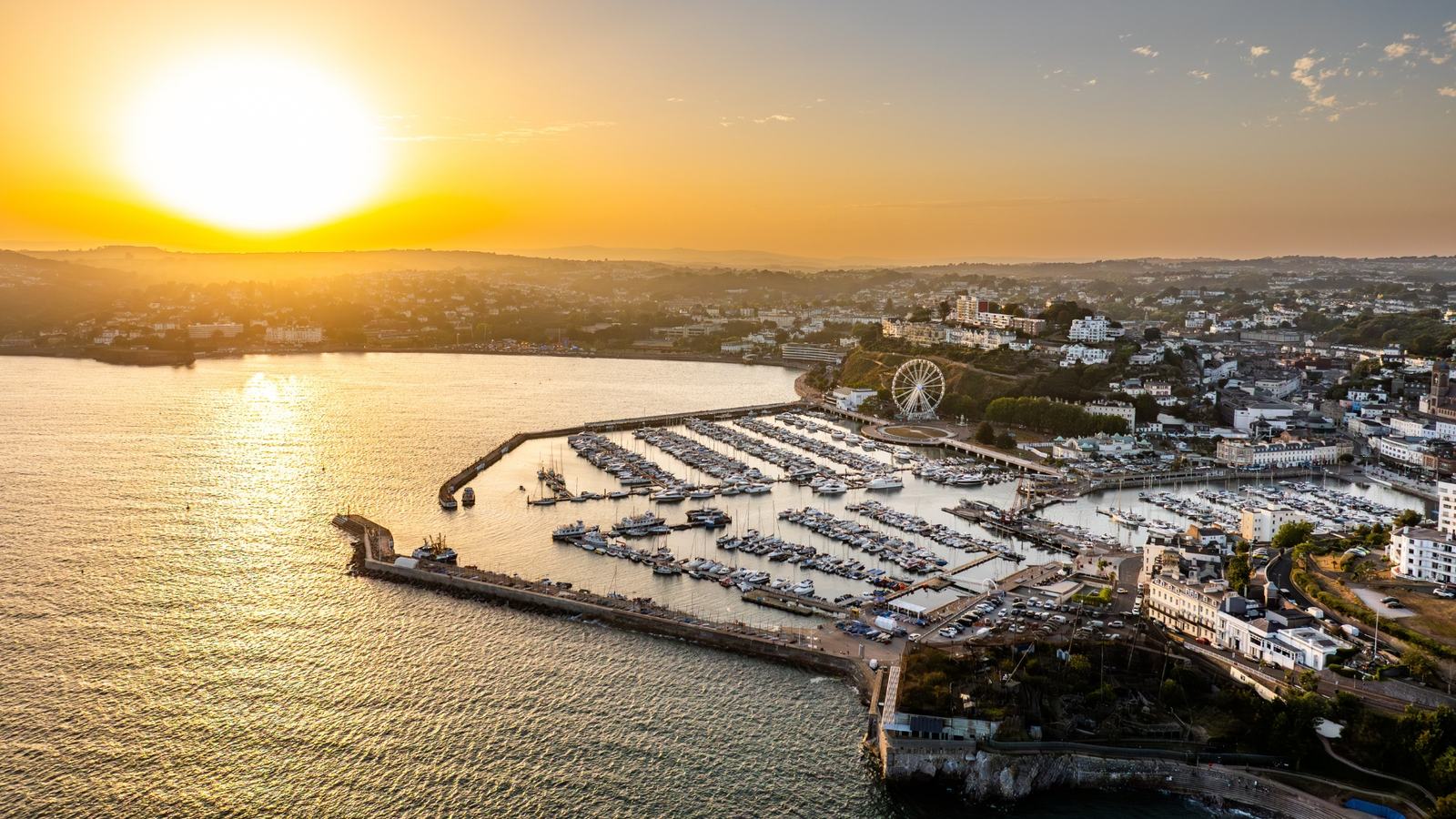
Plymouth is a flexible starting point for exploring Cornwall and South Devon by boat. This practical route-planning guide draws on MDL Marinas' advice to compare destinations, visitor berths, shore time and contingencies.
Plymouth offers pleasure boat owners a choice that few home ports can match: turn east towards South Devon's estuaries, turn west towards Cornwall or, with more time and the right conditions, plan a much longer passage. The decision is not simply about distance. Weather, tides, crew experience, visitor-berth availability and the pleasures of going ashore all shape whether a cruise feels relaxed or rushed. Advice published by MDL Marinas, drawing on Alex Warner at Queen Anne's Battery Marina in Plymouth, provides a useful framework for building an itinerary around those factors.
For many owners, the best trip is not the most ambitious one on the chart. A well-prepared weekend with time to explore a harbour can be more rewarding than a hurried coastal dash to meet an inflexible reservation. Start by deciding what the people on board actually want: sheltered scenery, a restaurant ashore, a beach afternoon, a longer passage or a new navigation challenge. That choice should guide the route, the planned stopping points and the acceptable weather window.
Start with Plymouth as a flexible base
Queen Anne's Battery Marina sits in Plymouth, giving visiting and resident crews access to Plymouth Sound and routes in both coastal directions. MDL highlights the range of facilities available at the marina, including a fuel berth and boatyard services. These facilities are useful when an overnight departure requires a final check, additional supplies or a repair before leaving the harbour. Confirm opening hours and availability with the operator rather than assuming every service will be available at any tide or hour.
Before setting off, study the harbour information and any current local notices. Plymouth is a working port, so leisure crews should pay attention to commercial traffic, restricted areas and the relevant harbour directions. Plan a departure time that fits the tide and visibility, then leave sufficient margin for slower-than-expected progress. A cruising plan becomes more resilient when its first day is deliberately manageable, especially if the crew has not been afloat recently.
Head west for Fowey or Falmouth
Fowey is one of the Cornish destinations named in MDL's cruising suggestions, offering an appealing balance of harbour character and time ashore. A visit is best approached as a complete experience rather than merely a navigational waypoint. Check the harbour's current visitor-arrival instructions, suitable berth or mooring arrangements, and any limits that apply to the size and draught of your boat. Leave time to enjoy the waterfront without feeling obliged to press straight on to the next stop.
Farther west, Falmouth opens up additional choices for a longer coastal itinerary. The attraction is flexibility: a crew can plan a short stay, explore the local area or make it part of a multi-stop holiday when conditions are suitable. That flexibility should not be confused with permission to improvise at the last minute. Confirm visitor arrangements, assess the passage between ports and hold a realistic diversion option for an unfavourable forecast.
Explore Noss Mayo, Salcombe and Torbay to the east
MDL also points Plymouth-based cruisers towards Noss Mayo, Salcombe and Torbay. These destinations offer distinctly different types of visit, from estuary scenery to larger harbours with a wider range of shore facilities. The most sensible choice depends on your craft, available time and the tide, not on which name looks closest on a map. Consult current harbour guidance for each destination, especially where entrances, river channels and visitor moorings require particular care.
Torbay can be useful when the crew wants a more conventional marina stop, while a smaller estuary visit may be better suited to a carefully planned daytime call. MDL identifies Torquay and Brixham marinas as options within its network and suggests them as extensions to a South West cruise. They are not interchangeable for every vessel or itinerary, so check the exact marina, available berth dimensions, facilities and access arrangements. A destination that suits a shallow-draught sportsboat may not suit a deep-keel yacht on the same tide.
Book visitor berths but retain alternatives
Popular coastal marinas can be busy, particularly around weekends, school holidays and events. MDL recommends arranging visitor berthing early and says that online booking can help crews plan availability before arrival. A confirmed berth gives the day a destination, but it should not encourage the skipper to continue into weather that is beyond the boat or crew. Keep the marina's contact details available, and agree how to update the operator if the estimated arrival changes.
It is prudent to identify at least one alternative port before departure, with its own access considerations and a workable contingency time. A berth reservation is only one element of a passage plan. The captain still needs a reliable weather forecast, tidal information, sufficient fuel and a realistic assessment of daylight. Consider the implications of a delay for crew transport, provisions and any subsequent booking so that changing course remains an easy safety decision rather than a financial frustration.
Consider the Isles of Scilly or a Channel passage only with the right preparation
For experienced crews with a longer window, MDL identifies the Isles of Scilly as a possible westward cruising objective. A crossing of that kind should be treated as a different undertaking from a casual harbour hop, because passage length, exposure, navigational demands and fallback options change the character of the trip. Review the boat's range, equipment, recent maintenance and the crew's endurance before selecting dates. Local navigation publications and current official information remain more authoritative than a generic destination article.
The source also mentions north-west France, including Trébeurden, as a more adventurous option from the Plymouth area. An international passage involves additional planning for travel documents, customs or reporting obligations, insurance, communications and the rules applicable to the vessel and people aboard. Requirements may change, so consult the relevant UK and French official guidance immediately before departure. Do not assume that a familiar domestic coastal checklist is sufficient for a cross-Channel cruise.
Prepare the boat for the actual itinerary
Practical preparation begins with the craft itself: propulsion, fuel, batteries, steering, bilge systems, navigation electronics, lights and safety equipment should all be appropriate to the proposed journey. Review charts and notices, calculate fuel reserves with a margin, and ensure communications and emergency procedures are understood by everyone on board. Carry provisions for an unplanned stop and remember that a minor delay can feel much longer if water, food, warm clothing or medication is in short supply.
The crew deserves as much attention as the machinery. Agree who will stand watch, who can take the helm if needed and how to respond to seasickness, fatigue or deteriorating conditions. Give less-experienced passengers a realistic picture of the time at sea and the likely sea state rather than promising a timetable that cannot be guaranteed. The best cruising plans allow time for rest and discovery, which is why an additional harbour night can be a success rather than a failure.
Make the shore visit part of the plan
A memorable itinerary has a rhythm: a considered departure, an enjoyable passage, an unhurried arrival and time to appreciate the destination. A short run into Plymouth Sound or a local anchorage may deliver a better family day than a passage undertaken solely to accumulate miles. MDL's advice even suggests exploring places close to a home berth rather than overlooking them in the search for a distant port. Check local anchoring permissions, environmental protections, depth and holding before deciding where to stop.
For boat owners contemplating a South West cruise, Plymouth's great asset is the variety of routes it permits rather than any single recommended circuit. Use MDL's destination ideas as inspiration, then build a route from up-to-date charts, port guidance, weather, tides and the people aboard. A flexible plan, with appropriate marina bookings and alternatives, leaves room for the unexpected pleasures that make coastal cruising special. When conditions are not right, postponing a leg is simply part of responsible seamanship.