
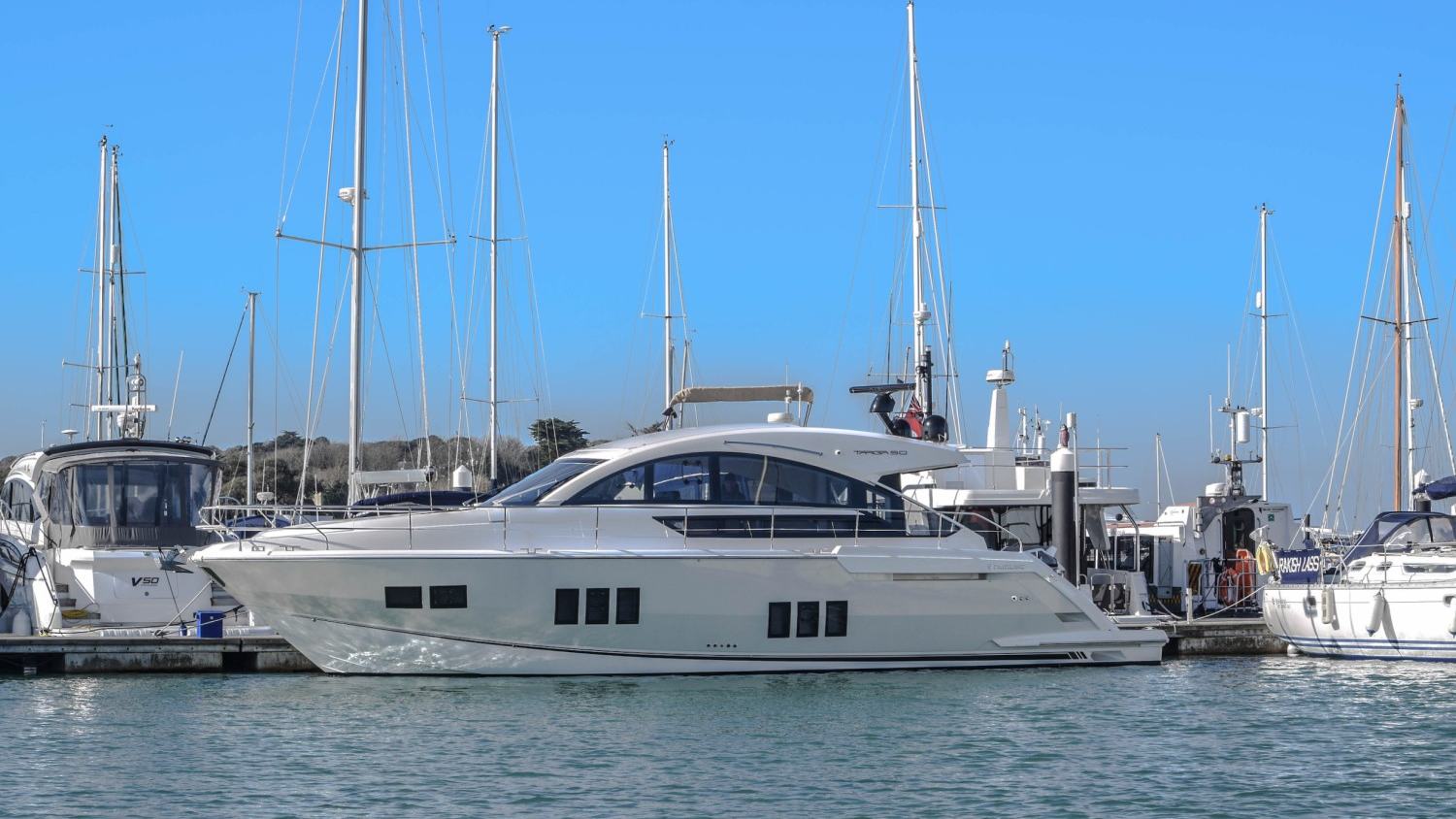
A practical two-harbour Isle of Wight weekend for small-boat crews, with Cowes and Yarmouth visitor information, optional West Wight walks, and sensible tidal, weather and berthing considerations drawn from official harbour and tourism sources.
Two harbours, two sides of the island
A boating break on the north coast of the Isle of Wight can offer more variety than a long passage made simply to accumulate miles. Cowes, at the mouth of the Medina, is a working sailing centre with marinas and an active waterfront. Yarmouth, farther west on the island's Solent-facing shore, provides a compact harbour town and easy access to the quieter countryside of West Wight. Together they make a rewarding two-harbour itinerary for a crew that wants time ashore as well as time under way.
The attraction lies in contrast. Cowes has the energy of a town shaped by sailing, yacht clubs and maritime services, while Yarmouth is smaller and offers a gentler base for walking, cycling and exploring the western end of the island. Neither should be approached as a guaranteed berth: visitor availability, local directions and weather conditions deserve attention before departure.
This is a flexible weekend suggestion rather than a set of navigation instructions. The Solent is busy with commercial shipping, ferries and leisure craft, and tidal streams can be influential. Skippers should use current charts, official harbour notices, tide predictions and the latest forecast to develop their own passage plan, and should shorten or postpone the trip if conditions make it unsuitable.
Start in Cowes with a proper waterfront stop
Cowes Harbour Commission describes Shepards Marina as a centrally located facility with walk-ashore pontoons, water and electricity. Its published information also identifies deep-water berths that can accommodate yachts up to 40 metres, although actual allocation and berth suitability need direct confirmation. For leisure boaters on a short visit, being able to step ashore near Cowes High Street is one of the marina's practical advantages.
The Commission's harbour information sets out other mooring possibilities, including river pontoons, swinging moorings and facilities farther up the Medina. Different locations involve different arrangements, berthing masters and radio channels. It is worth confirming the intended berth before arriving instead of assuming that all Cowes moorings share the same contact or manoeuvring conditions.
Take time to enjoy Cowes itself rather than treating it solely as a starting point. The town's waterfront and streets reflect a long association with recreational sailing, and a walk along the shore makes a satisfying first afternoon after securing the boat. A crew travelling with younger children can make the day more relaxed by planning one leisurely shore activity rather than trying to inspect every attraction at once.
Before leaving, review the day's traffic picture and the forecast with the actual boat in mind. Cowes Harbour Commission publishes local guidance and notices, while marinas can advise about their own access and available assistance. Neither a calm-looking basin nor a short distance on a smartphone map eliminates the need for careful handling once in open Solent water.
Continue west to Yarmouth
Yarmouth Harbour Commissioners welcome visiting yachts and motorboats throughout the year and report more than 150 visitor berths available daily. Most are allocated by berthing masters on arrival, with a limited number available to book beforehand. The harbour also describes on-water berthing assistance, a useful service for crews who would prefer guidance when manoeuvring in a busy or unfamiliar basin.
The harbour's own website identifies VHF Channel 68 for harbour communications and provides dedicated information on approaches, tides and visitor facilities. Those sources are more appropriate for arrival planning than a travel article, especially when the wind is fresh or the current is running. Confirm the relevant entry instructions and the berthing arrangement before the final approach.
A short stay in Yarmouth is rewarding even without a car. The harbour sits next to a small town whose scale encourages a slower day, and the surrounding area offers opportunities for walks and local excursions. Instead of making a tight schedule, leave some time to watch the comings and goings in the harbour and simply enjoy a settled berth.
The harbour authority's published visitor material includes practical services, while the official Isle of Wight tourism website identifies Yarmouth as a gateway to the island's western landscape. Crews might choose a relaxed lunch or a walk inland rather than immediately taking the boat out again. A flexible plan also allows extra margin if arriving at the harbour takes longer than anticipated.
The Needles and the quieter West Wight
The Needles are among the island's most recognisable coastal landmarks, but the chalk stacks and lighthouse belong to a more exposed part of the coast beyond the quieter western Solent. The National Trust manages the Needles Headland and Tennyson Down visitor area, describing open chalk downland, cliff views and walking routes towards the historic batteries. For many crews, seeing the scene safely from the land is the most straightforward way to appreciate it.
An optional boat excursion towards the Needles should only be considered after a specific review of conditions, passage routes and tidal streams. The western approaches and adjacent waters can be demanding, and a photograph taken in benign weather is no evidence of suitable conditions on the day. There is no obligation to navigate near the rocks in order to have a successful Isle of Wight weekend.
The National Trust also highlights the Needles Old Battery and the walking landscape around Tennyson Down. The viewpoint makes a memorable shoreside outing, while the site's historical material explains how the coast has been used for defence and maritime navigation. Do not confuse the lighthouse with a visitor attraction that can be entered: the National Trust says it is not open to the public.
Yarmouth offers a convenient base for reaching other parts of West Wight without taking the boat into every bay. That is often a sensible choice for families and less experienced crews, particularly when the forecast is mixed. The point of a short boating holiday is to enjoy a place at a comfortable pace, not to insist on completing a predetermined circuit.
A realistic two-night plan
For a two-night outing, one approach is to spend the first afternoon and evening in Cowes, then use the following day for the westward leg to Yarmouth and a relaxed evening ashore. The final day can be reserved for a shoreside visit or the return passage, depending on the departure point and the weather window. A crew already based elsewhere in the Solent might reverse the order without changing the character of the holiday.
Make contact with the marinas or harbour teams before setting out and check whether berths can be reserved or are allocated on arrival. In Yarmouth the harbour authority explicitly distinguishes a limited number of advance bookings from its wider on-arrival visitor capacity. Treat both harbour availability and any published opening information as subject to current operational conditions.
On board, check fuel range, safety equipment, charts, tides and means of communication appropriate to the vessel. Allow for the traffic and wash associated with ferries and commercial movements in addition to other leisure craft. A short coastal leg can still become tiring if the boat or crew is not prepared for the actual conditions.
Finally, plan an alternative. If berth capacity, weather or traffic make the second stop unattractive, a shorter outing with more time in Cowes or a shore-based West Wight visit can be equally enjoyable. The strongest small-boat weekends are usually the ones that leave enough flexibility to make good decisions as the day unfolds.
Information in this guide is drawn from Yarmouth Harbour Commissioners, Cowes Harbour Commission's Shepards Marina guidance, the official Isle of Wight visitor guide and the National Trust's Needles Headland information. It is destination advice, not a substitute for the current official navigation publications and notices.