
Explore Coniston Water by rowing boat, dinghy or small motorboat, with official lake rules, practical shore access, Brantwood and a slower Lake District itinerary.
Why Coniston rewards a slower boat
Coniston Water is one of the Lake District's most approachable places to enjoy a small boat without treating the outing as a race. The National Park describes a lake around five miles long and half a mile wide, set among dramatic fells and wooded shores. That scale gives a family or sailing pair room to explore while still making distance, weather and a planned return important. From the water, the village and surrounding hills take on a different perspective; a simple electric boat or rowing boat can be enough for a memorable afternoon. The point is to choose a craft suited to the crew and conditions rather than attempting to cover every corner of the lake in a single trip.
Coniston is also a working shared waterway. Paddleboarders, swimmers, dinghy sailors, motor craft and passenger launches may all be present, sometimes close to jetties and popular shore access. A leisurely plan leaves time to give way, avoid wake near others and pause safely without obstructing a service boat. Photographs can suggest tranquil isolation even when a busy holiday afternoon feels quite different. Starting early or visiting outside peak demand may help, but the decision to launch should still depend on forecast wind and the equipment available to your group.
Start with the official boating centre
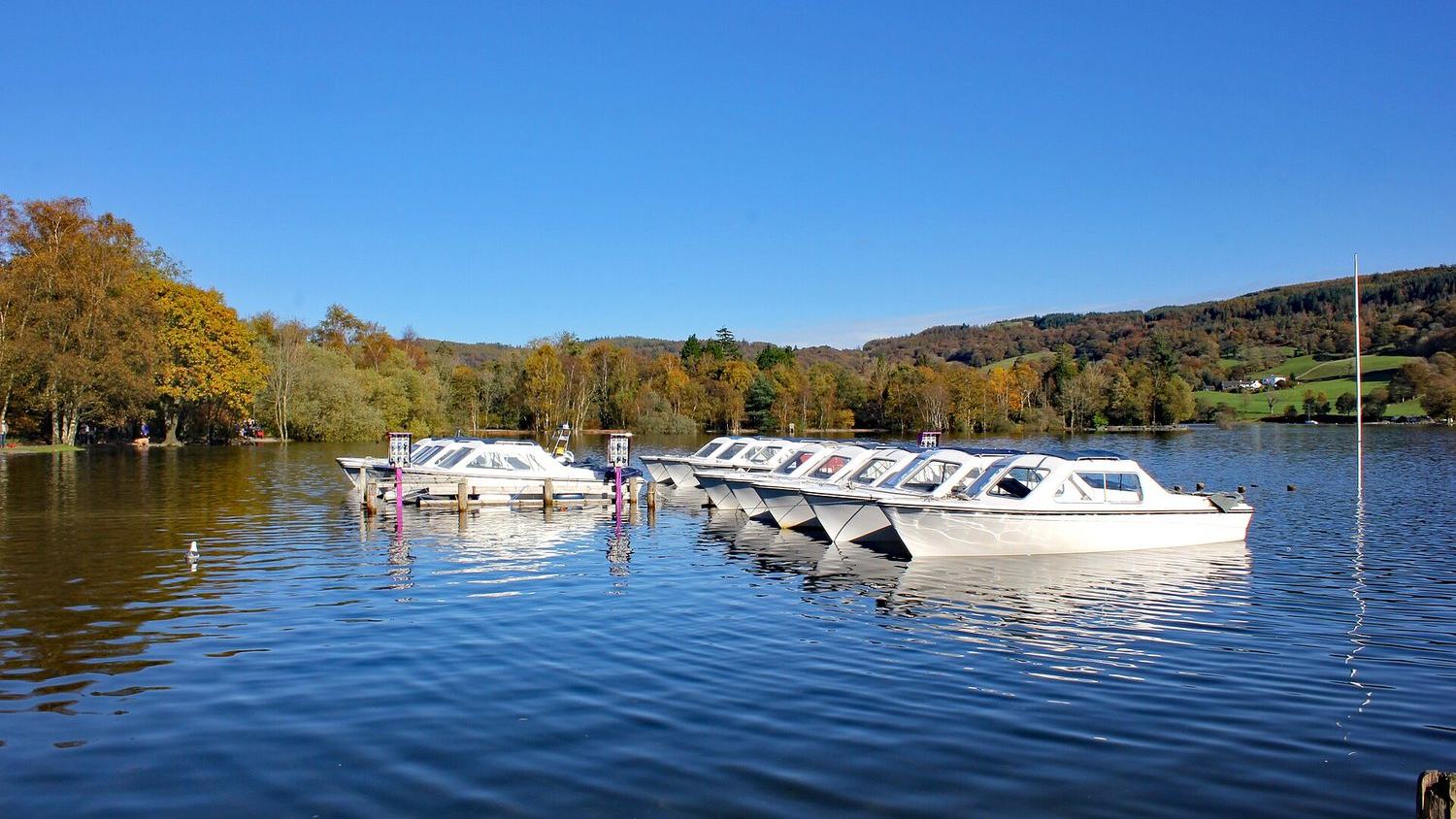
The Lake District National Park operates Coniston Boating Centre on Lake Road at Coniston, with hire options including motorboats, rowing boats, sit-on-top kayaks, Canadian canoes and paddleboards. That mix makes the destination suitable for visitors who do not own a trailer boat. It also means the first practical step is choosing the activity rather than simply booking whichever craft is available. A rowing boat may suit a short relaxed outing; a kayak demands more attention to balance, clothing and wind. A motorboat can offer family convenience, but the skipper must understand its controls, safe loading and the restrictions that apply on the lake.
Hire conditions, weather limits and availability change, so check the operator's current guidance before setting off. If bringing a private boat, do not assume that a hire-centre jetty or beach is automatically a public launch. Confirm where a particular craft can be put in, whether a trailer can be parked and which fee or permission is required. Arriving with a large trailer at a narrow lane intended for pedestrians can disrupt other visitors and spoil the day before anyone reaches the water.
The ten-mile-per-hour rule is central
Coniston Water's official byelaws set a maximum of 10 miles per hour for power-driven vessels, subject to specified exemptions or permissions. This is a statutory miles-per-hour figure, not a general encouragement to use a fast boat at a little below planing speed. A modest powered craft or electrically propelled boat can be especially appropriate on a lake where progress is meant to coexist with paddlers and sailors. The rule also makes trip timing realistic: a crew should calculate whether the proposed distance can be covered comfortably without rushing, and with time left for an unplanned stop.
Speed is only one part of respectful operation. Near a moored boat, swimmer or narrow landing, even a vessel moving below the formal limit can make an intrusive wake or create an avoidable hazard. Slow down earlier than necessary, keep a proper lookout and avoid crossing close ahead of a dinghy. If a hired motorboat feels unfamiliar, practise stopping and steering in clear water before approaching a crowded quay. The lake's limits should guide a relaxed itinerary rather than become a target the skipper tries to maintain.
Passenger launches are part of the scene
The National Park identifies the historic National Trust Steam Yacht Gondola and the Coniston Launch service as familiar parts of the lake's visitor network. Their routes and stops help connect places such as Coniston Boating Centre, Brantwood and Lake Bank, though operating patterns vary by season and operator. For someone bringing a small dinghy, those vessels are a reminder that the lake is not an empty playground. Commercial passenger boats require adequate room to turn and approach jetties, and passengers may be boarding or disembarking where a private visitor hopes to pause.
Watch the direction and speed of larger craft rather than making last-second assumptions about their movements. In a small rowing boat, crossing a launch's path can be uncomfortable and unnecessary. The best option is usually to maintain a predictable course well away from its approach. For visitors who prefer not to hire, a passenger trip can provide a useful overview of the shoreline before deciding where to spend time on a later outing. Either way, respect the working nature of the piers.
A shoreline with public and private sections
Coniston's shores mix accessible visitor areas with private land and locations that may allow a landing without allowing a motorised launch. Official lake maps distinguish those arrangements, so a promising beach seen from the water should not be treated as an invitation to go ashore. A day plan is more dependable when it uses known public access points and allows passengers to visit facilities where they are expressly available. Crews should also be mindful of nesting birds, reeds and people enjoying quiet shore stretches. Approaching slowly protects habitats and reduces the chance of striking submerged stones.
A small boat's shallow draught can tempt a skipper to take shortcuts near the margin, but hidden rock ledges, weed and changing water levels can still damage a propeller or rudder. The shoreline is not uniformly suitable for beaching. If anchoring, use equipment sized for the craft and avoid dragging an anchor through sensitive vegetation. Carry waste back aboard, do not leave improvised mooring lines tied to trees and ensure children understand that access on foot may not extend beyond the immediate public shore.
Brantwood supplies a cultural stopping point
Brantwood, the former home of writer and art critic John Ruskin, is one of the distinctive landmarks on the eastern side of Coniston Water. The lake's passenger services have historically provided an attractive way to reach its jetty, although visitors should check current admission, opening arrangements and landing permission. A small-boat outing benefits from such a destination because it gives the route a purpose beyond simply covering distance. A family might choose a short water excursion and a separate walk or visit rather than trying to combine a long cruise, lunch and several crowded shore stops.
A practical skipper should not confuse a launch landing associated with a visitor attraction with a general berth available to private craft. Identify permitted facilities in advance or use established public transport to reach the attraction on another day. The more ambitious the shore programme, the more time must be budgeted for changing weather and the return to the launch site. Coniston is rewarding even if the crew chooses to remain afloat and admire the changing views.
Fell weather changes the calculation
Wind funnelled by the surrounding hills can make part of an apparently sheltered lake surprisingly uncomfortable for a low-powered boat or paddler. Conditions at the car park may not describe the middle of the water, and a pleasant breeze on the outward leg can become hard work when rowing or paddling home. Check a credible local forecast, consider the direction of any gusts and identify where to shorten the trip if the surface becomes rough. The choice between a motorboat, open sailing dinghy and kayak should reflect the least experienced participant, not the strongest.
Cold water is an important consideration throughout much of the year. Anyone who falls in may lose dexterity and strength long before they can swim far, even when the weather feels warm. Properly fitted buoyancy aids or lifejackets, suitable clothing, a clear method of raising the alarm and a conservative distance from shelter are basic planning. A mobile phone should be protected from water, but it is not a reason to leave shore without telling someone where you intend to go.
Simple equipment and sound habits
For a private small boat, check propulsion, fuel or battery, steering, bailer, anchor, rope and the equipment required under the applicable rules. Inspect the hull and drain plugs before launch, and make sure the crew understands how to stop the engine. Check where to stow a paddle or alternative means of propulsion if appropriate. Spare warmth and drinking water matter on a lake trip that might last longer than planned. A full-size offshore kit is not necessarily appropriate for a rowing boat, but every craft needs a sensible response to foreseeable problems.
Family members should wear their flotation equipment rather than store it underneath bags where it cannot help. Keep weight low and balanced, particularly when boarding from a jetty. Before departure, point out how to sit still during a turn, how to keep hands clear of a pontoon and why nobody should stand suddenly in a small craft. Small mistakes can cause more difficulty than the modest speed suggests. Good boating habits leave everyone more time to appreciate the scenery.
An outing that fits the clock
A practical first visit might begin with an early launch, a slow passage along the sheltered part of the shore, a view towards the fells and a return before the afternoon becomes busy. A confident crew could plan a longer route, but it should only be extended after confirming the boat's range, available landing points and forecast. Allow generous margins for waiting at jetties and for giving way to other boats. If the return involves a headwind, the timetable needs to account for substantially slower progress than on the outward passage.
Families hiring for a limited period should prioritise a few memorable views over a checklist of stops. Do not promise children a landing on a private shore or a meal at a jetty where private mooring is not available. A well-planned short trip can leave time for walking, a visit to Coniston village or a relaxed shore picnic after the boat is securely returned. The pleasure of this lake lies in the experience of being on the water, not in maximising miles.
Why Coniston belongs on a small-boat list
Coniston Water combines accessible hire options, a varied shoreline, cultural landmarks and clear official boating information. Its ten-mile-per-hour limit supports a style of travel that suits small craft, although the lake still deserves the respect given to open water. The National Park's published maps and byelaws provide the starting point for decisions about launching and access, while local weather and hire operators supply the information needed for the actual day. It is important to check those details rather than rely on a general destination description or an old photograph.
For an owner, Coniston is a chance to practise considerate low-speed cruising and thoughtful shared-water behaviour. For a newcomer, it offers the pleasure of rowing, paddling or renting a modest motorboat in a celebrated landscape. Both can enjoy it without excessive speed, an elaborate itinerary or expensive equipment. A careful start, conservative route and safe return are the ingredients of the trip. That is the kind of boating holiday this distinctive Lake District waterway does particularly well.
Sources: Lake District National Park's lake activities guide and the official Coniston Water byelaws. Photograph: boats on Coniston Water by Jeff Buck, Wikimedia Commons, CC BY-SA 2.0; resized for presentation.
