
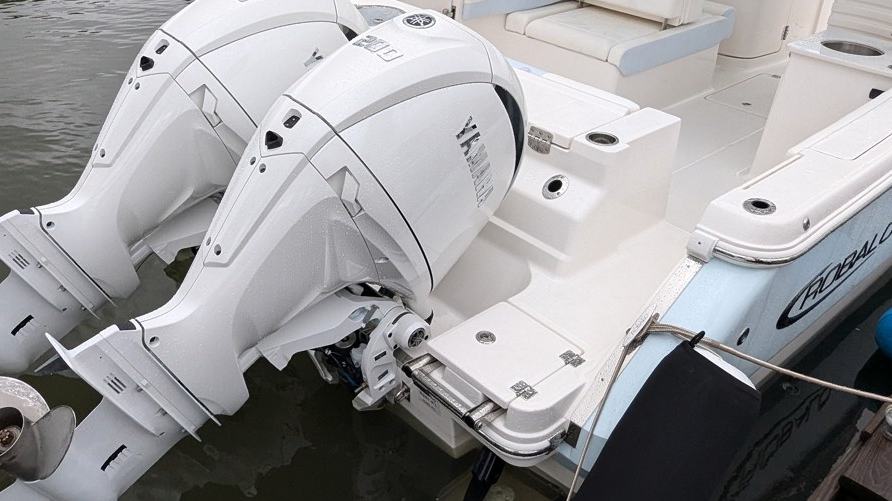
Yamaha Blue Life explains why horsepower choice should start with the boat’s rating and real-world use rather than headline engine size.
Start with the rating plate
Every boat has limits set by its design and certification. The maximum rated horsepower should never be treated as a suggestion to exceed.
Within that limit, there may still be several sensible engine choices. The best one depends on how the boat is actually used.
Think about normal load
A lightly loaded boat and the same boat with family, fuel and gear can behave very differently. More weight increases the power needed to plane and cruise efficiently.
Owners should think about the heaviest realistic day, not just a solo test run. That produces a more useful engine choice.
Bigger is not always better
A larger engine may add weight, cost and fuel burn. A smaller engine may work hard all the time if the boat is usually heavily loaded.
The aim is balance. Comfortable cruise speed and good control matter more than maximum top speed for most leisure boaters.
Ask for real examples
Dealer experience and manufacturer performance data can help narrow the decision. Similar boats with known loads provide more useful guidance than generic horsepower rules.
For LBG readers, engine choice is a long-term ownership decision. Taking time before purchase can improve every trip that follows.
Source
Yamaha Blue Life