
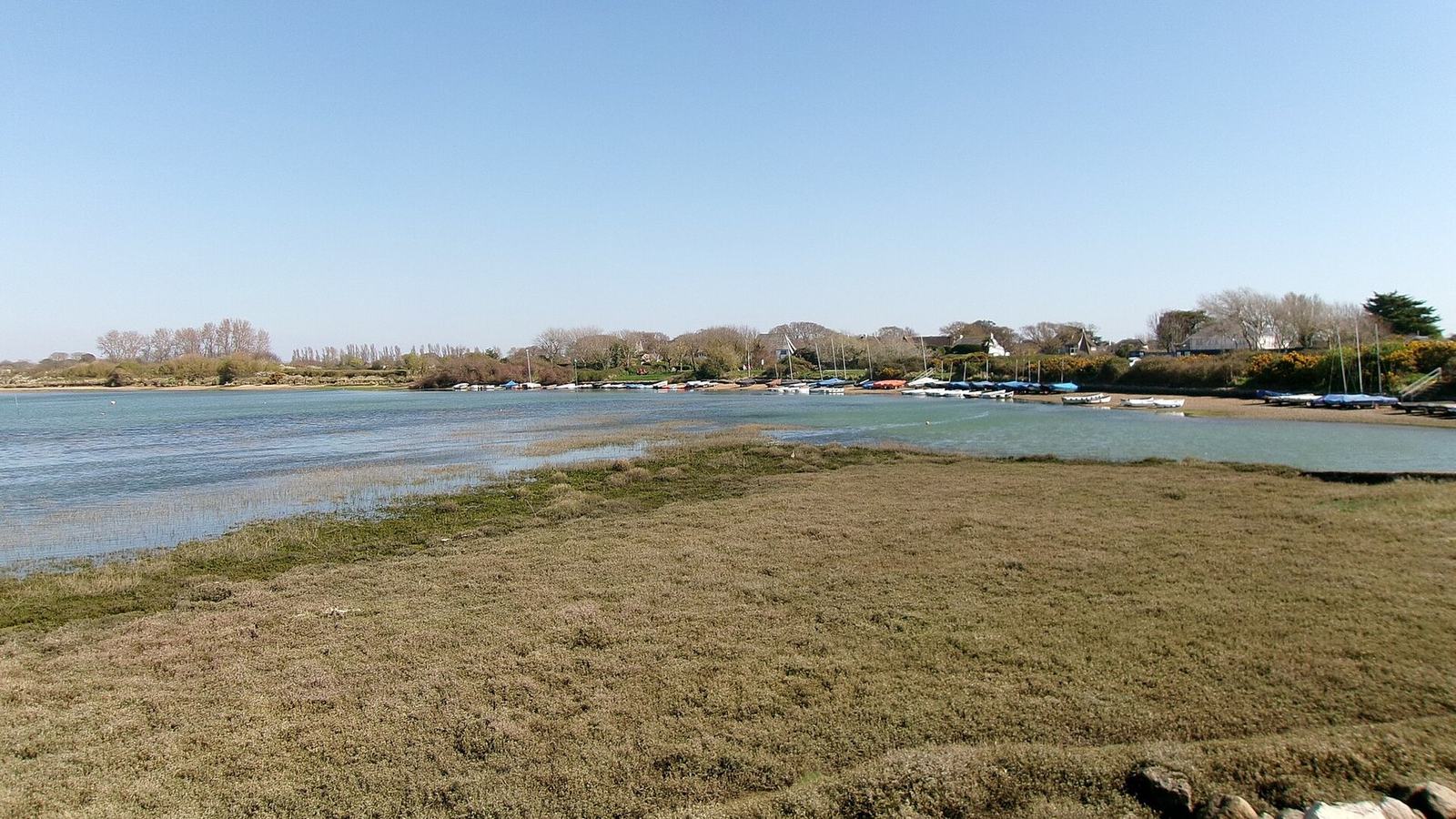
A practical small-boat escape in Chichester Harbour, from tidal planning and Itchenor stops to wildlife-minded cruising and harbour-dues checks.
A harbour that suits an unhurried boat
Chichester Harbour is an excellent reminder that an enjoyable boating weekend does not require a large yacht or a long offshore passage. The Conservancy describes an extensive network of marked channels, sheltered water and waterside communities with access to the Solent. For a compact sailing cruiser, outboard-powered runabout or practical trailer boat, that combination makes the journey itself part of the destination. The shoreline has more to offer than a single marina arrival: quiet creeks, sailing clubs, working waterfronts and the pleasure of seeing familiar English landscapes from the water.
The catch is that sheltered does not mean featureless or risk-free. Shallow ground, drying banks, tidal streams, moorings and busy summer traffic demand attention even when the wider Solent looks comparatively calm. The most rewarding weekend is built around the vessel's draft, the crew's confidence and a conservative passage plan. Treat this as a framework for choosing stops, not as pilotage instructions: current charts, the Conservancy's notices to mariners and the weather forecast must always govern navigation.
Plan around the tide, not the lunch reservation
Begin by working backwards from the boat's practical operating limits. A shallow-draft dinghy, a small displacement cruiser and a faster planing boat may each have very different choices at low water. Check local tidal heights, stream information, the latest channel markings and the predicted wind direction before making promises about where you will eat or sleep. Look for an arrival window with generous margins, particularly if the crew is unfamiliar with entering a tidal harbour from open water. Keep an alternative landing or turning point available.
A sensible timetable also makes room for the return. A morning departure that seems comfortable in fine conditions can become awkward when the wind increases over an ebb tide or the crew runs late ashore. If visiting by trailer, confirm the slipway's operating arrangements, parking and retrieval access; an attractive launch site on a map is not necessarily usable for every craft at every stage of tide. Save the harbour office contact, but never make an office telephone conversation a substitute for a chart or official direction.
Use Itchenor as a practical first destination
The Conservancy says the upgraded Itchenor jetty now provides both short-stay and overnight walk-ashore options for visitors, following improvements introduced for the 2025 season. This is especially useful for smaller crews who prefer not to rely on a tender merely to go ashore. A modest itinerary might focus on reaching Itchenor calmly, tying up according to harbour staff instructions, stretching the legs and enjoying the village before deciding whether conditions support a second stop. Short passages allow more time to notice the harbour rather than hurry through it.
Do not assume that an announced facility guarantees an empty berth on the day. Check current availability, time limits, landing rules and any booking or fee requirements directly with the Conservancy. Keep fenders and lines prepared on both sides, brief one crew member to communicate clearly and approach at a speed that allows the helm to stop or turn without drama. Busy landing places are where a relaxed voyage can become stressful if everybody begins improvising at once.
The ordinary pleasures of the shoreline
Chichester Harbour's appeal is as much about the landscape as the logistics. There is time to watch dinghy fleets practising, see how the tide changes the contours of the mudflats and find an open stretch of water where the engine can rest. A small boat often places visitors close to the textures of the estuary: marsh edges, low shores, birds feeding at the waterline and old village approaches that make sense only from the creek. A good camera and a flask can be more rewarding here than another high-speed run.
For visitors hoping for a waterside meal, research the landing arrangement before setting out. A restaurant near the water is not always accessible from a public landing, and a charted mooring may belong to someone else. Plan the walk ashore as deliberately as the passage afloat: where can the crew legally leave the boat, how long may it stay, and how will everyone return if the weather changes? This modest discipline protects the enjoyment of the day and avoids creating friction with residents or other harbour users.
Harbour dues apply to visitors too
One easily missed detail is that Chichester Harbour operates a harbour-dues system covering visiting craft as well as locally based boats. The Conservancy explicitly includes tenders, canoes, kayaks, paddleboards and other smaller watercraft within its visitor-dues information. It also explains the requirement to display a valid dues plaque. The precise payment channel or amount may differ by type of vessel and how long it remains in the harbour, so use the current published instructions rather than copying an old tariff from a forum or an unrelated marina.
It is worth building fees into the trip budget alongside fuel, slipway charges, parking, visitor moorings and food ashore. These are separate items, and paying for one does not necessarily cover the others. If bringing two watercraft, such as a motorboat and a paddleboard, check which dues or permits apply to each. Keeping an electronic receipt handy can make a routine harbour interaction straightforward. A little administrative preparation is far preferable to discovering an unmet requirement after the boat has already been launched.
Control wash and make room for others
The Conservancy publishes navigation and safety guidance addressing harbour speeds and excessive wash. On a weekend when paddlecraft, training dinghies, moored boats and faster motor craft occupy the same environment, slowing down is a courtesy with real safety consequences. Wash can throw someone against a pontoon, unsettle a child in a tender or disturb a vessel whose crew is trying to board. A legal speed limit is a maximum, not an appropriate target when the surrounding conditions call for less.
Small craft also have a responsibility to look beyond their own bow. Avoid weaving through racing dinghies or forcing a close encounter with working vessels merely because a clear shortcut appears on a plotter. Watch for boats under sail, swimmers near shores and people moving awkwardly around moorings. When circumstances become complicated, a deliberate reduction in speed and a clear manoeuvre usually communicate more than a horn sounded at the last moment. Courtesy makes crowded harbours more navigable for everybody.
Make room for wildlife
The saltmarshes, tidal flats and shoreline habitats are central to what makes this designated landscape special. Their beauty is easiest to appreciate when the boat is handled quietly and kept clear of sensitive feeding and resting areas. Do not drive a tender across exposed mud or beach wherever the view looks inviting. Check whether a landing is permitted, stay on authorised paths and give resting birds distance. Wildlife viewing is best when animals continue their ordinary behaviour rather than reacting to the presence of a boat.
Simple environmental habits also matter. Keep loose packaging secured before departure, use shore facilities for rubbish, and avoid letting cleaning products or fuel reach the water. Choose any legal anchorage carefully so that the gear does not scour vulnerable habitat or obstruct a channel. If fishing, check the applicable restrictions and carry away line and hooks. The aim is to enjoy the estuary without leaving the next crew to deal with the consequences of your visit.
What to pack aboard a smaller boat
For a short local cruise, the gear list is not complicated but it should be purposeful. Correctly fitted lifejackets for everyone, a communication plan, current navigational information, sound lines and fenders, a working means of propulsion and an appropriate anchor system form the practical foundation. Add water, protective layers, snacks and a dry change of clothing. Even on a pleasant day, a wet or chilled passenger can change the character of the entire trip, especially in an open boat.
If travelling with children or inexperienced guests, explain where they should sit while underway and how to hold a secure handhold before the engine starts. Rehearse the simple actions that do not benefit from first-time learning during an emergency: using the radio or phone, finding safety equipment and keeping clear of the propeller. The skipper should know the boat's fuel range and the fallback destination. A shorter, prepared outing is worth far more than a longer one that relies on optimism.
An adaptable two-day outline
A workable first day might be devoted to a comfortable arrival, a short stop at an authorised visitor landing and a gentle exploration along a marked channel. Leave more daylight than you think you need. If an overnight berth is arranged, settle the boat early enough for the crew to enjoy the waterside without rushing. On day two, choose between another short creek excursion and a direct return, depending on the actual tidal window and forecast rather than the original wish list.
In strong or unfavourable conditions, an entirely different itinerary can be the successful one: visit the harbour on foot, inspect a future launching place or stay in port and enjoy the local landscape. Small-boat leisure should be flexible. Nobody wins a prize for reaching a distant creek when a safer, simpler afternoon was available nearby. The itinerary should serve the people aboard, not the other way round.
Check the live information before setting off
Use Chichester Harbour Conservancy's official on-the-water and navigation-safety pages to confirm harbour notices, contact details, visitor dues and current landing arrangements. Read these alongside up-to-date charts, tide tables, local forecasts and any instructions for the facility you intend to use. The examples above describe the nature of an enjoyable visit; they do not replace passage planning or imply that a particular berth, route or launch is available on a chosen date.
That distinction is precisely what makes Chichester Harbour such a worthwhile small-boat destination. It rewards modest ambitions done well: a carefully timed approach, a peaceful stop ashore, an hour spent watching the tide work through the marshes and an easy return with the crew happy. For a weekend afloat, those are ample reasons to come back.
Sources and picture credit
Primary guidance: Chichester Harbour Conservancy. Further official information: reference 1; reference 2.
Lead photograph: ITookSomePhotos / Wikimedia Commons, CC BY-SA 4.0; image resized and recompressed for web publication, shared under the same licence.
