
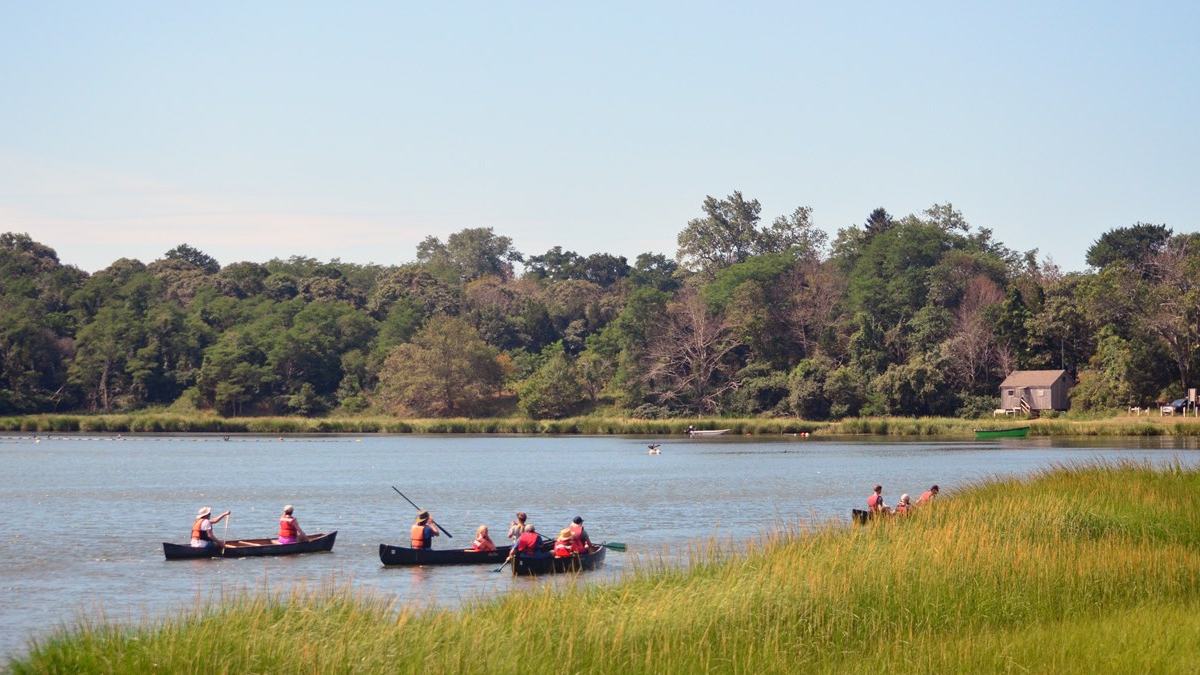
Cape Cod is often pictured as a place of ocean beaches, lighthouses and long walks through sandy dunes. A canoe or kayak can show another side of the peninsula: enclosed water, grasses along the shoreline and the slower movements of a sheltered estuary. Near Salt Pond i
Another way to see Cape Cod
Cape Cod is often pictured as a place of ocean beaches, lighthouses and long walks through sandy dunes. A canoe or kayak can show another side of the peninsula: enclosed water, grasses along the shoreline and the slower movements of a sheltered estuary. Near Salt Pond in Eastham, the seashore's visitor facilities introduce travellers to a landscape shaped by tides as much as wind.
The National Park Service includes canoe outings among the recreational possibilities at Cape Cod National Seashore, and publishes information about commercial operators authorised to provide visitor services. It lists local kayak-tour businesses as well as other seasonal experiences. Those listings are not a blanket endorsement; anyone booking should check the operator's current schedule, suitability, equipment and cancellation terms.
A short outing can still feel like a holiday
The attraction for a family is that a paddle need not become an all-day expedition. After a safety briefing, a gentle route can make room for watching birds, noticing the pattern of creek banks and talking about the history of a coastal place. A beginner will generally enjoy a comfortable pace and a manageable return far more than an ambitious itinerary.
A guided small-group experience also reduces the amount of local tidal knowledge a visitor must acquire at once. Cape Cod's coastal channels can have changing currents and shallow areas, and a route that appears inviting at high water may look quite different later. It is sensible to ask about the intended launch, expected duration and what happens if wind or weather becomes unsuitable.
What to bring to the waterside
Dress for the water and wind rather than solely for the temperature at the car park. A properly fitted life jacket, water-resistant layer, drinking water and sun protection form a sensible starting point. Keep a camera or phone in a secure waterproof pouch, and avoid bringing loose possessions that could disappear during an unexpected splash or change of balance.
For visitors combining boating with the rest of the national seashore, a leisurely schedule works well: arrive early, enjoy the paddling session and then spend time walking, visiting the Salt Pond visitor area or exploring a beach from land. That provides flexibility if tides or conditions require the operator to adjust its plan.
Look carefully, leave lightly
Salt-marsh habitats are not empty spaces between the water and the shore. Their plants shelter wildlife and help the surrounding coastal system. Keep clear of nesting or feeding animals, avoid landing on sensitive vegetation and do not leave food wrappers or other litter behind. A quiet paddle is a chance to see this environment without needing to disturb it.
The National Park Service's commercial-services directory is useful for locating permitted operators, but availability and exact itineraries can change. For the best experience, choose a day when the forecast is friendly and make the natural surroundings the focus, rather than treating paddling simply as another item to tick off a holiday list.
Source and photograph: US National Park Service — Cape Cod National Seashore. See the official visitor information for current conditions and rules.