
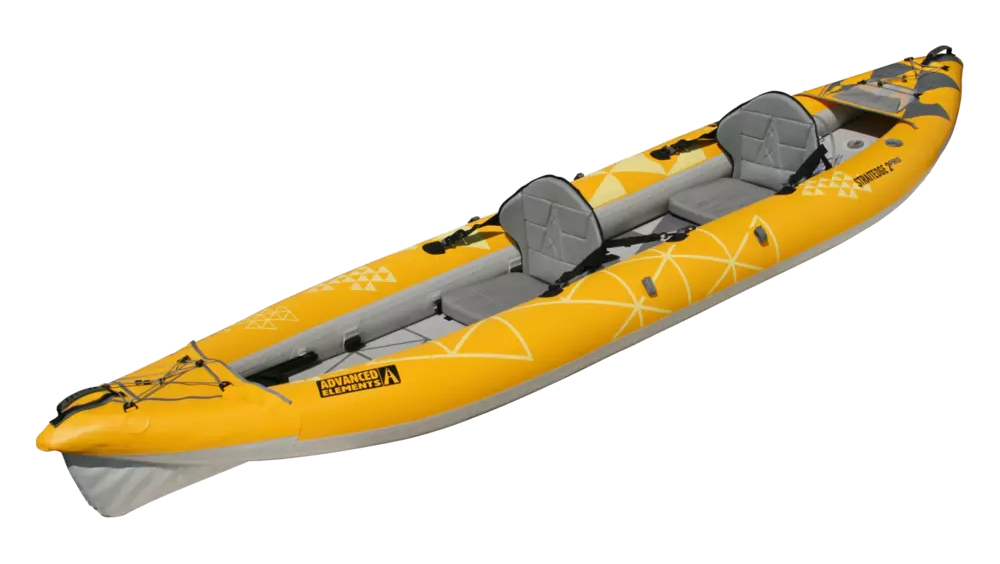
Canoes and kayaks can explore many of the same waters, but their seating, carrying capacity, handling and weather protection create very different experiences.
Canoes and kayaks both offer quiet, low-impact access to rivers, lakes and sheltered coastlines, but they are not interchangeable. The better choice depends on who will paddle, how much equipment needs to travel and whether the priority is carrying capacity, efficiency or a closer connection with the water.
Neither type is automatically safer or easier in every situation. Hull shape, length, width, loading and paddler skill can matter more than the label on the boat, so buyers should compare specific models rather than relying only on broad categories.
Canoes favour space and easy loading
An open canoe usually makes it straightforward to carry camping equipment, children, a dog or bulky picnic gear. The open interior is convenient when launching from a bank and allows paddlers to change seating position or organise equipment during a trip.
The same openness means wind and waves can put more water aboard in exposed conditions. Canoes are therefore particularly attractive for inland touring and sheltered water where their carrying ability can be used without demanding rough-water protection.
Kayaks put the paddler closer to the water
Kayaks generally use a double-bladed paddle and place the paddler lower, which can make them efficient and responsive. Sit-inside designs may offer protection from spray, while sit-on-top kayaks are popular for simple recreational use and easy re-entry.
Storage is often divided into hatches, deck areas or smaller compartments rather than one large open space. That can improve security for equipment but requires more careful packing when carrying camping gear or supplies for a longer day.
Try before choosing
Comfort and confidence are difficult to judge from specifications alone, particularly for seating position and stability. Hiring or borrowing different craft on the type of water you actually plan to use can reveal more than hours spent comparing dimensions online.
Transport also deserves attention because the easiest craft to use is often the one that is simplest to get from home to water. Weight, roof-rack loading, storage length and whether one person can handle the boat ashore may ultimately matter as much as performance afloat.