
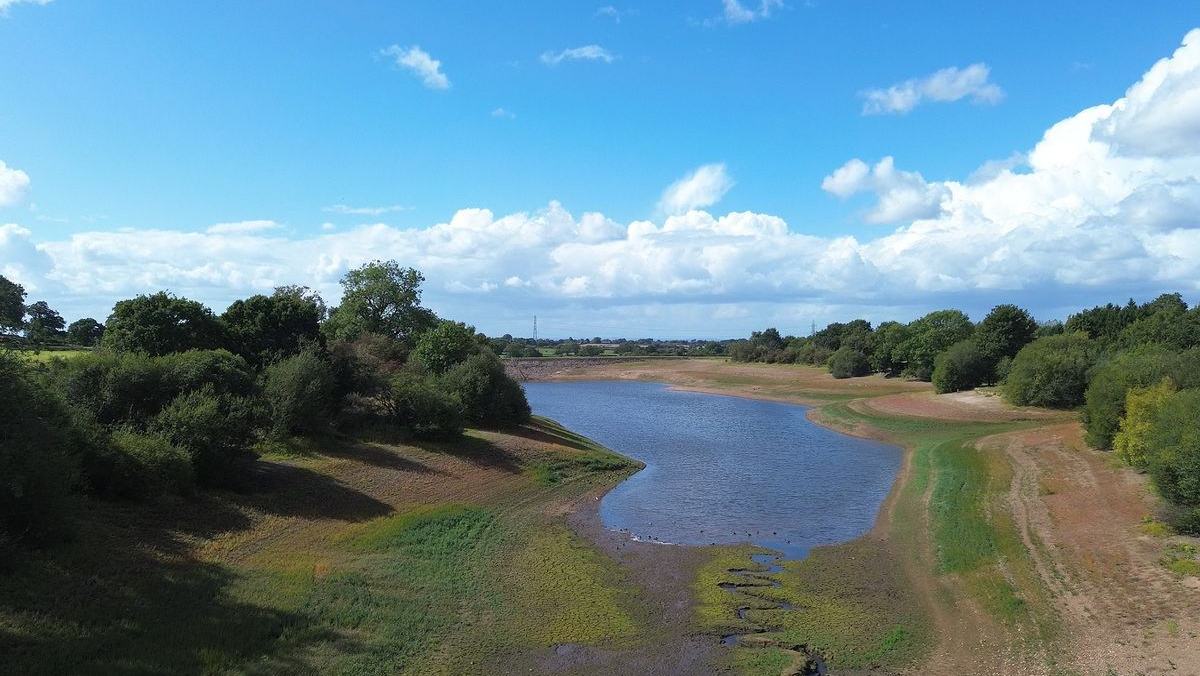
Canal & River Trust has described the extraordinary work undertaken during the 2026 summer drought, when water levels fell rapidly across parts of the canal network. According to its September feature, conditions initially appeared relatively normal in early July, but prolonged dry weather soon required an extensive emergency response to keep as many navigations open as possible.
A rapid change from normal levels to drought
Canal & River Trust has described the extraordinary work undertaken during the 2026 summer drought, when water levels fell rapidly across parts of the canal network. According to its September feature, conditions initially appeared relatively normal in early July, but prolonged dry weather soon required an extensive emergency response to keep as many navigations open as possible.
The speed of change is relevant to leisure boaters because a route planned weeks in advance may become restricted by the departure date. A historic canal is not an unlimited reservoir; lock operation, leakage, evaporation and competing demand all place pressure on stored water. Careful planning must therefore respond to current conditions.
Teams redirected effort to urgent repairs
The charity says its engineers, water managers and operations teams prioritised leaks, faulty lock mechanisms and vulnerable areas as part of a network-wide effort. In the West Midlands, drought-specific work took place at eleven lock sites and three culverts, along with numerous smaller repairs. At Lapworth Top Lock on the Stratford-upon-Avon Canal, staff repaired two broken paddles in about twenty-four hours.
The organisation also describes decisions to close some navigations proactively in order to conserve supplies elsewhere. That can frustrate a holiday itinerary but may prevent a wider loss of use. The practical challenge is to communicate restrictions promptly and restore safe passage when water levels permit.
Moving water through connected canals
On the Kennet and Avon Canal, teams used an unusual coordinated transfer along pumping infrastructure, moving water from Bradford-on-Avon toward the summit at Crofton and onward to the eastern end of the route. The operation shows how interconnected waterways can be managed as a system rather than merely as isolated stretches.
Water transfers require careful consideration of pumping capacity, ecology and the needs of each navigation. They do not create new supplies, and moving water to one location may reduce what is available elsewhere. Professional water managers must make decisions based on a wider operational picture than a boater can see from the towpath.
Lessons for the next cruising season
A responsible canal itinerary includes daily checks of navigation notices, sufficient flexibility for changing water restrictions and a willingness to alter the route when conditions deteriorate. Crews should avoid wasting lock water, follow local instructions and respect any temporary operating arrangements. The same principles apply whether using a privately owned narrowboat or a holiday-hire craft.
The drought account is an illustration of the human and technical work required to maintain historic navigation in extreme weather. Better monitoring and maintenance may improve resilience, but changing rainfall means that future seasons will continue to require careful, timely decisions. Operators of rental boats and local businesses are also affected when a navigation closes unexpectedly. Clear information allows them to amend customer arrangements responsibly, rather than sending inexperienced crews toward a restricted lock flight.
Source
Canal & River Trust