
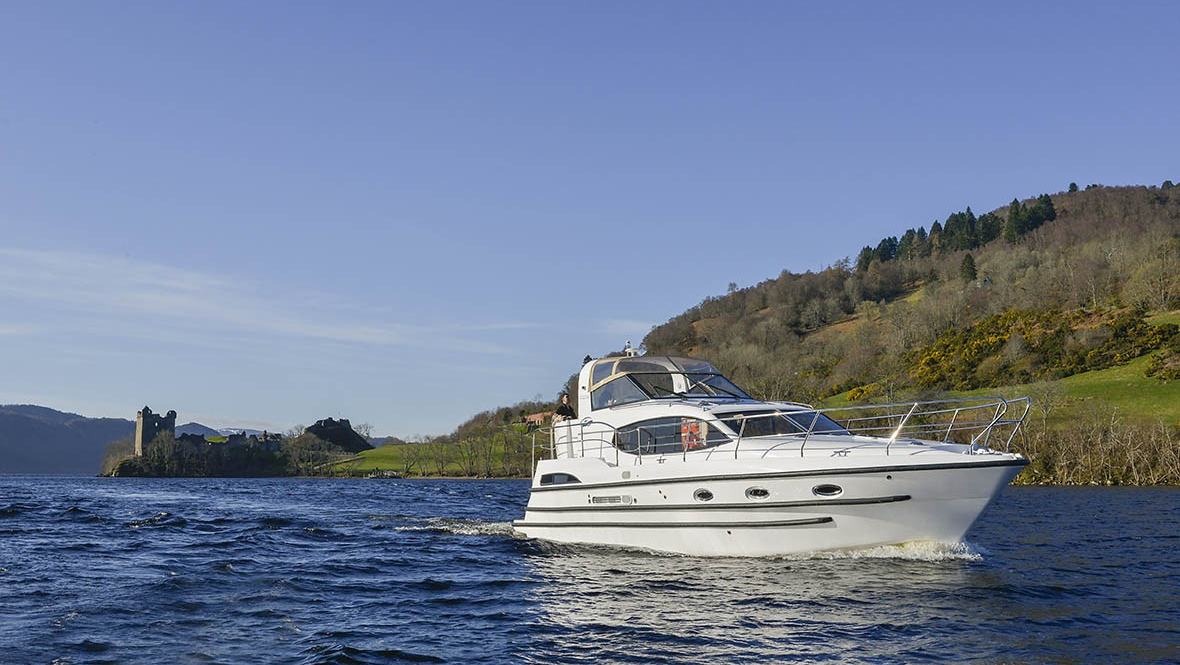
A practical small-boat guide to Scotland's Caledonian Canal, covering the Great Glen's lochs and locks, rewarding stopovers and the confirmed 2026–27 winter closure.
The Great Glen offers one of Britain's most distinctive small-boat journeys, joining open Highland lochs with managed canal cuttings and historic lock flights. This practical guide looks at passage planning, stopovers and the approaching 2026 winter closure.
A waterway made for slow travel
The Caledonian Canal is an inland passage through the Great Glen rather than a conventional coastal cruise. Scottish Canals describes a route of about 60 miles, or 50 nautical miles, between the seas, of which 22 miles are constructed canal and the rest natural freshwater lochs. For a small cruising boat, this division matters: the sheltered-looking cuts and the broad expanses of Loch Ness, Loch Oich and Loch Lochy demand different habits, different weather decisions and different expectations of how quickly a day can unfold.
A passage is best imagined as a succession of experiences rather than one long transit. A lock flight invites conversation with the keepers and careful line handling; an open loch offers views down a deep mountain valley; a basin gives everyone the chance to walk ashore and recover their appetite. The temptation is to measure progress entirely in miles, but the more memorable part of the voyage often comes from the unhurried interval between one lock and the next.
What a skipper should plan before arriving
Scottish Canals identifies 29 locks and 11 bridges along the waterway, including road and railway crossings. Its published minimum passage estimate is two and a half to three days, subject to weather, traffic and delays; that should be treated as an operational floor rather than an ideal holiday itinerary. A family making the trip for enjoyment benefits from more generous time, especially when children want to explore a village, guests have never handled lock lines, or a spell of wind makes the next loch less appealing.
Preparation starts with the operator's current Skippers' Guide, charts and notices, not with an attractive route drawn on a general travel map. Check permissible boat dimensions, draft, air draft, engine readiness, licensing requirements, lock availability and the particular approach to your starting sea lock. Train bridge movements and engineering works can interrupt a carefully prepared timetable. A skipper who has spoken to the canal team before departing is better placed to adjust without forcing a risky or tiring day.
Locks, bridges and crew routines
Lock work is easy to underestimate because photographs rarely convey how many small decisions happen in a chamber. Before the first lock, agree who will communicate with the keeper, who will tend each line and where every passenger must remain while the boat is moving. Lines need to run freely without wrapping around hands or feet, and loose gear on deck can quickly become a nuisance. The same calm routine repeated at each stop makes the voyage safer and more sociable.
Bridge openings require patience and attention to instructions, not an improvised dash for a gap. Keep a lookout, approach at controlled speed and avoid blocking other craft while you wait. If a cruise includes novice guests, rehearse fender placement and handling instructions in a quiet basin before the busiest sequence of locks. This is also a journey where good footwear, waterproof outer layers and a dry bag for phones are more useful than elaborate outfits.
The Highland stops worth allowing time for
Fort Augustus is a natural place to pause and watch boats ascend or descend the distinctive staircase of locks. It is equally inviting from a small boat because village life and the waterway sit so close together. Around Loch Oich, wooded shores change the scale of the scenery; further west the landscape opens into Loch Lochy and the mountains beyond. Each stretch has its own character, so an itinerary with at least one flexible afternoon feels richer than a hurried sea-to-sea crossing.
At the Inverness end, Muirtown Basin and the route towards Clachnaharry show how the waterway connects an inland cruising landscape with tidal waters. Westward, the approach towards Banavie and Corpach brings the journey back towards the sea and to views associated with the Ben Nevis area. Shoreside stops are also a practical opportunity to refill water, deal with refuse appropriately and check tomorrow's weather. Confirm local berthing arrangements rather than assuming an empty pontoon is available.
A late-October reality check for 2026
Timing is especially important for anyone considering the canal in the coming weeks. Scottish Canals says the route will close to sea-to-sea transit at 4pm on Sunday 1 November 2026 and is scheduled to reopen at 9am on Wednesday 24 March 2027 for its winter engineering programme. Some local movements may be possible by prior arrangement with at least two working days' notice, but that is not a substitute for a through-passage booking. Its current notices also flag possible operational delays in the West District.
The sensible response is to call the canal operator before committing to a passage, confirm the exact movement plan and avoid relying on last-minute assumptions about bridges or locks. Outside the full transit season, the Great Glen still makes an excellent shoreside destination, but boaters must separate the appeal of the scenery from the actual status of navigation. Up-to-date notices take precedence over a magazine itinerary or an earlier trip report.
Why this route rewards a modest boat
The Caledonian Canal works beautifully as a reminder that a cruising holiday does not need excessive speed or a very large yacht. A comfortable cabin, reliable heating, a secure place for wet coats and a cockpit in which everyone can enjoy the view are more valuable than headline performance. Families can assign small tasks, watch changing light on the hills and use overnight stops to make travel feel like part of the holiday rather than an obstacle before the destination.
The final lesson is one of proportion. Build a route that allows a slow day, decide in advance what conditions would make you stay put and carry the supplies needed when a waterside shop is closed. The official Skippers' Guide provides the operational foundation; the skipper provides patience and sound judgement. Together they turn a chain of lochs, locks and villages into a rewarding introduction to small-boat cruising through the Scottish Highlands.