
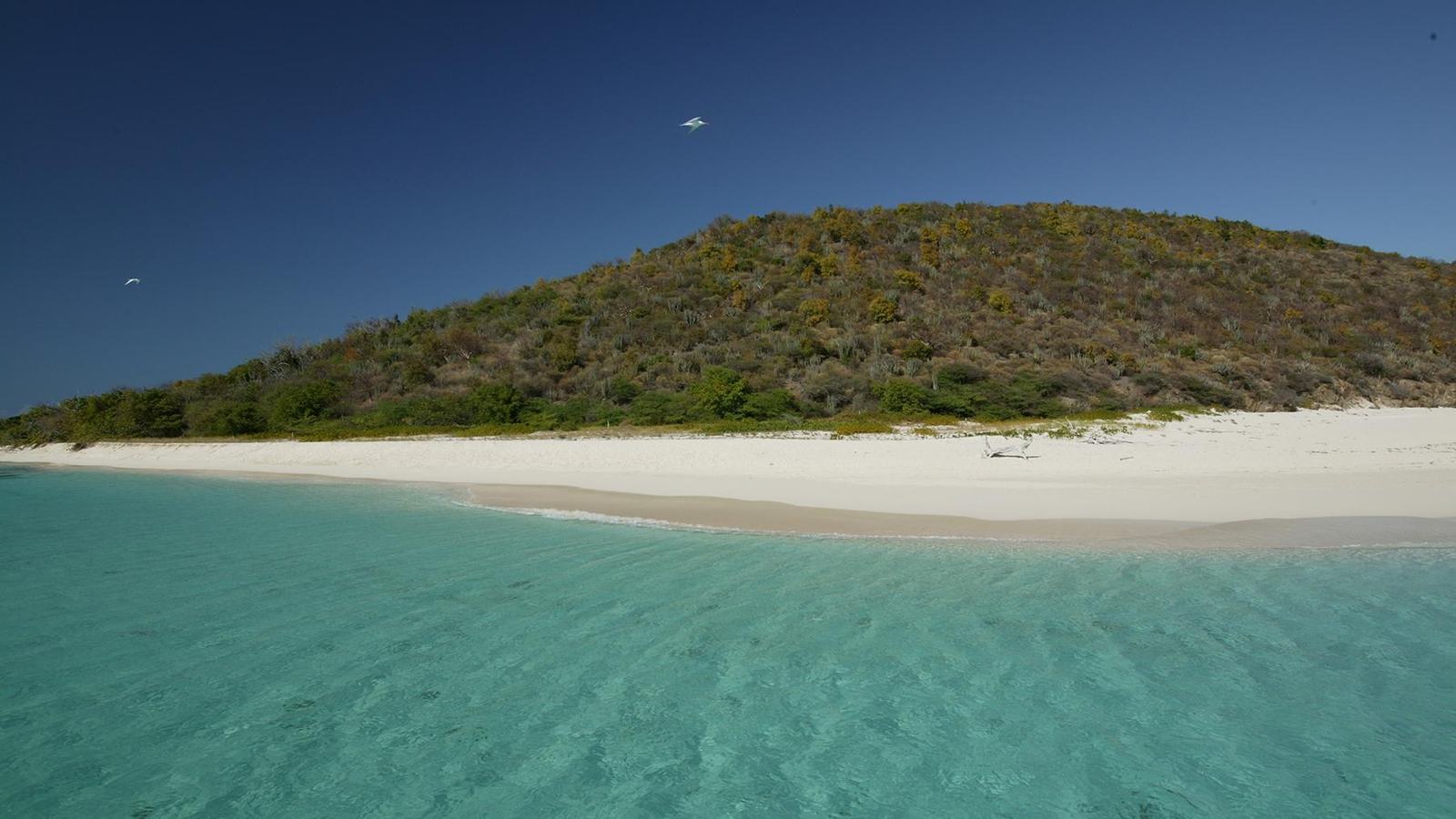
Buck Island Reef sits offshore from St Croix and is reached only by vessel. A visit requires close attention to anchoring boundaries, lagoon moorings and coral protection.
A small island visit that starts with navigation
Buck Island Reef National Monument is a very different boating destination from a conventional marina stop. The protected island and surrounding reef lie about five and a half miles from Christiansted on St Croix, and the National Park Service states that the monument is accessible only by vessel. That short-sounding crossing still puts visitors in open Caribbean conditions, where wind, visibility and the availability of a safe return matter as much as the attractions ashore.
Visitors can make the crossing in a suitable privately operated vessel or use an authorised concession boat from Christiansted or another advertised departure point. The concession option removes the responsibility of piloting, but an independent skipper must still understand precisely where the park allows entry, mooring and anchoring. Being able to see a beautiful beach from the boat does not make every approach channel or sheltered patch of water available for unrestricted use.
Buck Island is notable for its tropical dry-forest interior, sandy shoreline and underwater reef trail. Those attractions can be enjoyed on one excursion if the skipper and passengers do not crowd the schedule. Leave time to arrive, secure the vessel correctly, spend time at the water and return during the park’s permitted visiting hours. The NPS lists daily visiting hours of seven in the morning until five in the afternoon, with no overnight camping.
Understand West Beach and reef moorings before arrival
The National Park Service confines anchoring to a designated area off West Beach, while the underwater trail lagoon uses moorings rather than unrestricted anchoring. A skipper should plan the precise destination before arriving and never drop an anchor onto coral or into an area reserved for a different activity. A mooring buoy is not an invitation to overload its line or attach a boat of unsuitable size; use current park instructions and approach at idle speed.
The park’s online information contains wording from different updates about whether an anchoring permit is required, while its current operating-hours guidance states that an annual vessel permit applies, including access to lagoon moorings. Resolve that discrepancy directly with park staff before departure and allow for the processing time they advise. It is a poor decision to arrive expecting a discretionary exception simply because one paragraph of a public page sounded permissive.
Strong wind or a swell entering the western anchorage can make an otherwise attractive shore visit uncomfortable. Prepare a contingency if the approved area is congested or exposed. Anchor only with a sound holding plan and adequate separation from neighbouring boats, and keep a person responsible for monitoring the vessel. Visitors moving between a dinghy and the beach should account for wave action, passengers’ abilities and the possibility that conditions worsen during the visit.
Visit the reef without damaging what makes it special
A guided underwater trail gives snorkelers the chance to appreciate the structure of the reef and its marine life, but it demands controlled movement. Fins should stay clear of corals, and visitors must not stand on reef formations or touch wildlife for photographs. Coral that appears substantial from the surface can be fragile living habitat. Choose the right flotation equipment, maintain awareness of other snorkelers and stay within the designated visitor area.
Not every member of a boating group has the same swimming confidence. Before entering, confirm whether the sea state and current suit the least experienced swimmer, and use flotation equipment appropriate to the individual. A snorkel trip should not be used to discover a passenger’s limits. Anyone who feels cold, tired or uncertain should return to the vessel or an approved safe shore location promptly rather than attempt to keep up with faster companions.
The park restricts activities that could threaten wildlife or visitors, including fishing and various powered watersports. Do not assume that bringing a personal watercraft or fishing gear to a tropical island makes those activities lawful in the protected zone. Take rubbish back to St Croix, avoid disturbing nesting birds and turtles, and leave shells, coral fragments and other natural objects where they are found. Responsible enjoyment is particularly important in a small marine reserve.
Build the return crossing into every decision
A satisfactory trip begins with a marine forecast for both the outward passage and the planned return. Check fuel, engine readiness, communications and the latest park access information before departure. Carry drinking water and sun protection as if delays were possible, because a few miles across exposed water can feel much farther in adverse wind. A chart or reliable electronic navigation system should be available even when the coast remains visible.
Because the monument closes to visitors at night and has no camping, the return window is not optional. Arrange a clear departure time and ensure everyone knows where to regroup after swimming or walking. If a group is relying on a concession trip, confirm the operator’s meeting point, boarding arrangements and cancellation policy. If using a private boat, avoid taking a schedule so close to sunset that a delayed snorkel or anchor retrieval becomes an emergency.
Buck Island rewards the sort of quiet curiosity that small boats can deliver: a different view of St Croix, a swim above living reef and a beach approached without a road. Its value depends on arriving in a way that does not harm the ecosystem. Confirm permits and current park directions, use the approved anchorage or moorings, and treat the return passage as part of the experience. That care makes the visit more enjoyable for everyone aboard.
Primary planning source: National Park Service Buck Island Reef basic information and vessel rules. Consult the original National Park Service guidance and current notices before departure.