
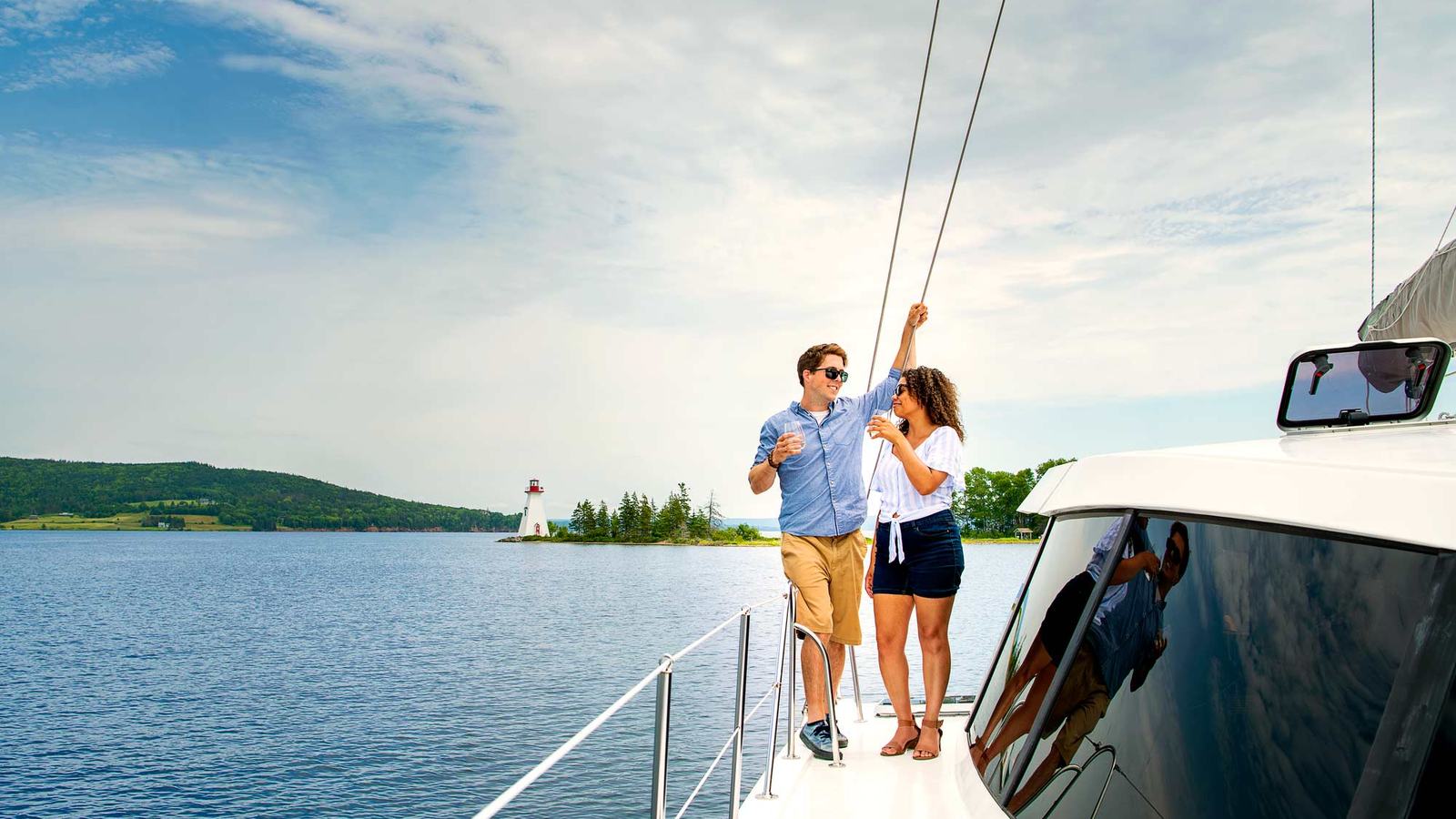
Explore Nova Scotia's Bras d'Or inland sea by small boat, with Baddeck, St. Peter's Canal, island landscapes, sheltered bays and practical cruising considerations.
An inland sea made for a slow cruise
Cape Breton Island's Bras d'Or Lake is one of Atlantic Canada's most inviting places for a small-boat holiday. It looks like a vast inland lake but is in fact a connected, partly saline estuarine system, with quiet coves, wooded hills and villages closely tied to the water. The wider landscape is recognised as a UNESCO Biosphere Region, reflecting the interaction of nature and human communities. A passage here should be measured in enjoyable stops rather than the number of miles covered.
Tourism Nova Scotia highlights a range of boating destinations around the lake, from Baddeck to St. Peter's and smaller sheltered anchorages. This makes it suitable for a flexible cruise with different experiences each day, but the water is not free of hazards. Charted shoals, changing weather and marina availability remain important. An inland appearance should not tempt a skipper to ignore the same navigation and safety preparation needed on an open coast.
Baddeck: the natural first base
Baddeck is a strong place to begin because its waterfront has services, dining and an established boating culture. The public wharf area is central to village life, while the harbour is a gathering place for visiting yachts and smaller craft. For a first day, make time to walk ashore and get a feel for the community before departing to a quieter corner of the lake. Check berth arrangements with the current operator in advance, as a scenic visitor guide cannot promise space on a busy summer afternoon.
The village also has a fascinating connection with Alexander Graham Bell. The national historic site tells the story of the inventor's work, and official tourism guidance notes his hydrofoil experiments on Baddeck Bay. That makes it an unusually engaging stop for families interested in engineering as well as boating. A waterfront meal and a relaxed museum visit can anchor the day's programme without adding another passage before sunset.
Arriving through St. Peter's Canal
For craft coming from the Atlantic side, St. Peter's Canal offers a distinctive gateway to the lake. It is a working tidal lock and historic waterway that links the coast with the inland sea. The crossing requires operational planning, not merely a waypoint on a screen. Review the canal's latest operating season, hours, lock procedures and vessel restrictions with Parks Canada before starting the approach, and plan adequate time for any queue or delay.
Nearby St. Peter's Marina is listed by Tourism Nova Scotia as offering fuel, moorings, showers and visitor services, but skippers should confirm their availability and suitability directly. The marina can be a useful place to complete basic preparations before continuing. Check charts, supplies, communications and the crew's expectations for the next days. A carefully planned beginning makes it easier to relax once the lake's secluded shorelines begin to unfold.
Sheltered cruising without complacency
The lake's reputation for scenic cruising is well deserved. Wooded headlands and numerous coves provide attractive short passages, with places to stop for walking, swimming or simply sitting on deck. Tourism Nova Scotia mentions Maskells Harbour as a particularly picturesque protected bay and identifies additional options around St. Andrews Channel and Big Harbour. These are suggestions to investigate, not current anchoring instructions: a skipper must assess depths, holding ground and conditions independently.
Wind can still build waves on open stretches of the inland sea, while rain, mist or an unexpected shift in visibility can change the feel of a short voyage. A prudent crew carries updated Canadian navigation information, appropriate safety equipment and a realistic alternative destination. Leave generous daylight for entering an unfamiliar harbour. A quiet anchorage is most enjoyable when the boat is positioned with ample swinging room and no pressure to remain if conditions deteriorate.
Marble Mountain and the shore beyond the boat
Marble Mountain appears among the destinations highlighted by Nova Scotia's official boating guide. Its appeal includes a sandy shore, hiking possibilities and scenic views across the lake. Such a stop can be particularly rewarding for families who want a morning ashore without losing a full day to transport. Check the local landing arrangements and whether facilities are open before committing, and carry footwear suitable for natural paths rather than assuming the shore is a developed resort.
The surrounding Cape Breton countryside adds depth to a boating holiday. Beyond the shoreline are local food traditions, small communities and land-based walks, and a route can be planned to combine one or two of these experiences. There is no need to turn every day into a long excursion. The greatest advantage of a small boat is the ability to discover a shoreline from a different perspective and still have time to enjoy where the boat stops.
A UNESCO Biosphere Region, not just scenery
The Bras d'Or designation recognises a living region, including ecosystems, communities and long relationships with the land and water. Tourism Nova Scotia notes the presence of Mi'kmaw First Nations communities alongside people of varied later cultural backgrounds. Visitors should understand that the lake is more than a leisure destination; it is also part of a cultural and ecological landscape. Support local businesses respectfully and seek opportunities to learn from properly authorised community-led experiences where available.
Boating practices can contribute to keeping the system healthy. Avoid discharging waste or grey water where prohibited, manage fuel carefully, minimise shore disturbance and follow relevant fishing rules. Wildlife sightings may include birds and seals, but their presence should never be treated as a reason to pursue them. A slow approach, observation from a respectful distance and quiet operation help preserve the experience for other boaters and the animals that live here.
A sensible three-day outline
A first day can be devoted to Baddeck, its harbour and the Alexander Graham Bell National Historic Site. With weather and berth details confirmed, a second day might involve a short cruise towards a suitable protected bay and a shore walk. The third day could be given to another lake community or a longer scenic passage towards Marble Mountain, depending on the vessel's starting point and the time required to return. Leave room for the unexpected pleasure of staying in one place.
Those entering via St. Peter's can reverse the emphasis and spend their first day learning the canal and marina routine, before moving deeper into the lake. Tourism Nova Scotia publishes suggested itineraries but they are best used as inspiration rather than fixed pilotage plans. The skipper must keep the route compatible with the boat's range, actual weather, canal arrangements and legal operating requirements. A day spent safely in a sheltered harbour can be as successful as a completed passage.
Before leaving the dock
Check navigation lights, communications, propulsion, fuel and battery reserves, and ensure suitable flotation equipment is available for everyone. Charts and local notices should be current, and the crew should know how to call for help. If the voyage involves towing a dinghy or carrying paddleboards, secure the equipment for actual water and wind conditions rather than assuming all lake passages will be calm. Keep an eye on fishing activity, other boat traffic and any marked restrictions.
Bras d'Or is at its best when approached with patience and curiosity. Its villages, protected bays, maritime history and rich natural surroundings offer all the ingredients of a memorable small-boat holiday without the need to travel far each day. With a route based on contemporary official information and conditions, a visit can deliver the rewarding sense of discovery that makes cruising so appealing.