
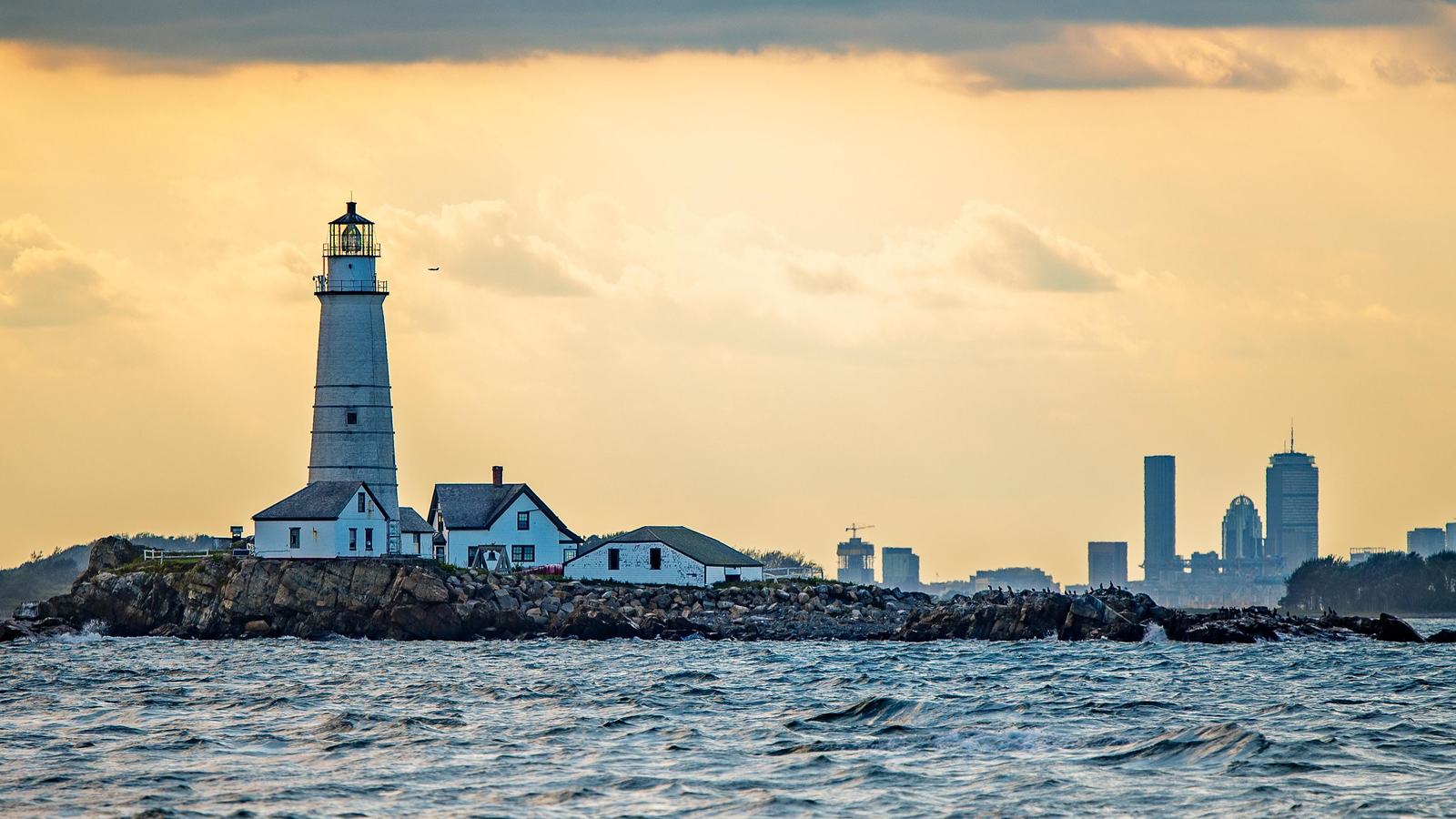
Boston Light stands on Little Brewster Island, which remains closed to public landings; seasonal narrated harbour cruises offer the appropriate way to see this historic lighthouse.
Little Brewster's lighthouse is visible, but the island is closed
Boston Light is a familiar navigational landmark on Little Brewster Island, where its white tower stands above the approaches to Boston Harbor. The site attracts visitors interested in maritime history and photographers who want to capture a lighthouse surrounded by open water. Yet the National Park Service advises that Boston Light and Little Brewster Island remain closed to ordinary public access, making a boat-based view the appropriate way to experience this historic station.
Earlier accounts of visits to the tower may describe landings, guided tours or encounters with the lighthouse keeper. Those descriptions should not be used as evidence that the same activities remain available in 2026. A cruise that brings passengers close to the island is not an opportunity to disembark, and a privately operated tender does not override the closure. The precise requirements of the surrounding waterway also deserve attention before any recreational voyage.
For an ordinary visitor, a seasonal narrated lighthouse cruise is the most straightforward option when the programme is running. These outings can provide views of several navigational landmarks without the responsibility of navigating a small boat through a working port. However, summer services have seasonal schedules and travellers should not assume a sightseeing departure is available during the late-autumn or winter months.
America's first lighthouse station
Boston Light's history reaches back to 1716, when the Province of Massachusetts established a light to help ships enter the harbour more safely. The original tower predated American independence and used a comparatively simple arrangement of stone construction and candle illumination. It is a reminder of how dangerous coastal approaches could be when mariners relied on shore-based visual marks and limited information about the weather.
The American Revolutionary War interrupted this early history. British and colonial forces fought over access to the harbour, and the original light was damaged before being destroyed in 1776. Massachusetts rebuilt the structure in 1783, creating the basis of the tower visible today. Although the site has existed for more than three centuries, the original 1716 building should not be confused with the later replacement.
Subsequent alterations and improvements increased the tower's height to approximately 89 feet and changed the equipment used to produce its light. Over the years, Boston Light became a symbol of the relationship between a busy commercial harbour and the people responsible for keeping its approaches navigable. The lighthouse's significance is therefore more than its architecture; it reflects a continuing public need for reliable marine navigation.
A rare keeper tradition and historic lens
Boston Light was the final lighthouse in the United States to be automated, in 1998. Unusually, it continued to have a lighthouse keeper after that technological change, preserving a direct connection with a profession that had disappeared from most American stations. Sally Snowman became its first woman keeper in 2003 and retired in 2023 after two decades, bringing that distinctive chapter of official service to an end.
The station retains an important Fresnel lens and a published light range of approximately 27 nautical miles in appropriate conditions. These features are significant to maritime history, but modern skippers should consult current charted information rather than rely on an article's description of a lighthouse characteristic. Navigation lights can change, and safe passage depends on more than a familiar landmark on the horizon.
The duties of a lighthouse keeper extended far beyond admiring the view. Maintenance, weather observations, technical work and the practical requirements of living on a remote station formed part of daily life. The historic lighthouse illustrates how coastal infrastructure once depended on resident staff to keep its light operational through storms and changing seasons. Interpretive material can bring those responsibilities to life for visitors who only see the station from a boat.
Summer lighthouse cruises from Boston Harbor
The National Park Service recommends seasonal Lighthouse Cruises that offer views of Boston Light, Graves Light and Long Island Head Light. These are narrated water-based tours rather than visits to the island itself. Their operators, timetables, departure points and available routes should be checked through official Boston Harbor Islands information when the next summer programme is announced, rather than copied from an older tourism guide.
A cruise combining several lights can be particularly rewarding because it places Boston Light in the wider geography of the harbour. Different stations mark distinct channels and approaches, showing how navigational aids were developed to meet the needs of passing vessels. A knowledgeable narrator may help explain these relationships while passengers enjoy the views without needing to navigate or arrange a private charter.
By late October 2026, the summer lighthouse-cruise season should not be assumed to be operating. Anyone visiting Boston during the off-season can explore maritime heritage on shore or plan a later outing when a fresh schedule becomes available. A special request to see the tower from the water should be made through a properly authorised operator, with expectations based on the current programme rather than the availability of an old ticket.
Private boating without an unauthorised landing
Boaters who are already making a lawful passage in the harbour may appreciate a view of Boston Light while following their planned route. Nevertheless, Little Brewster Island's public-access closure remains in force. A private vessel should not attempt to land passengers or send a tender ashore on the assumption that a historic public tour policy is still active. The practical limitations of the site are independent of the skill of the skipper.
Boston Harbor handles commercial ships, working craft, ferries and recreational traffic, while the outer approaches can be more exposed than the inner waterfront. The appropriate route depends on depth, marine weather, traffic and navigation notices. A skipper must maintain a proper lookout and follow current charts, keeping photography or sightseeing secondary to safe operation of the vessel.
Boston Light remains one of the most significant markers in American maritime history, from its 1716 origins and 1783 rebuilding to the end of its unusual keeper era. A seasonal narrated cruise or considered view from an appropriately handled private boat can communicate that history without landing. For visitors planning a trip in 2026 or 2027, the essential rule is to check current tour availability and respect Little Brewster Island's closure.