
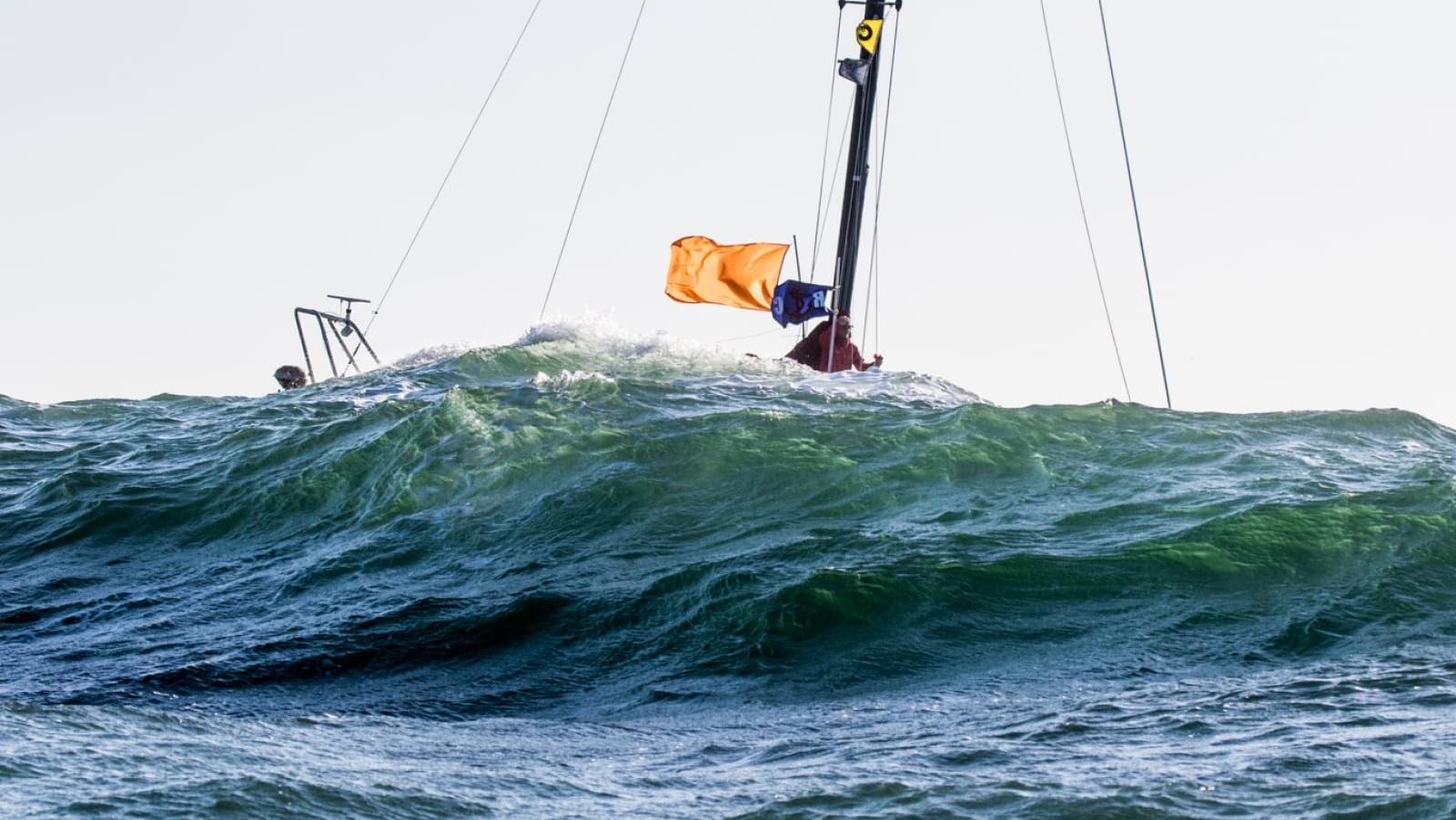
American Sailing has issued a practical reminder that boating safety education should be part of the preparation for recreational outings, whether on lakes or coastal waters.
Enjoying the water begins before departure
A day afloat can be relaxing, but even a short trip requires preparation and sound judgement. American Sailing's Boating Smarter feature emphasises the value of learning basic safety rules before taking responsibility for a vessel.
New boaters may be tempted to focus first on equipment and destinations. Understanding navigation, emergency procedures and the limitations of the boat should come before leaving the berth.
Navigation rules are practical skills
Markers, lights and meeting situations give boaters information about where they can travel safely and how to avoid other vessels. A responsible operator should know how these signs and rules apply to the waters being used.
A chartplotter is useful but cannot decide every collision-avoidance situation on its own. Keeping an effective lookout and proceeding at a safe speed remain essential responsibilities.
Lifejackets must actually fit
A suitable lifejacket or personal flotation device should be available for every person on board and worn where required or appropriate to the conditions. Children and inexperienced swimmers need particular attention to correct sizing and secure fastening.
Owners should check any legal requirements for their location, which may differ by age, boat type and activity. Equipment that is buried in a locker may be of limited use during a sudden emergency.
Weather and emergencies demand planning
A skipper should examine the forecast, fuel or battery reserve, local hazards and possible return routes before leaving. It is also sensible to explain basic emergency actions and the location of safety gear to passengers.
Safe boating includes avoiding impaired or distracted operation. The desire to complete a planned outing should never override changes in conditions or the crew's capabilities.
Education builds lasting confidence
American Sailing points to formal learning resources that can help boaters prepare for state boating-card requirements where applicable. Training can also provide a structured way to ask questions that seem difficult to resolve from online discussions.
A course certificate alone does not make someone an expert in every craft or waterway. Continuing practice, local guidance and good judgement are the foundations of enjoyable and safer boating.
Choose a trip that suits the least experienced person
A successful first day afloat is often shorter and simpler than an ambitious holiday plan. The skipper should select a destination and time of day that match the crew's abilities, the vessel's limits and the expected conditions. A sheltered local route with straightforward opportunities to return can be more enjoyable than a long passage requiring difficult decisions when passengers become tired or seasick.
Before departure, everybody aboard should know where to sit, how to move without losing balance and what to do when the skipper needs full attention. Children may need help understanding why certain areas are off limits while underway. A calm briefing encourages questions and reduces the temptation for a nervous passenger to act without knowing what the boat is about to do.
Build a simple departure routine
Pre-departure checks should be repeated even when the boat was used successfully the previous afternoon. The skipper can review fuel or battery reserves, weather, required documents, engine condition, steering, communication devices and suitable flotation equipment. A small written list is often more dependable than relying on memory, particularly when family members or friends are talking while the boat is being prepared.
Part of the routine is telling a responsible person ashore where the boat is going and when it should return. That contact should know what to do if the vessel is overdue, but an agreed check-in is not a replacement for using appropriate emergency communication procedures. The crew should also recognise that mobile-phone coverage may be unreliable away from the shore.
Understand the waterways you will actually use
A beginner can learn general navigation rules in a course, then still encounter unfamiliar local marks or restrictions on the first trip. Before visiting a new river, lake or coastal area, check its charts, notices, speed limits and any requirements about launch permits or invasive-species inspections. Different jurisdictions may use their own rules or enforcement arrangements, so a single internet summary is not always sufficient.
Shallow water, underwater hazards, fishing activity and busy commercial routes each demand a different level of attention. Maintaining a safe speed gives the operator time to respond and reduces the consequences of an unexpected problem. The goal is not to memorise every possible situation in advance, but to know which information must be checked and when to seek local advice.
Prepare for an unexpected change of plan
Even a short outing can be interrupted by an engine warning, increasing wind or a passenger who is unwell. A skipper should have a realistic alternative such as returning to the nearest suitable harbour, securing the boat in a safe place or requesting assistance. The safest response may be to end the trip early rather than persist with the original destination to avoid disappointing the crew.
Passengers should know the location of emergency equipment and how to attract attention if the skipper becomes unable to act. Familiarity with the marine radio, appropriate distress procedures and basic first-aid measures can make an important difference. Training should be current and relevant to the vessel rather than copied from instructions intended for a much larger ship.
Make the next outing safer through experience
At the end of a trip, briefly review anything that was difficult: confusing navigation marks, equipment that was hard to find, uncomfortable seating or a forecast that developed differently from expectations. Small observations are useful because they can guide the next plan before any problem becomes serious. The skipper should also check that equipment is dried, stowed and ready for the next outing.
Continued learning is part of responsible boating. A short course can establish the fundamentals, but time with a qualified instructor or experienced local skipper builds confidence in real conditions. The most enjoyable boating families are often those who are willing to start modestly, ask questions and improve their practical skills with every trip.
An owner who regularly invites different passengers should not assume that everyone remembers the same safety briefing. Explaining the essentials again takes only a short time and helps avoid confusion if somebody unfamiliar with the boat needs to assist. It also gives the skipper an opportunity to discover concerns or limitations before getting underway.
Source
American Sailing