
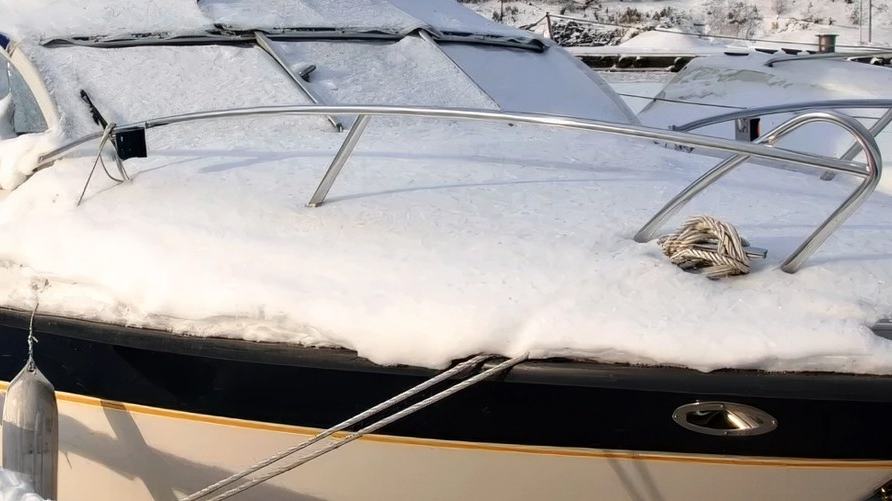
Yamaha Blue Life sets out the basic thinking behind winter storage and why careful preparation matters even when the boat will not be used for months.
What to know
Winterising is less about one dramatic job and more about removing the conditions that cause trouble during storage. Water, stale fuel, low batteries and trapped moisture are the main concerns.
Engine procedures should follow the manufacturer’s instructions because cooling, fuel and lubrication systems differ. Guesswork is not worth the risk when the boat will sit unused for months.
How to approach it
Batteries should be charged and maintained in a way appropriate to their type. A battery that slowly discharges all winter may fail just when the first good spring day arrives.
Fresh water systems and exposed plumbing need protection where freezing temperatures are possible. Even a small amount of trapped water can damage fittings or pumps.
Where the practical value lies
Interiors benefit from cleaning, drying and ventilation before the boat is covered. Food, wet fabrics and rubbish should never become part of the winter storage plan.
A cover should keep weather out without trapping condensation. Good airflow is one of the cheapest forms of winter protection.
Why it suits LBG readers
For LBG readers, winterising is a practical ownership skill rather than specialist luxury maintenance. Doing it carefully protects the value of an ordinary family boat.
The reward appears in spring. A boat that was stored properly usually needs far less work before the first launch.
Source
Yamaha Blue Life