
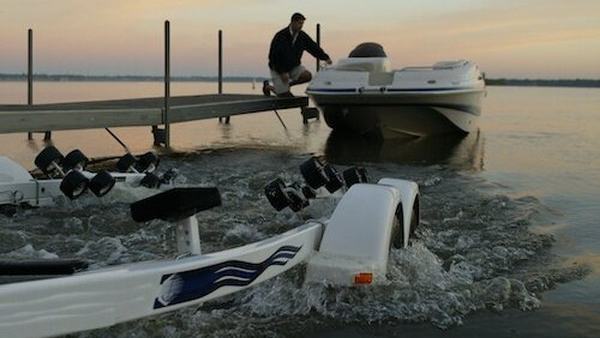
Discover Boating explains the simple ramp habits that keep launching and retrieval safer, faster and less stressful on busy weekends.
Start with the basics
The launch lane is for launching, not for loading coolers or searching for the drain plug. Most ramp frustration disappears when preparation happens in the staging area.
Lines, fenders, safety gear and passengers should be organised before the vehicle joins the launch queue. The trailer tie-downs can then be removed at the right moment without holding everyone up.
How to make it easier
Backing slowly is faster than correcting a rushed attempt. A spotter can help a new trailer driver stay straight and avoid unnecessary pressure.
Once the boat is afloat, it should be moved away from the ramp while the tow vehicle is parked. Courtesy docks exist so the launch lane can keep moving.
Where mistakes happen
Retrieval works the same way in reverse. The driver should prepare the trailer while the boat waits clear of the active lane.
Final unloading and tie-down work belongs in the staging area after the boat is out of the water. That simple habit is one of the biggest signs of an experienced ramp user.
Why it matters to LBG readers
For LBG families, good ramp technique improves the whole day because it removes stress at the beginning and end. It also makes new boaters feel more welcome.
The ramp is a shared resource. Being prepared is not only efficient; it is basic courtesy to every other crew waiting to launch.
Source
Discover Boating