
Washington State Parks has posted an October 2026 winter water shutoff notice for Blake Island. Our Puget Sound boating guide explains the 45-foot buoy restriction, first-come dock space, mooring charges, pump-out outage, trails, camping and a realistic family island visit.
An island escape close to the Seattle waterfront
Blake Island Marine State Park offers a remarkable change of pace for a Puget Sound crew: a genuine boat-in destination with forest walks, broad shoreline views and a marina-style landing, yet close enough to Seattle to work as a carefully timed day trip. Rather than sailing for a crowded city berth, guests can step ashore for a walk, a picnic and a look back toward the skyline. Washington State Parks presents the island as a place for boating, camping, paddling and enjoying both natural beaches and mountain views.
The island's proximity to the city can make the trip look effortless on a map, but the arrival is still a marine operation. Forecast wind, tides, available moorage and the type of boat matter more than the time suggested by a sightseeing brochure. A captain should treat Blake Island as a destination requiring an actual passage plan, enough daylight for the return and alternatives if mooring space is unavailable.
On 22 October 2026 the park posted a winterisation alert that is especially important to trips being planned at the end of this month. The notice says water to the campground will be shut off from early November until March, with exact dates dependent on weather. The park therefore remains attractive as an autumn outing, but guests planning overnight camping or shore facilities should never assume that fresh water will be available.
The 45-foot buoy rule and first-come moorage
Washington State Parks has a useful, explicit distinction between mooring buoys and the dock at Blake Island. Boats longer than 45 feet may not moor on the buoys and must use the dock; boat-length limits are also posted at the individual buoys. That distinction matters for owners of larger private cruisers because a buoy that looks inviting is not necessarily permitted for their vessel, regardless of the weather or available swing room.
The park's moorage is first-come, first-served and is limited to three consecutive nights. A camping reservation does not guarantee a berth, and crews cannot use a reserved campsite as proof that a specific place to tie up will be waiting. If the dock is occupied or the approach is unsuitable, the conservative answer is to use a preselected alternative rather than improvising a long landing with guests aboard.
Buoys have a one-boat, no-rafting rule, and phone registration is available where posted. In the park's current fee schedule, a mooring buoy costs 23 US dollars and dock moorage is priced at 1 US dollar per vessel foot. Fees apply year-round to mooring from 1 p.m. to 8 a.m., while the dock's electrical service carries an additional daily fee. Confirm current terms on the official park page before relying on a quoted charge.
An October 2026 alert that changes the overnight plan
Blake Island's current alert panel identifies a seasonal service change rather than a general closure of the island. Water to the campground is due to be turned off from early November through March, with the start and end of that period affected by the weather. Guests who want to sleep in a tent must therefore plan for drinking, cooking and cleaning water even if the broader camping programme continues.
That distinction is particularly useful when booking an autumn family holiday. The park lists 44 standard campsites available year-round, with selected individual sites reservable during its peak period from 15 May to 15 September and other sites subject to the first-come system. Its Cascadia Marine Trail sites are for visitors arriving by human-powered or wind-powered craft rather than a motor yacht party looking for extra tent space.
Before setting off, the crew should recheck the dated park notice, the statewide winter schedule and the marine forecast. A service shutoff does not tell a skipper whether a dock or buoy is suitable under current weather, nor does it replace an assessment of tide and safe access. When the objective is a relaxing island visit, the better strategy is to accept a postponed shore stop than to force a landing simply because a campsite remains listed as open.
Walk the island, enjoy the beaches, then return aboard
Blake Island offers a varied day ashore without requiring elaborate entertainment. Washington State Parks lists walking and cycling trails, sandy and rocky beaches, scenic viewpoints, wildlife observation and picnic areas, creating a natural programme for guests whose interests differ. Some may want an active walk in the woods, while others prefer a short stroll and the pleasure of watching boats arrive across the water.
The official park brochure describes more than seven miles of hiking and biking trails, making it possible to shape a visit around the group's ability instead of trying to cover everything. Families should allow time for uneven ground and changing conditions, especially when wet leaves make paths slippery. The captain can keep the shore programme modest and still offer a memorable outing by choosing a single route rather than promising a full circuit.
Picnic facilities include tables and reservable shelters, but a restaurant service should not be assumed. Bringing lunch aboard gives the group control over timing and avoids dependence on a seasonal island business. In late October, a warm drink after the walk may be a better conclusion than stretching the day until a return passage becomes less comfortable.
A crucial pump-out outage and the pack-it-out rule
One easily overlooked operational detail is the island's pump-out facility. The current park page says the boat pump-out is out of service and not available. A cruiser that has scheduled holding-tank servicing around a Blake Island visit will therefore need to arrange a suitable alternative elsewhere, and the crew should not discharge waste in waters where doing so is prohibited.
The park also states that there are no trash receptacles on the island. Everything brought ashore must be packed out, including food packaging, small litter and supplies left after a picnic. That is a straightforward rule for a properly briefed yacht party, but it requires designated bags and a place to stow waste on board before anyone leaves with lunch baskets or refreshments.
Blake Island's park information allows dogs on leashes and fires only in designated areas, subject to posted restrictions. A separate burn-ban notice dated August 2026 places conditions on wood fires, gas, propane and potentially charcoal, so crews must verify the current restriction before promising any grilling ashore. The safe default for guests is a ready-prepared picnic that creates neither fire risk nor rubbish left behind.
Camping, kayaks and who can use marine-trail sites
The campground's 44 standard sites give Blake Island a different character from a simple harbour stop, and visitors may also find paddling, swimming or beach activities appealing when conditions are appropriate. Overnight stays still require their own equipment and respect for designated camping arrangements. A vessel's right to moor and a camper's right to occupy a particular site are not automatically the same reservation.
The park lists three Cascadia Marine Trail campsites on the western side of the island for arrivals using human-powered or wind-powered watercraft. This is important to distinguish from the ordinary campsites: a family landing by powered tender from a motor yacht should not assume those specialist spaces are available to them. Check the campground's separate rules and occupancy limits if shore accommodation is part of the plan.
Kayaks and paddleboards can add another dimension to the visit, but small craft are vulnerable to wind and wake. A group that intends to paddle should carry the appropriate safety equipment, stay within the competence of its weakest participant and have a clear recovery plan. A glance at sheltered water near the dock should not be treated as permission to cross a busy channel or explore exposed shoreline in worsening weather.
Building a sensible Puget Sound itinerary
For a small cruiser already based around Seattle, Blake Island can fit into a leisurely day with a late-morning arrival, a few hours ashore and a return before dusk. The plan should have extra time for the first-come dock, a likely delay during busy periods and enough flexibility to abandon the call if waves or traffic make an approach unwise. A skipper carrying children or older passengers should think carefully about the comfort of boarding and disembarking as well as the route.
Boats bigger than 45 feet should plan around the dock restriction from the beginning, not count on the buoys as an overflow option. Owners should also remember that the public dock has a limited footprint and that electricity is an extra paid service, not an assured connection for every visitor. Those details turn an appealing waterside stop into an itinerary with real operational choices.
Official guidance worth keeping on hand includes the Washington State Parks moorage rules, the winter services schedule and the Blake Island page's dated alerts. These sources should be consulted alongside current navigational information and the skipper's own local judgement. No visitor article can predict where a safe berth will be available when a vessel arrives.
The best Blake Island visit leaves the park ready for others
Blake Island works best when its convenience is balanced with respect for its limited facilities. Guests can enjoy views, woodland trails and the satisfaction of arriving by their own boat without leaving a large footprint. Pack out rubbish, respect fire restrictions and avoid treating a small island park like a private marina with unlimited services.
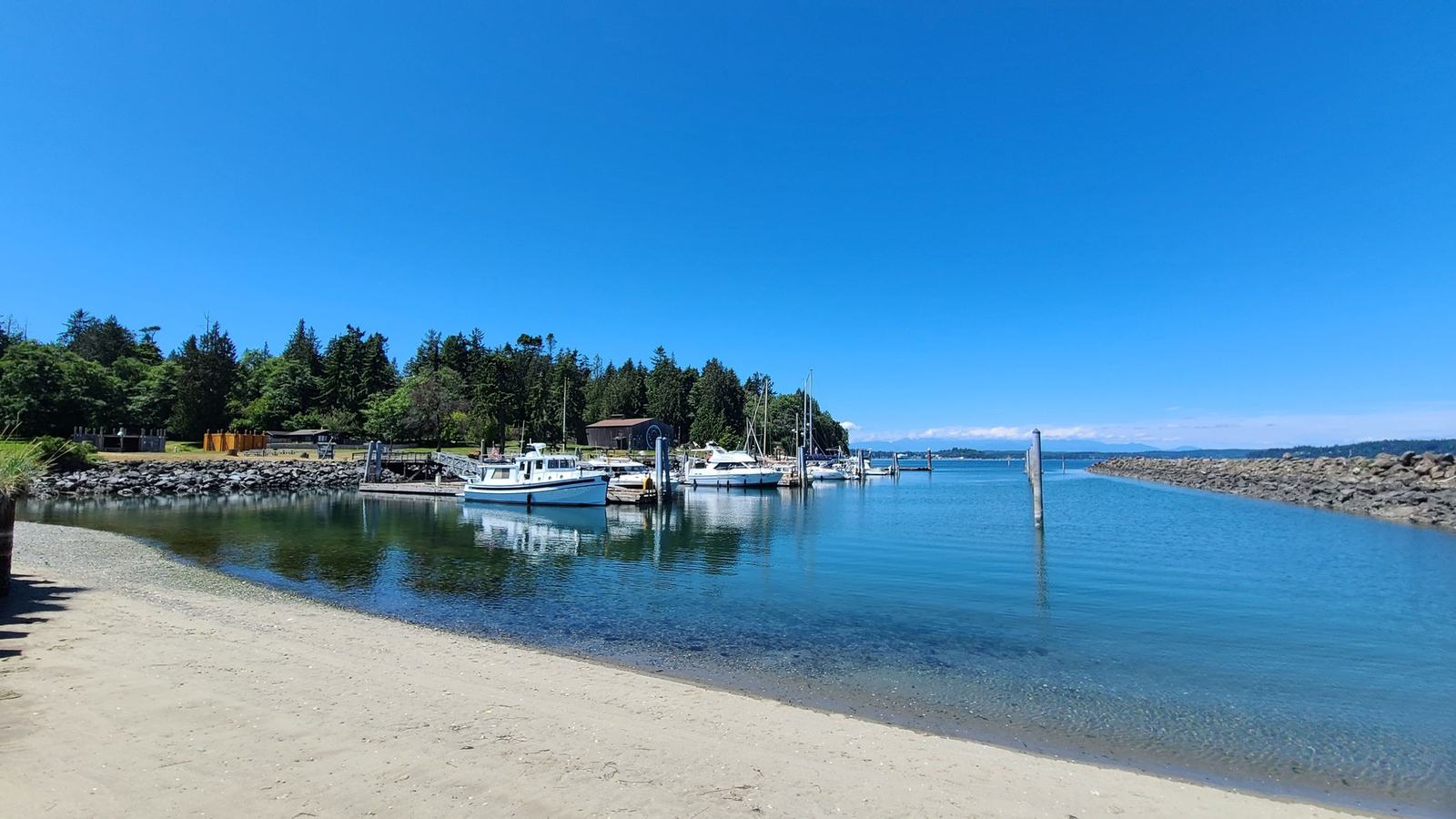
This guide reflects Washington State Parks' published Blake Island visitor information and its 22 October 2026 winterisation alert, checked on 26 October 2026. Details including water availability, pump-out status, moorage prices and burn restrictions may change after publication, so the official notices take priority. The accompanying hero photograph comes from the official state-park gallery and shows Blake Island's marina and waterfront setting.